Music Production
Why feedback makes your psytrance tracks better
Why fresh ears catch what you miss, how to ask for useful feedback, what the dance floor tells DJs and producers, and why giving feedback matters too.
Essays, production know-how and stories from the psychedelic scene.
From Goa pioneers to full-on, progressive, dark psy and psybient: 20 psytrance artists who shaped the sound, where they come from and which releases to start with.
Every psytrance festival in our guide with a confirmed 2027 date, from Universo Paralello in January to Own Spirit in September, plus the ones still waiting for dates.
Universo Paralello in Bahia is the big one, but it is not alone: the psytrance festivals from late November 2026 to early January 2027, with dates, places and packing tips.
Psytrance runs on 4/4, but odd meters can add tension: how to layer odd patterns over a straight kick, vary rhythms and place odd-meter sections in a track.
What producers can take home from a psytrance festival: crowd reactions, a wide range of styles, useful contacts, lessons from established artists and hands-on workshops.

Stuck in an empty project? Field recordings, other genres, your own tools, collaborations and the dance floor are all good places to find new ideas.

Choose a theme, give it a motif and a sound palette, and arrange your track like a story with intro, build-up, peak, breakdown and resolution.
Why producers get stuck, how to spot your own patterns, and practical ways out of a block, from small challenges to new tools and collaboration.
The tools you actually need, how to organise files and templates, and why working in stages gets your psytrance tracks finished faster.
Oscillators, filters, envelopes and LFOs explained for psytrance, plus what to look for in a synth, sound design basics and tips for mixing synths.
How to layer kick, bass, leads, pads and atmospheres in psytrance so every sound has a job, and how to create depth and stereo space without a muddy mix.

Pads, samples, light percussion and automation: how to build a psytrance intro that works for DJs and builds real anticipation before the groove kicks in.

What to record, how to record it, and how to stretch, pitch, filter and process field recordings until they fit into a psytrance track.

Venue, playlist, sound system, atmosphere and guest list: a practical guide to hosting a psytrance listening party at home or in a rented space.
What makes a plugin useful for psytrance, popular synths like Serum, Massive X and Omnisphere, effects for movement and space, and the tools for mixing and mastering.
Four-on-the-floor, rolling bass, triplets and polyrhythms: how psytrance rhythm is built, how it developed and how to make yours stronger.
Know your listeners, build a home base, use social media with a plan, turn listeners into fans, work with labels and promoters and watch the right numbers.
Distributors, platforms, metadata, timing and promotion: what you need to get a psytrance release onto Spotify, Beatport and Bandcamp and in front of listeners.
How to make visuals that follow the music: the psytrance look, colour palettes, motion synced to the beat, and the software VJs and designers use.
Where to find the right partners, how to communicate and split roles, and how to finish, release and promote a joint track in the psytrance scene.
Where the psychedelic side of psytrance comes from, which production techniques create it, and how visuals, setting and the dance floor complete it.
Where to spend and where to save: essential gear, cheap DIY acoustic treatment, free and affordable software, and tips for working in a small room.
How to keep a dense psytrance track clear: choosing and layering sounds, EQ starting points, effects, compression and a clean final master.
How to build tension with layers, filters and motifs, how to set up a build-up, and how to make the drop or breakdown feel like a real release.
Load a classic track into your DAW and work out how it's built: kick and bass, percussion, leads and harmony, arrangement and mix. What to listen for and what to take from it.
Kick and bass, percussion, swing and variation: what makes a psytrance groove roll, and how to build one that keeps a dance floor moving for hours.
What BPM changes in bass, drums, melodies, effects and arrangement, how tempo affects the dance floor, and where progressive, full-on and darker styles usually sit.
What MIDI does, how to choose a controller, and how to use sequences, arpeggiators, automation and virtual instruments in your psytrance tracks.
Which sound lives where in the spectrum, how to keep kick and bass clean, how to tame mids and highs, and which tools help you see and control frequencies.
Groove, percussion, melody, sound design and arrangement: the ingredients the strongest psytrance tracks share, and how to analyze your favorites.
From the beach parties of Goa to Boom, Ozora and Universo Paralello: where psytrance comes from, how its sound evolved and what holds its culture together.
Master the basics, borrow from the subgenres, bring in your own influences: practical steps towards a psytrance sound that is recognizably yours.
Full-on, progressive, dark, forest, twilight and psybient: how the main psytrance styles sound, where they come from and when you hear them at a festival.

Which parameters to automate, how to combine automation lanes with synth modulation, how to use it rhythmically and how to work with it in a live set.
Writing the pattern, choosing the sound, layering and effects, and arranging: how to make arpeggio lines that keep a psytrance track moving.
From TB-303s and hardware studios to DAWs and soft synths: how psytrance production evolved, what stayed at its core and where it might go next.
Which live instruments suit psytrance, how to record and mic them, and how to fit them into a mix built around kick and bass.
Field recordings, hand percussion and vocals: how to record, tune, process and mix organic sounds so they add warmth and texture to a psytrance track.
Modulation, layering, swirling effects and unusual sound sources: practical ways to create textures that keep moving, and how to arrange them.

Spoken samples, chopped phrases and full hooks: what vocals do in a psytrance track and how to layer, process and place them.
Oscillators, envelopes, modulation, effects and arrangement: how to build a psytrance lead that cuts through the mix and sounds like your own.
Structure, tools, melodies and rhythm, mixing and the most common mistakes: the essentials for making better psytrance tracks.

Detuned oscillators, slow envelopes, layering, slow modulation and the right reverb: how to build pads that give your psytrance tracks depth without getting in the way.

Kick, clap, hats and everything in between: how the main percussion elements work in psytrance and how to program, design, arrange and mix them.
From kick and bass to the final limiter: how to balance, EQ, layer and automate a psytrance mix so it stays clean and punchy on a big system.
Reverb, delay, modulation, distortion and automation: what each effect does in a psytrance track and how to use them without muddying the mix.
Layering, snare rolls, risers, filters, harmony and the last bar before the drop: what makes a psytrance build-up work, and how to pace it.
How to choose, shape and layer samples in a psytrance track, from time-stretching and reversing to arrangement, plus what you need to know about clearing samples.
Intro, build-up, drop, breakdown, outro: the building blocks of a psytrance track, how the sections work together and how sound design keeps the groove alive.
Ableton Live, FL Studio, Logic Pro, Bitwig and Cubase compared for psytrance: what each does well, where it falls short, and how to pick the right one.
Kick, bass, bass, bass: how the classic rolling pattern works, which sound to start from, and how to fit kick and bass together so the low end stays clean and punchy.
Why sound design matters so much in psytrance, how kick, bass, leads and atmospheres are built, and which synthesis methods, effects and tools producers use.
The groove, the right software, sound design basics, core techniques, and how to arrange and mix a psytrance track: a compact overview for new producers.

The fourth edition of the Fuertedélica conference in Corralejo, Fuerteventura: keynotes, a young researchers' panel, posters, workshops and a closing celebration.
How compression works and where to use it in a psytrance track: kick and bass, sidechain, percussion, group buses and the master, with practical settings.
Goa trance is the melodic 1990s original, psytrance the faster, bass-driven sound that grew out of it, and trance a separate, chord-led genre from Frankfurt. Here is how to tell them apart.
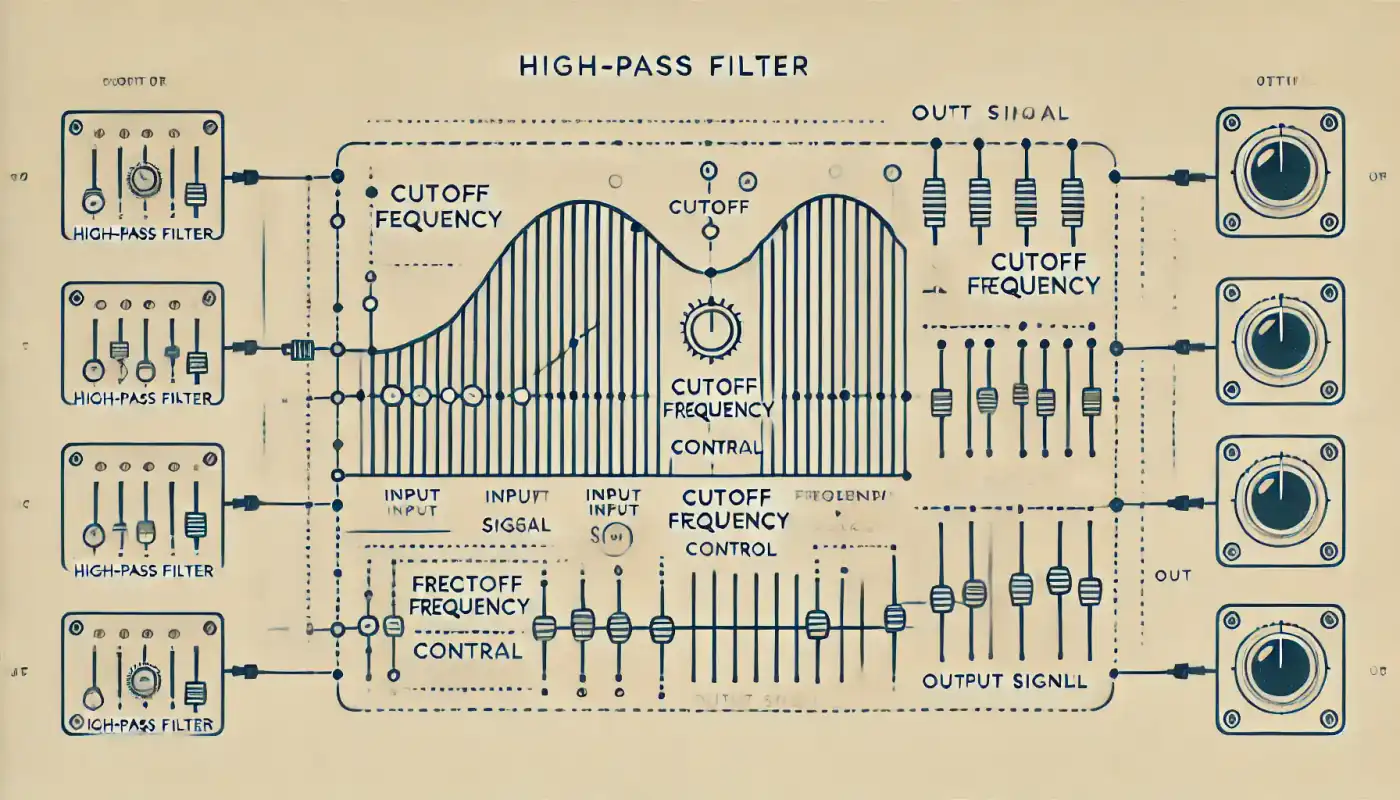
What a high-pass filter does, how it keeps a psytrance mix clean, and how to use cutoff sweeps and modulation for movement and tension, section by section.
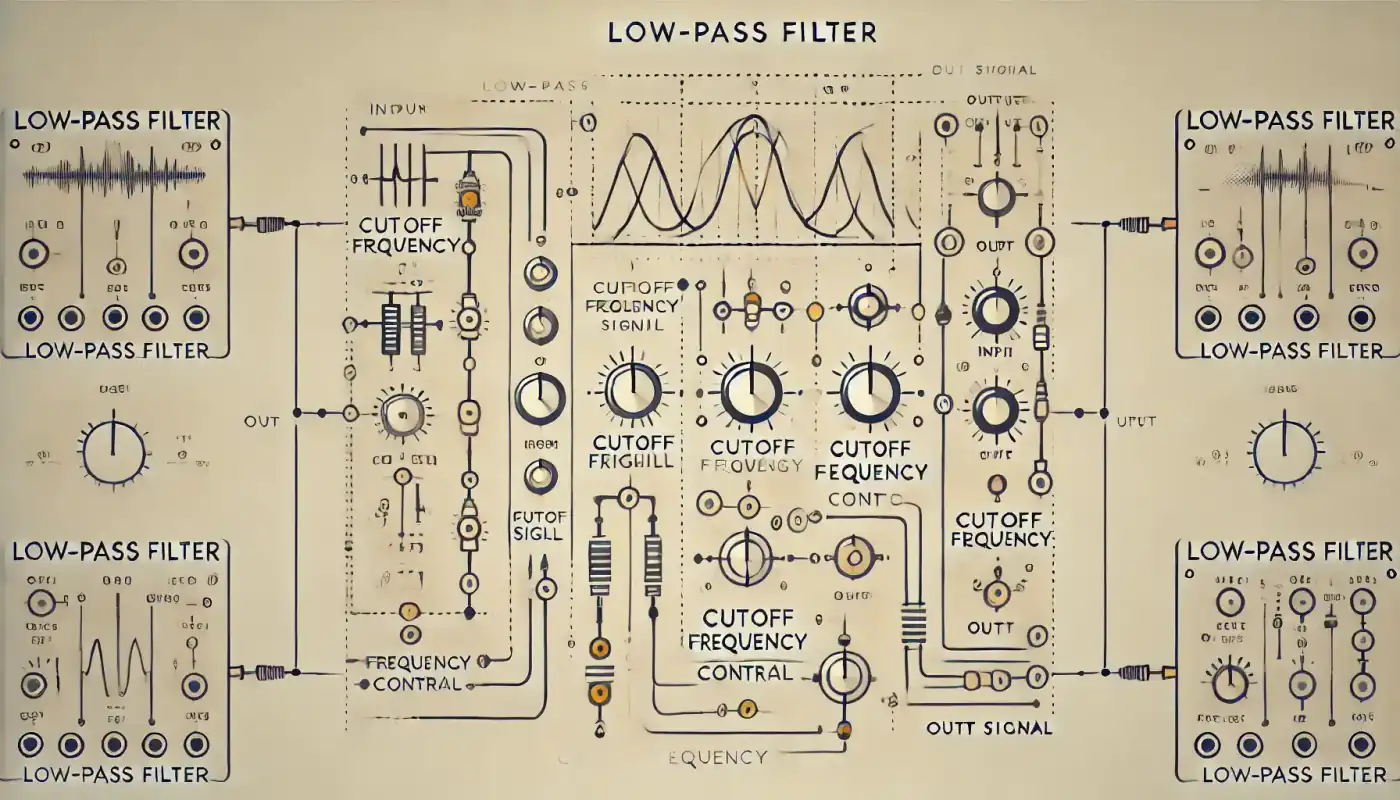
Cutoff, resonance and slope explained, plus how to use the low-pass filter on basses, leads and pads, for movement, in the mix and across a whole track.
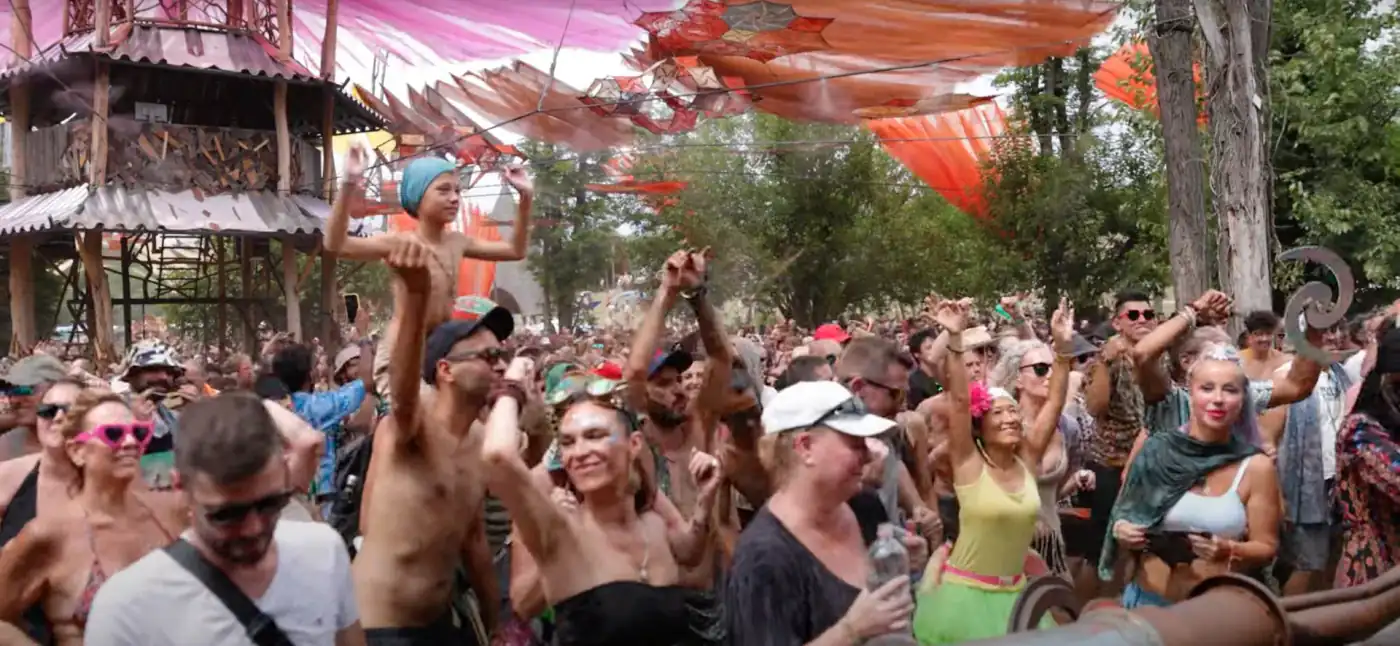
The biggest psytrance festivals in the world, a calendar of confirmed dates for 2026/27 and every festival in our guide by region, with paused and cancelled ones clearly marked.

The trip to Goa after military service, parties in the desert and forest, a strong community and world-famous artists: why Israel became one of the centres of psytrance.
A rave is any all-night party built around electronic music. A psytrance party is a rave with one genre, its own art and culture, and often several days in nature. Here is how they differ.
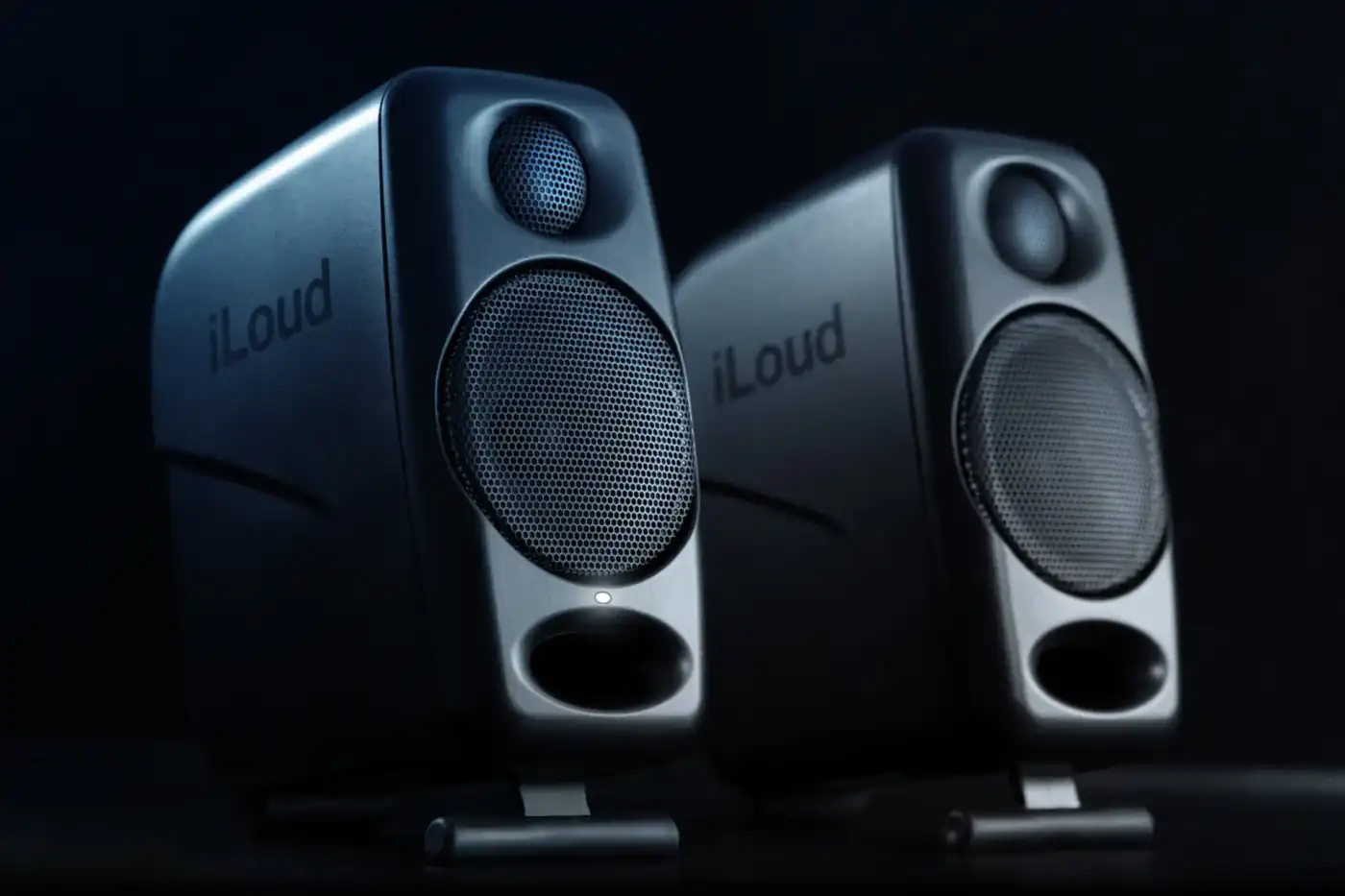
Compact size, 50 W RMS, DSP, Bluetooth and room EQ: what the IK Multimedia iLoud Micro Monitor speakers offer producers working at home or on the road.
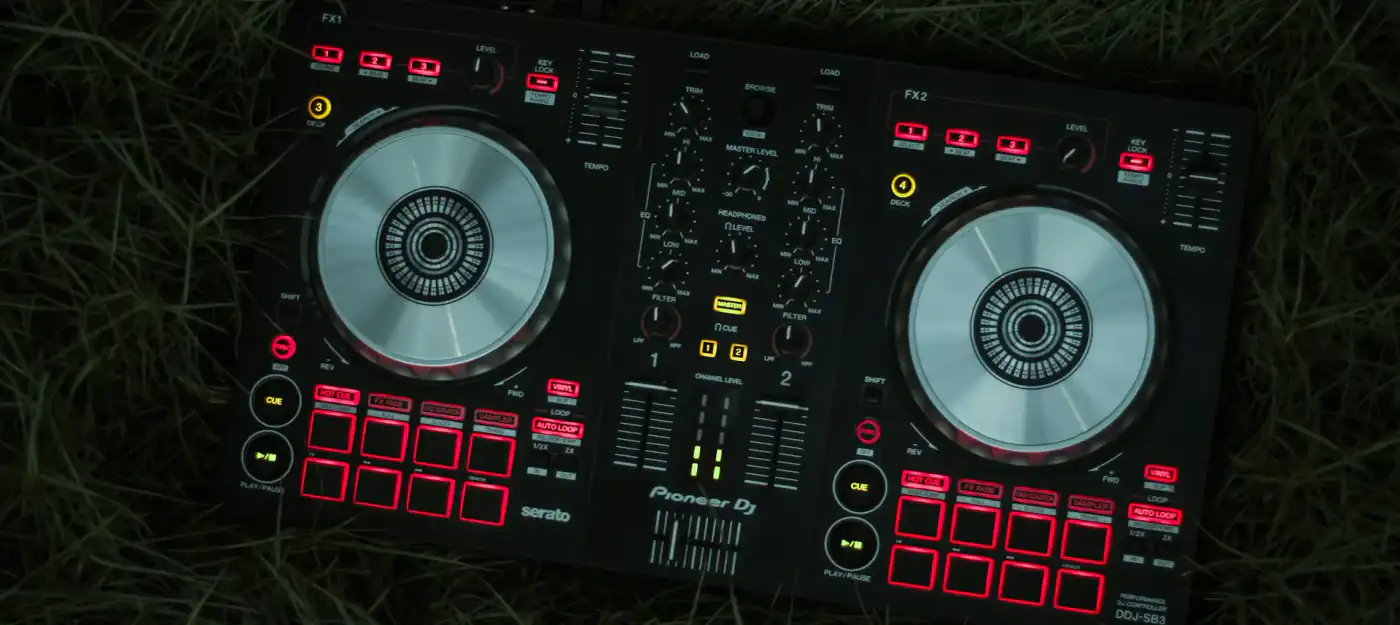
A look at the Pioneer DDJ-SB3: layout, jog wheels, Pad Scratch with DJ Jazzy Jeff, FX Fade, performance pads, Serato integration and connections.
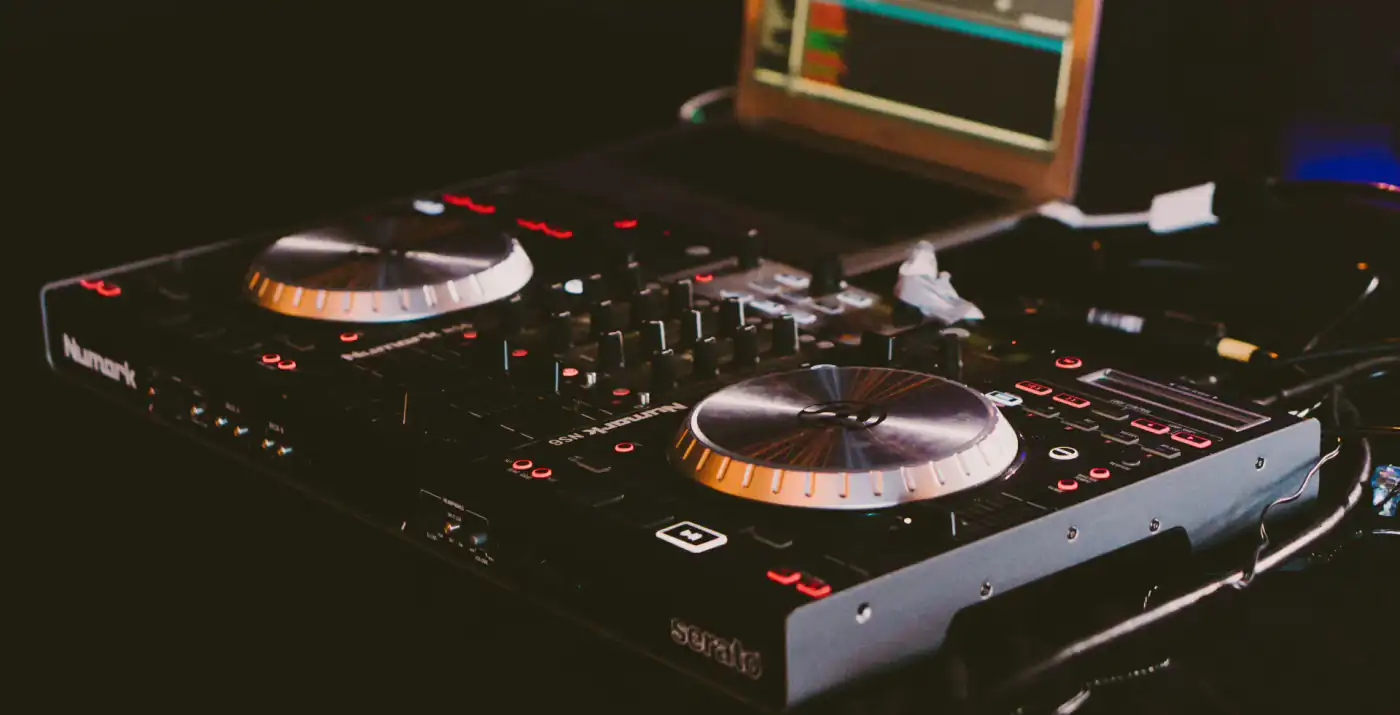
Touch platters, a four-channel mixer, hot cues, Strip Search and Serato DJ integration: what the Numark NS6 offers and how to use it in a set.
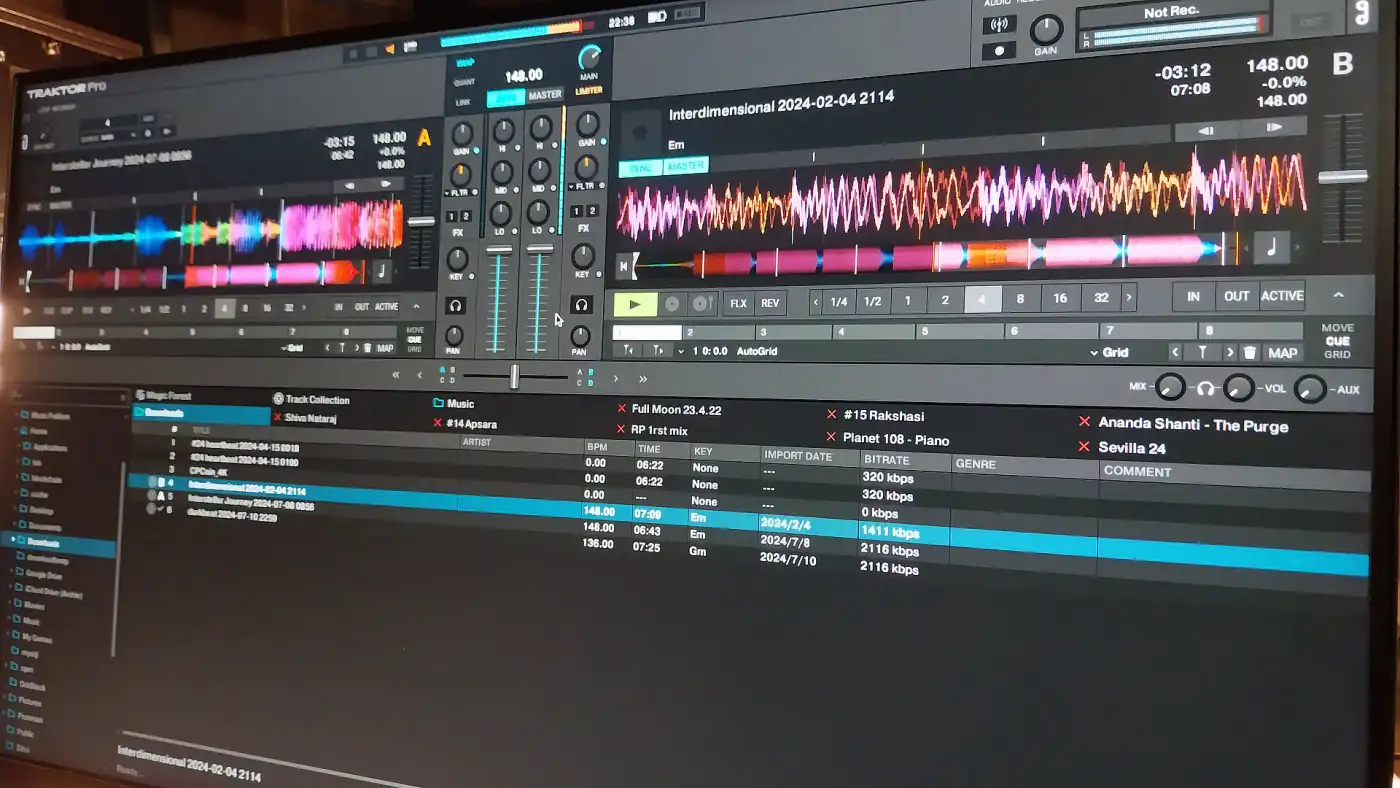
Decks and stem modes, sync and beatgrid, effects, loops, DVS and MIDI mapping: what Native Instruments’ Traktor can do and how its main features work.
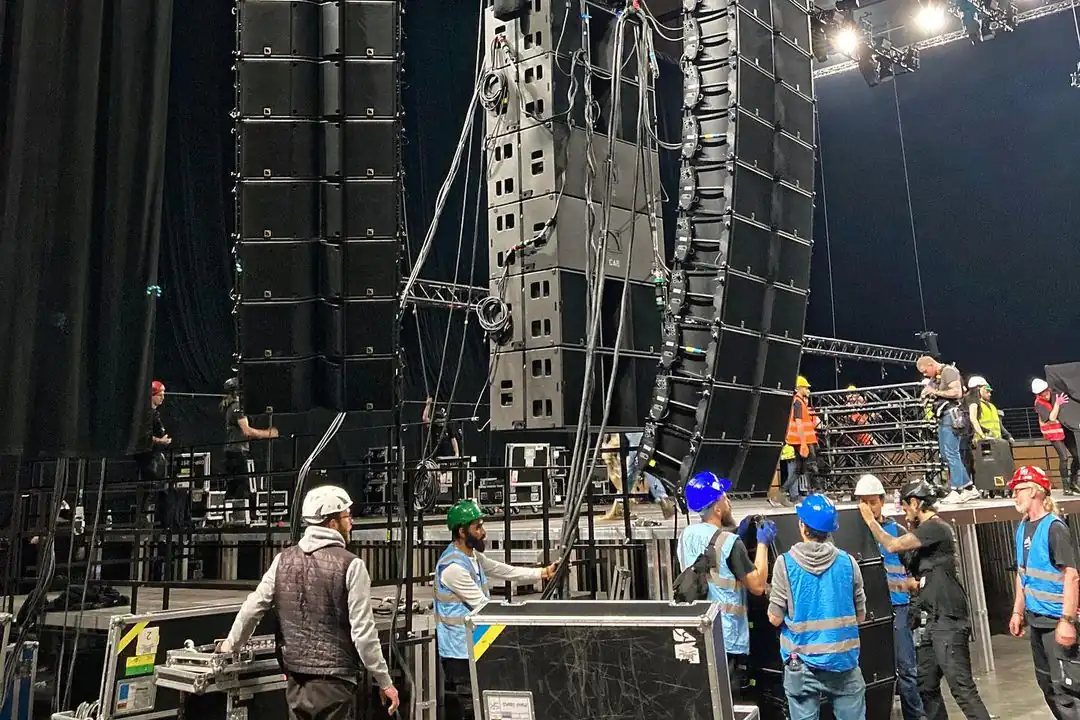
L-Acoustics, d&b audiotechnik, Funktion-One, Meyer Sound and JBL: what each festival sound system brand stands for, what psytrance festivals use, and what makes a rig sound good.
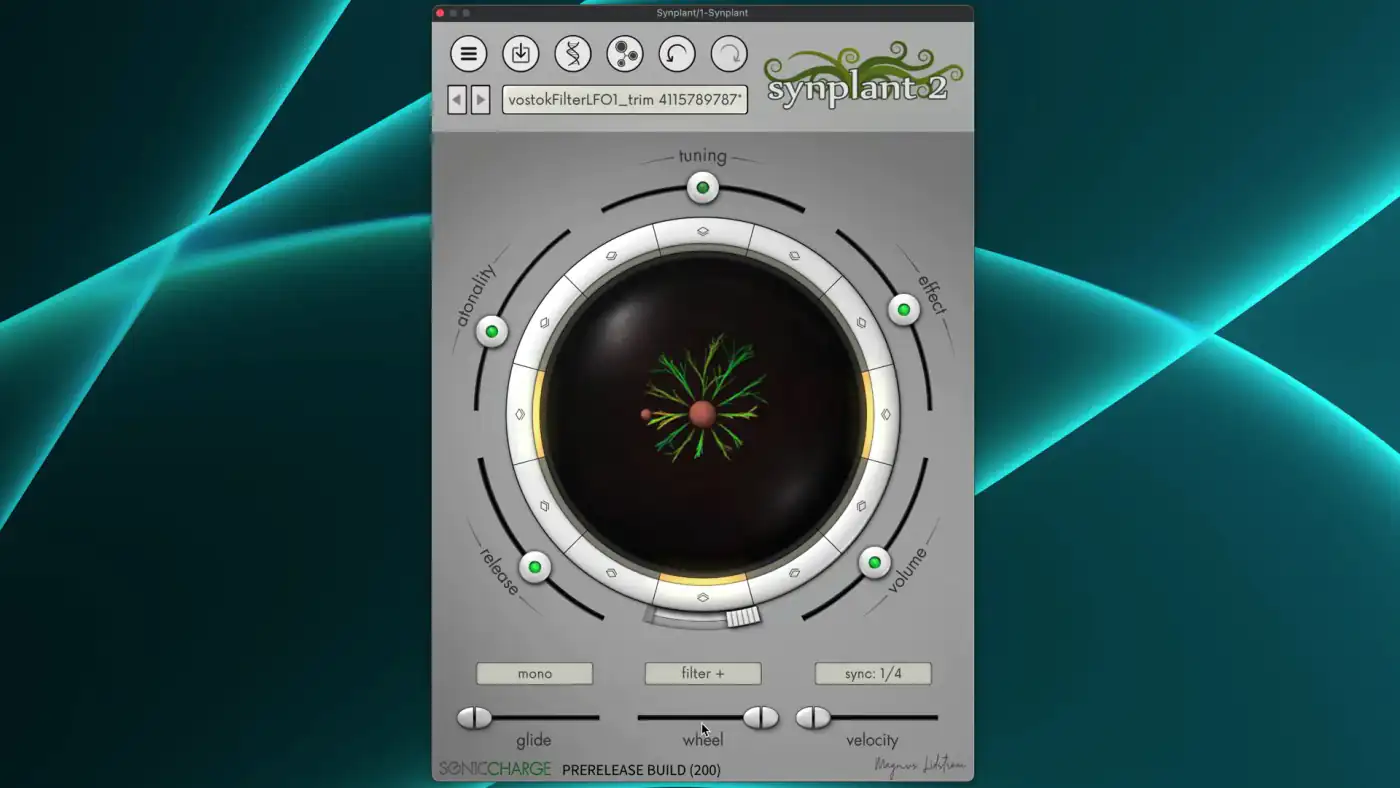
Synplant 2 uses AI to turn recordings into synth patches and lets you grow new sounds from seeds. How it works, what's included and how easy it is to use.
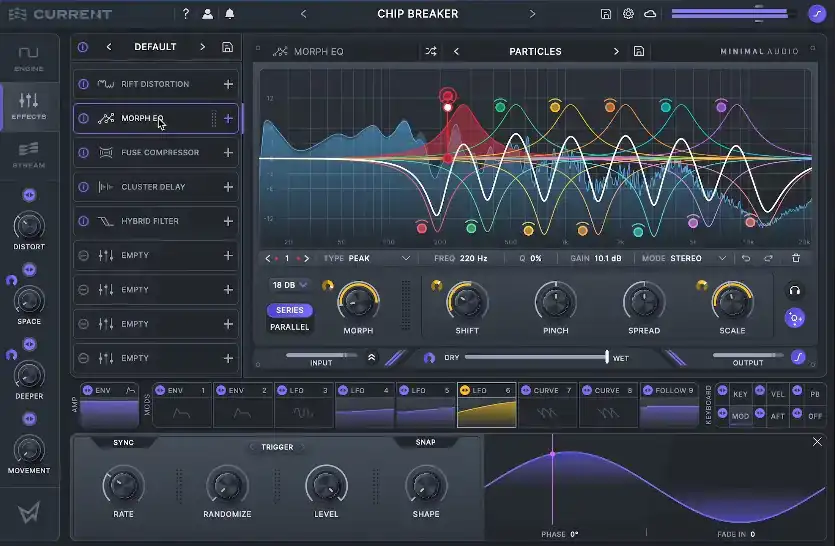
Spectral and granular engines, a sampler, a nine-slot effect rack and the Stream cloud library: what Minimal Audio's first synth Current offers psytrance producers.
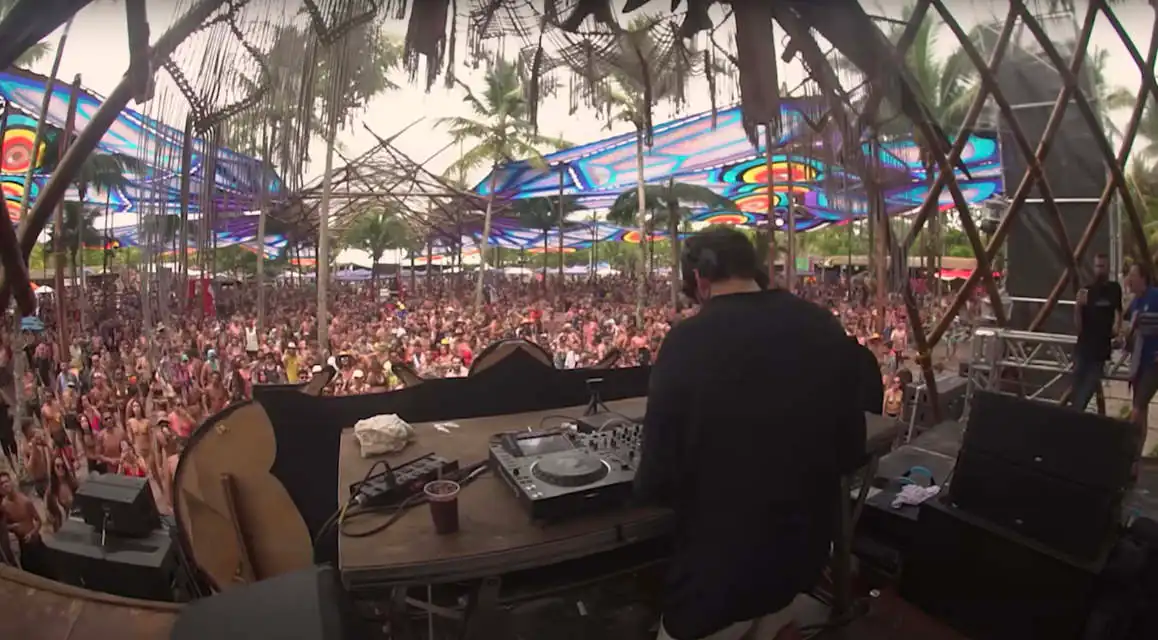
Universo Paralello over New Year, weekend open airs in São Paulo state and Rio: every Brazilian psytrance festival in our guide, with confirmed dates, status and how to get there.
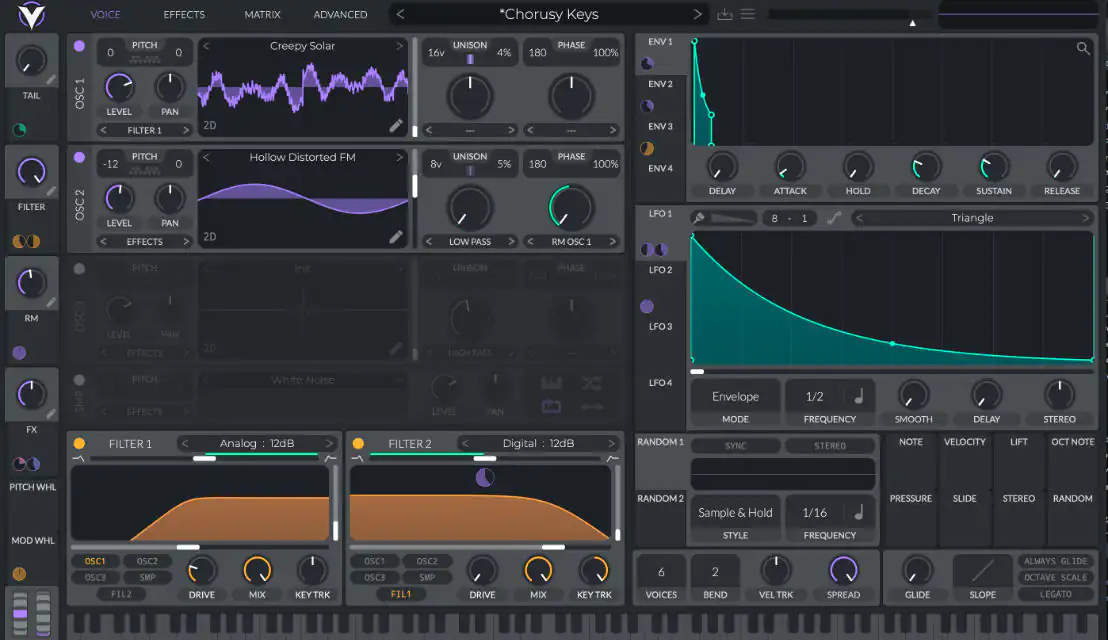
Vital is a free spectral-warping wavetable synth by Matt Tytel that runs on Windows, macOS and Linux. What the free and paid tiers include, how it compares to Serum 2, and how to use it for psytrance.

Zuzanna Sadowska reflects on trance, intuitive dance and letting go, and on how to keep the freedom of the dance floor alive in everyday life.
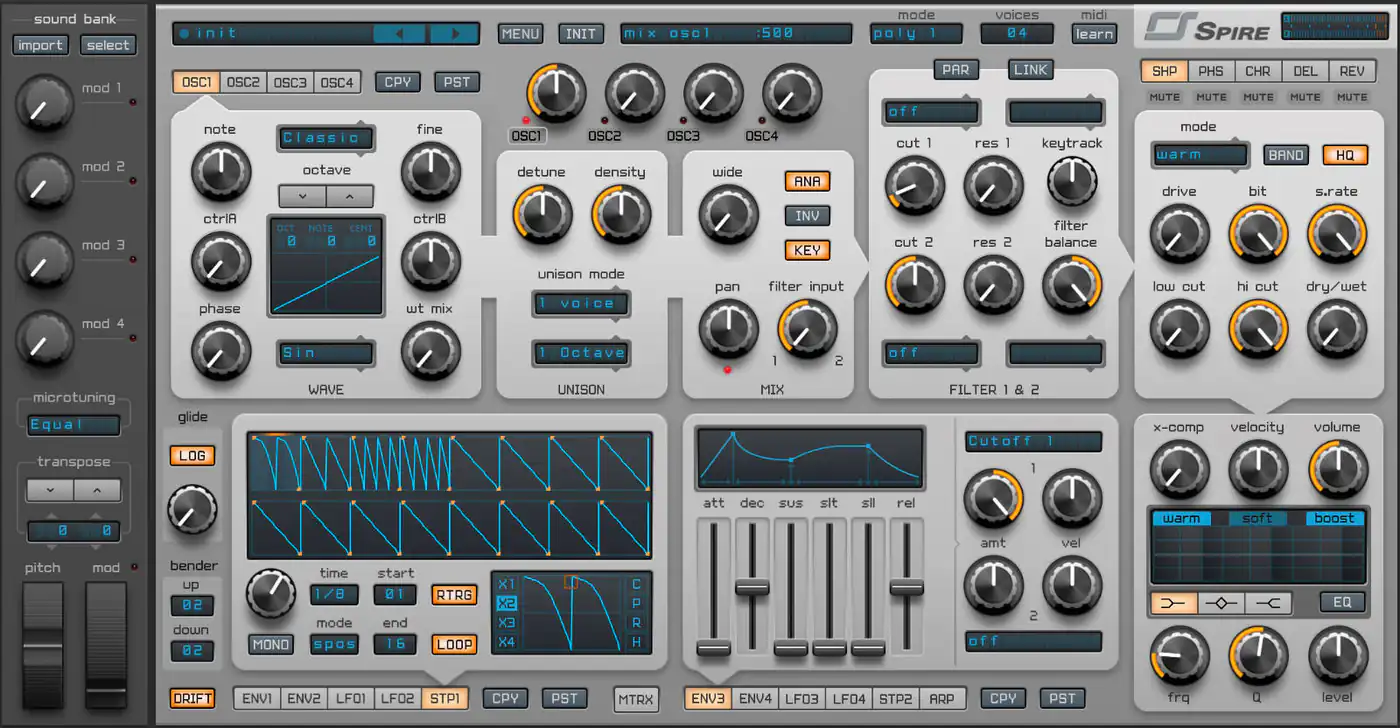
A hands-on review of Spire: four multimode oscillators, wild filters, simple but great-sounding effects and deep modulation, from someone who uses it on most tracks.
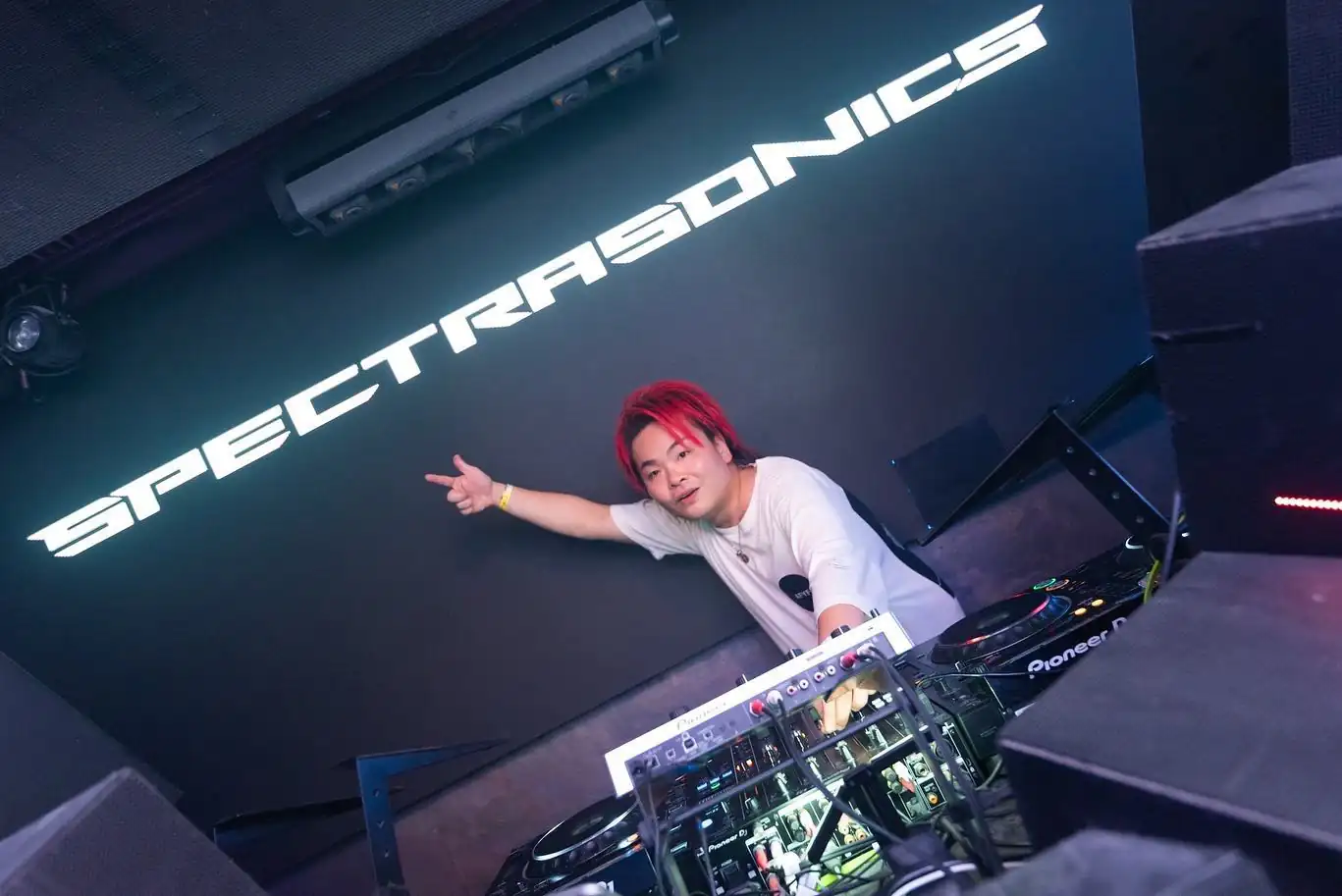
A short portrait of Spectra Sonics, the Japanese psytrance artist who started at Tokyo's underground parties and now plays festivals worldwide.
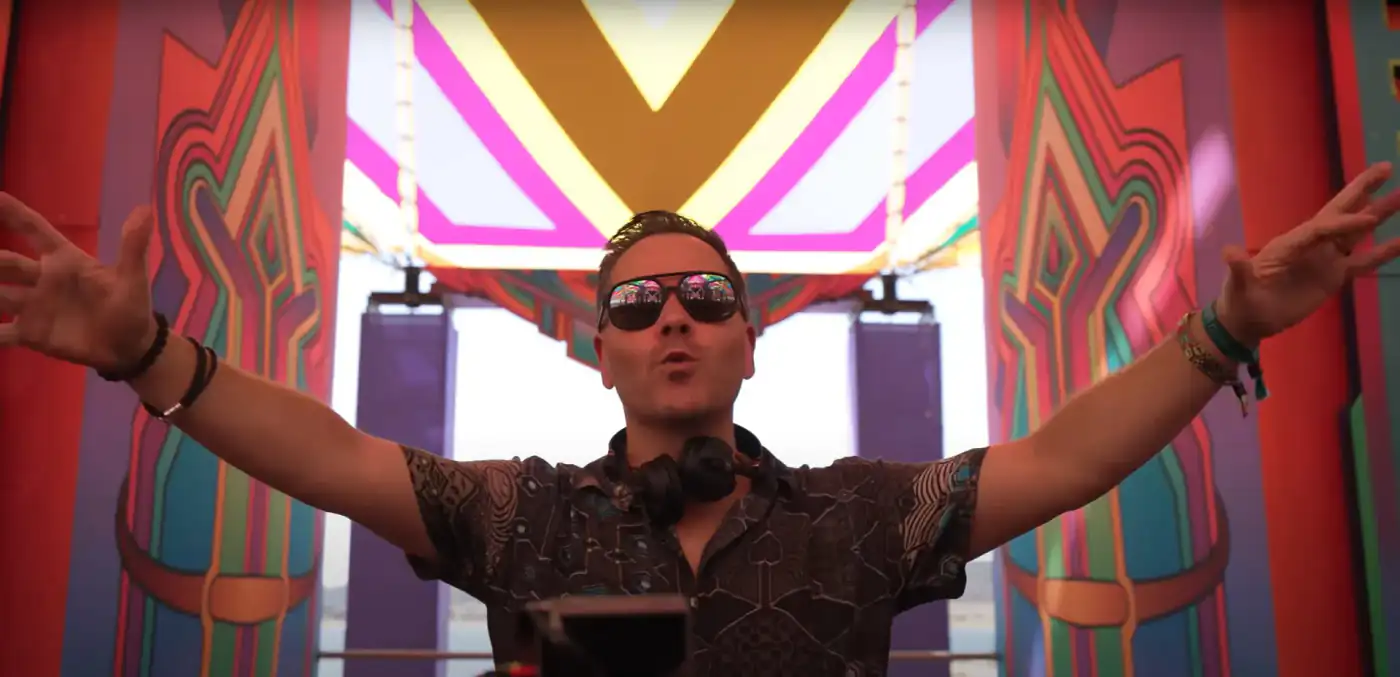
Who is Ace Ventura the DJ? Real name Yoni Oshrat, from Israel: his road from Psysex to progressive psytrance, his labels Iboga and Mutant Disco, projects, key releases and festivals.
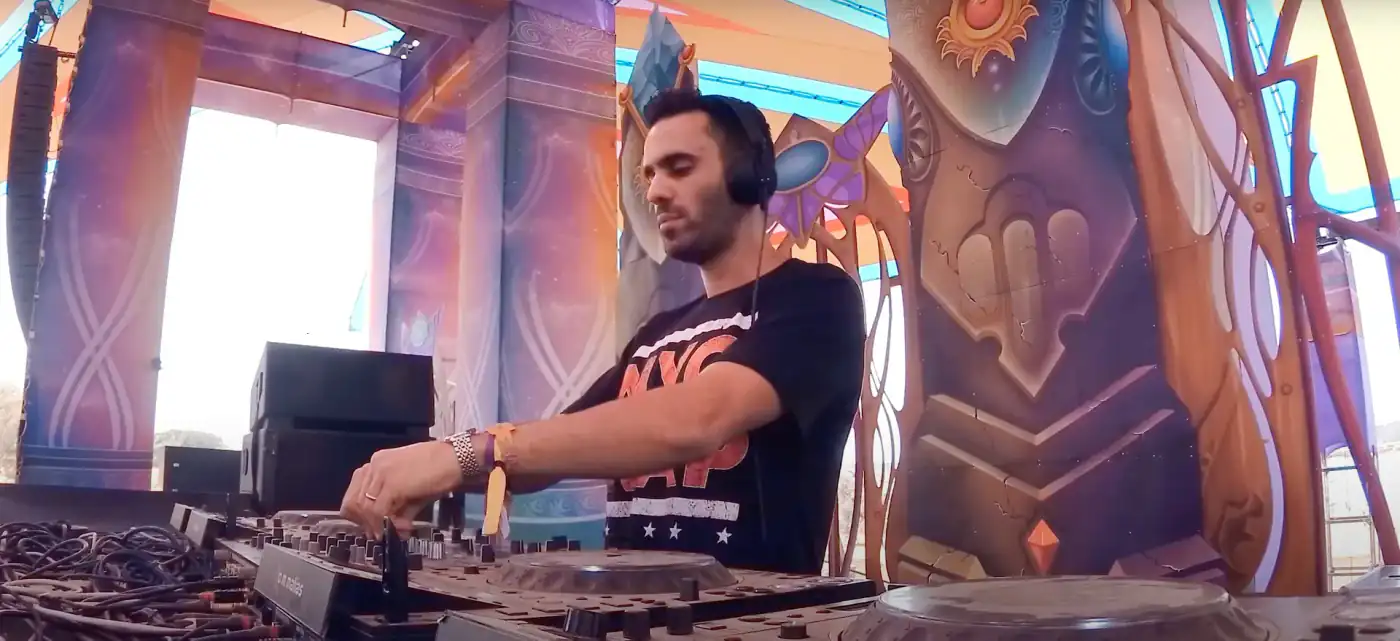
How Adir Sahar went from music fan without formal training to Iboga Records and a Beatport number one with his debut album “A State of Mind”.