- Understanding Synthesizers in Psytrance
- Choosing the Right Synth for Your Sound
- Essential Techniques for Sound Design
- Creating Grooves with Synths
- Tips for Mixing Synths in Psytrance Productions
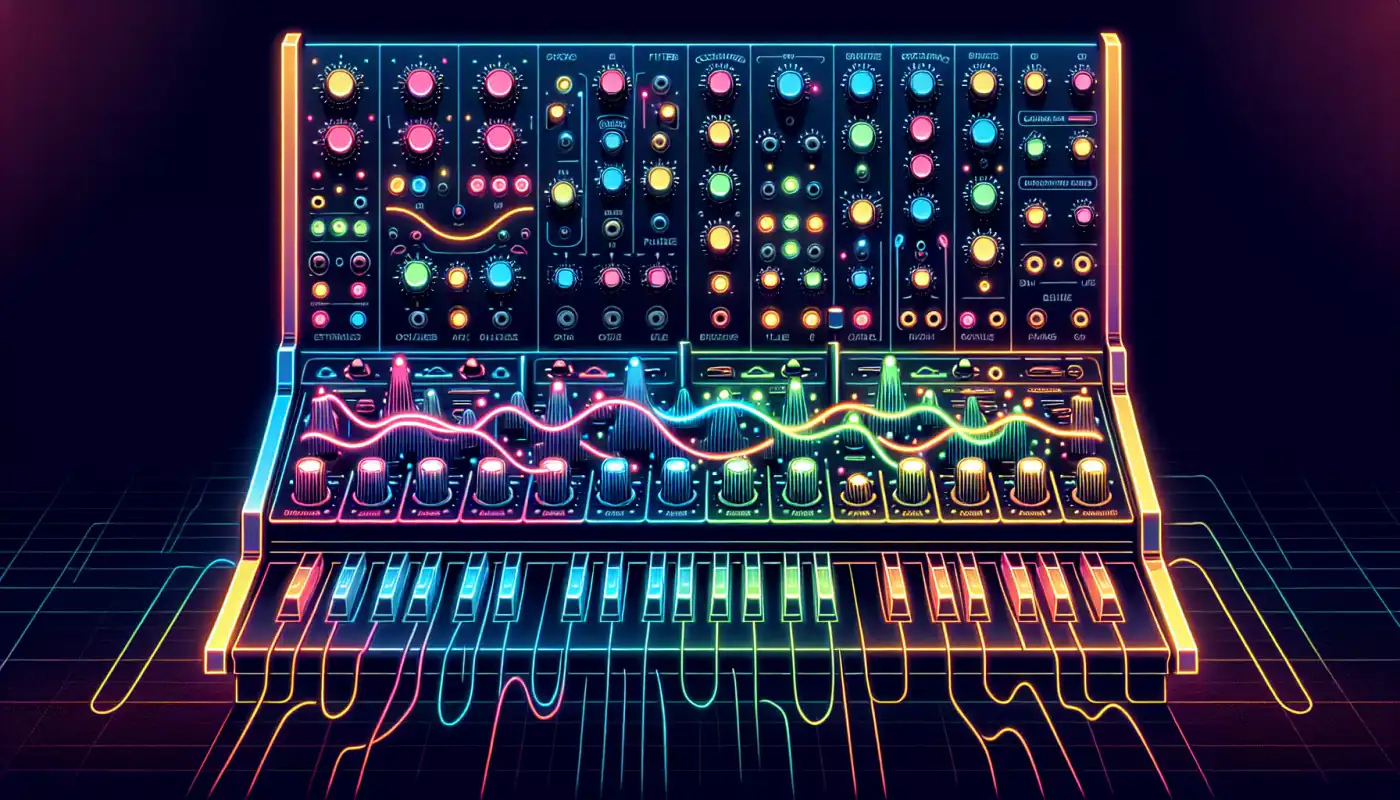
In the realm of psytrance, an understanding of synthesizers is essential for any producer looking to craft immersive soundscapes and entrancing rhythms. Synthesizers serve as the backbone for many elements within psytrance music, enabling the creation of rich textures and dynamic melodies that captivate listeners. At its core, a synthesizer generates sound through various methods, including subtractive, additive, and FM synthesis, each lending a unique character to the final output. To fully appreciate how to leverage these machines effectively, it’s crucial to delve into their fundamental components and functionalities.
The heart of a synthesizer typically lies in its oscillators. These are responsible for generating the initial waveforms that form the basis of any sound. Common waveforms include sine, square, triangle, and sawtooth, each with distinct sonic traits. For example, sawtooth waves are prevalent in psytrance for their rich harmonic content, making them suitable for creating powerful leads and basslines. Producers should experiment with layering different waveforms to create complex sounds, as the interaction between them can yield new tonal colors.
After oscillators, the next significant section is the filter section, which shapes the sound by removing certain frequencies. In psytrance, low-pass filters are particularly useful for eliminating harsh frequencies, allowing a smoother and more engaging sound. Understanding filter resonance can enhance overall sound design, as boosting resonance can create celebratory, sweeping effects that are prevalent in many tracks.
In addition to oscillators and filters, envelopes and LFOs (low-frequency oscillators) play a critical role in the dynamic behavior of sounds. Envelopes control how a sound evolves over time through parameters such as attack, decay, sustain, and release (ADSR). For instance, a slow attack can create a mysterious buildup, which is common in the lead synths of psytrance, leading to an explosive drop. On the other hand, LFOs can modulate parameters like pitch, filter cutoff, or amplitude, adding movement and interest to static sounds.
Another vital aspect of synthesizers in psytrance is the use of effects. Producers often apply effects such as reverb, delay, and chorus to synth sounds to enhance their ambiance and spatial characteristics. Reverb creates a sense of depth and space, essential for the expansive sound often desired in psytrance. Meanwhile, delay can add rhythmic complexity and help blend sounds within the mix. Understanding how to effectively apply these effects while preserving the integrity of the synth sound is key to producing high-quality tracks.
Overall, the use of synthesizers in psytrance music production is a journey of exploration and experimentation. The interplay between oscillators, filters, envelopes, and effects forms the foundation of sound design. By mastering these elements, producers can create unique and captivating sounds that resonate within the psytrance community.
Choosing the Right Synth for Your Sound
When it comes to choosing the right synth for your sound in psytrance, several factors must be considered to ensure that your sonic palette is as rich and engaging as possible. The first consideration is the type of synthesis methodology a synthesizer offers. Knowing whether you prefer subtractive synthesis, which is favored for its versatility in creating lush sounds, or FM synthesis, which excels in generating complex, harmonic textures, informs your decision. Each type of synthesis can shape the character of your music in vastly different ways.
Another vital aspect to consider is the sound engine of the synthesizer. When selecting a synth, pay attention to the number and quality of oscillators. A synth with multiple oscillators can provide a fuller, more dynamic sound. Look for models that allow for layering or unison options, as these can thickly enhance your leads or pads, which are essential in psytrance. Additionally, consider the available waveforms. A diverse selection of waveforms—including saw, square, and noise—allows for greater creativity in tone crafting.
Next, examine the filter capabilities. In psytrance production, filters are not just practical; they are creative tools. Synths that offer multiple filter types, such as low-pass, high-pass, band-pass, and notch filters, can drastically alter how your sounds interact within a mix. Furthermore, filters with resonance controls can generate dramatic sweeps and spikes that add excitement to your music. When testing synthesizers, evaluate how the filters respond to modulations, as this can heavily influence the fluidity and expressiveness of your sounds.
Envelopes and modulation capabilities also play a crucial role in sound design. Look for synthesizers that provide comprehensive envelope controls, as well as those that allow for multi-stage envelopes, which can create intricate dynamic changes. In psytrance, the interaction between sounds is paramount, and having the option to control how various elements evolve over time is invaluable. LFO options should also not be overlooked, as they are essential for creating rhythmic modulations that enhance movement—a core characteristic of the genre.
Moreover, consider the integration of effects. Many synthesizers come with built-in effects that can range from reverb and delay to distortion and compression. While standalone effects can certainly be used in the mixing phase, having quality integrated effects can save time during the creative process and inspire new ideas. If a synth provides a good effects section, it can simplify the workflow and help maintain your creative flow. Ensuring your chosen synth has a robust effects section can lead to a more efficient production process.
Lastly, the user interface should not be underestimated. A synthesizer that is intuitive and user-friendly will allow you to focus on creativity instead of being bogged down by complex navigation. Assess how easy it is to access essential functions and whether presets can be customized effectively. A clear layout can make a significant difference in your overall experience as you dive into sound creation and exploration.
In conclusion, selecting the right synth involves a combination of understanding synthesis methods, evaluating sound engines, analyzing filter capabilities, and considering modulation options and effects. A careful selection process will lead you to a synthesizer that not only enhances your psytrance productions but also inspires creativity and innovation within your music.
Essential Techniques for Sound Design
In psytrance, mastering sound design requires a deep understanding of various techniques that allow producers to create rich, textured sounds that resonate with audiences on the dance floor. One of the fundamental techniques in sound design is layering. By combining multiple sounds, you can produce a fuller and more complex texture. Start by selecting a primary sound that defines your part, such as a lead or bass. Then, layer it with complementary sounds—these could be subtle pads or additional leads that fill out the frequency spectrum without overwhelming the main sound. Pay attention to the frequency ranges of each layer; making use of EQ can help ensure your layers fit seamlessly within the mix while still standing out.
Another critical technique is to manipulate modulation. Using modulation sources like LFOs and envelopes on various parameters—such as modulation of pitch, filter cutoff, or effects—can infuse your sounds with movement and life. For instance, applying a slow LFO to the filter cutoff of your pad can create a sweeping effect that evolves over time, adding depth. Similarly, using envelopes to control the attack phase of a sound can help create more dynamic entries or transitions, an essential aspect of maintaining listener engagement throughout a track.
Exploring different tuning methods is also crucial for sound design in psytrance. Experiment with microtonal scales and unconventional tunings that can evoke unique emotional responses from listeners. Utilizing features within your synth that allow you to shift pitches and create harmonies can lead to original sounds that stand apart in a crowded genre.
The use of effects should not be overlooked. In particular, reverb and delay are valuable tools for creating the spacious, ethereal soundscapes typical of psytrance. When applying reverb, adjust the decay time and pre-delay settings thoughtfully; longer decay times create a lush atmosphere, while shorter ones can keep the sound focused. Delay can be used creatively for rhythmic accents, adding layers to your leads or creating immersive backgrounds by delaying sections of pads. Try playing with the feedback settings to create cascading sound effects that evolve throughout your track.
Finally, it is essential to develop your own unique signature sound through experimentation. Don’t shy away from creating presets from scratch; start with a basic wave, and add modulation, effects, and additional layers to create something totally your own. It’s this personal touch that makes tracks memorable and captivating in the psytrance scene. Remember, sound design is both an art and a science, and the more you practice and explore these essential techniques, the more refined your productions will become.
Creating Grooves with Synths

Creating compelling grooves in psytrance is an intricate blend of rhythm, sound selection, and arrangement, allowing producers to craft an infectious drive that keeps listeners engaged on the dance floor. To begin, focus on establishing a powerful bassline, as this element forms the foundation of your groove. When designing a bass sound, utilize a synth with solid low-end capabilities. Start with a fundamental waveform, such as a sawtooth or square, and apply a low-pass filter to tame any harshness. This approach enhances the warmth and “sub” nature of your bass. It’s crucial to adjust the filter cutoff and resonance while programming the bassline to create a dynamic, evolving sound that adapts to the groove throughout the track.
As you develop the bassline, rhythm becomes paramount. Aim for a rhythm that complements the existing kick and snare patterns. In psytrance, the kick typically occurs on every beat, while the snare hits on the second and fourth beats. To construct a driving bassline, consider using a technique called “sidechain compression,” where the bass sound is ducked in volume in response to the kick drum. This not only creates a pulsing effect that enhances the groove but also helps maintain clarity and separation in your mix. Pay close attention to the timing of your bass notes, utilizing triplets or syncopated rhythms to add further complexity and hypnotic elements to your sound.
Beyond the bass, synth leads play a critical role in creating engaging grooves. As you design a lead sound, focus on factors such as attack and release to ensure it complements the existing rhythm. A lead with a quick attack can punctuate the groove effectively, cutting through the mix while a longer release allows for smooth transitions. Experiment with modulation to add depth; for instance, applying an LFO modulation to the pitch or filter cutoff creates motion, which keeps the groove lively. Layering additional synth leads can further enrich your sonic landscape, allowing you to create a thicker texture that envelops the listener.
You can also incorporate percussive elements to enhance the groove. Consider using synths to generate rhythmic percussion sounds, such as claps, hi-hats, or custom drum hits. When programming percussive elements, be mindful of their placement within the mix; accents on the off-beats can create tension and drive, which is essential in psytrance tracks. Adjust the micro-timing of your drum hits to create groove pockets—this ensures the rhythm feels organic and engaging. Additionally, experimentation with swing settings can impart a laid-back feel that complements the overall rhythm of your track.
As a final touch, utilize effects such as reverb and delay on your synths and percussive elements to create space and depth in your groove. Use reverb sparingly to avoid muddying the mix, and focus on shorter decay times for percussion to maintain clarity. For synth leads, longer reverb can create atmospheric layers without sacrificing presence. Delay can add rhythmic accents and create interesting phasing effects, further pulling the listener into your groove. Adjust your feedback settings to find the perfect balance that enhances the groove without overwhelming it.
Ultimately, crafting grooves in psytrance is a sonic journey that balances rhythm, sound design, and arrangement. Experiment with different techniques and keep refining your process, as an effective groove can propel your productions to new heights, keeping the dance floor alive with energy and excitement.
Tips for Mixing Synths in Psytrance Productions
Mixing synths in psytrance productions is an art that requires careful attention to detail, balance, and the interplay between elements within the track. The key objective during this phase is to achieve clarity and cohesion, ensuring that each sound contributes to the overall sonic landscape without clashing or causing frequency buildup.
Start by organizing your project efficiently. Group similar sounds together, such as leads, basses, and pads. This allows for easier management during the mixing process and ensures that you can make global adjustments more effectively. By working within specific groups, you can apply bus processing techniques to enhance the combined sounds of these elements without altering each synth’s individual character.
When working with synths, pay careful attention to the frequency spectrum. Utilize EQ to carve out spaces for each sound. For instance, since the bass occupies the low-end, make sure it has a clear space by cutting unneeded low frequencies from leads and pads. This prevents muddiness and enables the bass to punch through the mix. High-pass filters can be particularly useful for pads and leads to ensure that they don’t encroach upon the bass frequencies. Use subtractive EQ techniques to remove problematic frequencies, focusing on areas that may cause resonance or clash between sounds.
Next, consider the panning of your synths. A wide stereo image can be crafted by strategically placing elements across the left and right channels. For instance, you might pan a lead synth slightly to the right while placing arpeggiated layers slightly to the left. This creates a spacious feel, drawing the listener into the track. However, it’s important to maintain a mono-compatible mix, especially in the low-end, as the bass should generally be centered to maintain power and coherence.
Dynamic processing, especially compression, plays an essential role in mixing synths. Use compression to control the dynamics of individual synth sounds, ensuring that no single element overpowers the mix. For basslines, moderate sidechain compression can create that signature pumping effect by ducking the bass when the kick hits. Adjust the threshold and ratio settings to how aggressive you want this effect to be—this will vary depending on the energy and style of your track. Leads and pads can also benefit from gentle compression to smooth out their transient peaks, allowing them to sit more comfortably in the mix.
Incorporating spatial effects such as reverb and delay can enhance the dimension of your synths. When applying reverb, choose a type and size that complements the sound; larger spaces may work well for atmospheric pads, while shorter reverb times might be more suitable for leads that require definition. Reverb can help synths blend into the mix and create a sense of space, but use it sparingly to avoid washing out your sounds. Delays can add rhythmic interest; try using syncopated delay times for synths playing off the beat, creating a cascading effect that enriches the groove.
Finally, don’t forget to revisit your mix regularly. As you make adjustments, listen to your track from a distance. Sometimes, what sounds clear up close may lose definition when heard in a more general context. Taking breaks and returning with fresh ears can reveal areas of conflict or imbalance you may have missed. Regularly reference your mix against professional psytrance tracks to gauge how your synths compare in terms of volume, tone, and spatial placement.
By applying these mixing principles, you can create a polished sound that captures the essence of psytrance, where each synth and sound design choice plays a crucial role in transporting the audience into a vibrant auditory experience.