- Psychedelic Influence on Psytrance Music
- Historical Roots of Psytrance
- Characteristics of Psytrance Soundscapes
- The Role of Visuals and Environment
- Psychological Effects of Psytrance on Listeners
The psychedelic influence on psytrance music is profound, shaping its distinct sound and cultural significance. At the core of this genre is the desire to create an immersive, transcendent experience that often mimics the perceptual alterations associated with psychedelic experiences. Producers utilize a variety of techniques to encapsulate this essence within their tracks. One essential aspect is the use of modulation. By manipulating parameters over time, producers create evolving sounds that can transport listeners through a sonic landscape, mirroring the dynamic nature of a psychedelic journey.
Another crucial element is the layering of synthesized sounds. Psytrance often incorporates multiple layers of synths, which may include everything from soaring leads to intricate arpeggios. These layers interact to generate rich textures that captivate the listener. Producers frequently employ delay and reverb effects, adding depth and spaciousness to the sounds. The resulting atmosphere can evoke emotions, memories, or visions characteristic of a psychedelic experience.
Rhythm and tempo also play pivotal roles in this genre. Psytrance typically operates around a steady, fast tempo ranging from 140 to 150 BPM. This driving beat enhances the sense of movement, encouraging listeners to experience a state of flow. Additionally, the use of polyrhythms—where different rhythmic patterns coexist—adds complexity and further engages the listener’s sense of timing, integral to the psychedelic experience.
Furthermore, samples from various sources, including nature sounds or spoken word excerpts, are often woven into the arrangements. These can evoke a sense of connection to the universe, a theme recurrent in psychedelic culture. By integrating such elements, producers not only enhance the auditory experience but also guide listeners into a deeper psychological state, fostering an environment ripe for introspection and exploration.
When crafting a psytrance track, it’s crucial to consider the overarching narrative. A well-structured song can guide listeners from tension build-up to release, simulating the emotional arcs found in psychedelic journeys. Transitioning smoothly between sections while maintaining thematic continuity allows the producer to take listeners on an unforgettable sonic adventure. Techniques such as filter sweeps and build-ups can skillfully enhance these shifts, maintaining engagement and anticipation throughout the track.
As practitioners dive into the production of their music, understanding the nuances of psychedelic influence can profoundly affect their end product. By aligning sound design, rhythm, sampling, and compositional structure with the principles inherent in psychedelia, they can create pieces that resonate deeply with listeners, evoking the intended emotional and psychological responses that define psytrance.
Historical Roots of Psytrance
The history of psytrance music is rooted in a confluence of various musical styles, cultural movements, and technological innovations that reflect the broader psychedelic experience. Emerging in the late 1980s and early 1990s, it can be traced back to the rave culture that swept across Europe, particularly in locations such as Goa, India. DJs and producers in Goa began experimenting with electronic music, melding elements of acid house, dub, and traditional Indian music to create hypnotic soundscapes designed to elevate the listener’s consciousness.
Central to the development of psytrance was the influence of psychedelic rock and the counterculture movement of the 1960s. Artists like Pink Floyd and The Grateful Dead laid a foundation of sonic exploration, with sprawling instrumental sections intended to transport audiences to various emotional and cognitive states. These acts inspired a new generation of electronic musicians who sought to replicate such experiences through technology, expanding upon earlier concepts of musical expression.
By the time psytrance began to formalize as a distinct genre, innovations in music production technology significantly impacted its sound. The advent of digital audio workstations (DAWs) and powerful synthesizers enabled producers to experiment with sound design in ways that had previously been impossible. Instruments such as the Roland TB-303 bass synthesizer and the Access Virus became staples of the genre, allowing artists to craft the signature distorted and rolling basslines that are hallmarks of psytrance. The distinctive kick drum pattern, often referred to as the “four-on-the-floor” beat, further solidified psytrance’s rhythmic identity, drawing tens of thousands to dance floors worldwide.
Thematically, early psytrance drew heavily from spiritual and mystical motifs, capturing a sense of oneness with the universe. Drawn from a rich tapestry of Eastern philosophies and teachings, this influence became a defining characteristic of the genre. Tracks would often feature samples of mantras or chants, promoting a sense of connection to something greater than oneself. This melding of music and spirituality has kept the essence of the genre alive, fostering a community that values not just the music, but the shared experiences it creates.
Throughout the years, various sub-genres have also emerged, such as full-on and dark psytrance, which broadened the scope and appeal of the genre. Each sub-genre carries its unique historical influence and sound, reflecting the diverse cultural inputs of its creators. For instance, dark psytrance, which emerged in the late 1990s, incorporates elements of horror and surrealism, often reflective of the psychedelic experiences that tread into darker territories.
The evolution of psytrance continues today, closely tied to technological advancements and shifts in social dynamics. With the rise of digital distribution platforms, artists now have unprecedented access to global audiences, enabling new sounds and ideas to permeate the scene at a rapid pace. Contemporary psytrance is a dynamic blend of traditional elements and innovative approaches, ensuring that the genre not only pays homage to its origins but also continuously transforms within the ever-changing landscape of music production. This depth of interchange makes understanding its historical roots essential for any artist looking to contribute meaningfully to the genre.
Characteristics of Psytrance Soundscapes
In order to grasp the characteristics of psytrance soundscapes, one must delve into several key components that define the sonic experience. At the heart of psytrance is the use of basslines that are both prominent and intricate. Typically, these basslines are characterized by a rolling, pulsating quality that creates a hypnotic effect, drawing the listener into a trance-like state. Producers often utilize techniques such as sidechain compression to achieve the signature “pumping” feel, where the bassline’s volume dips in response to the kick drum, giving a rhythmic push that enhances the danceability of the track.
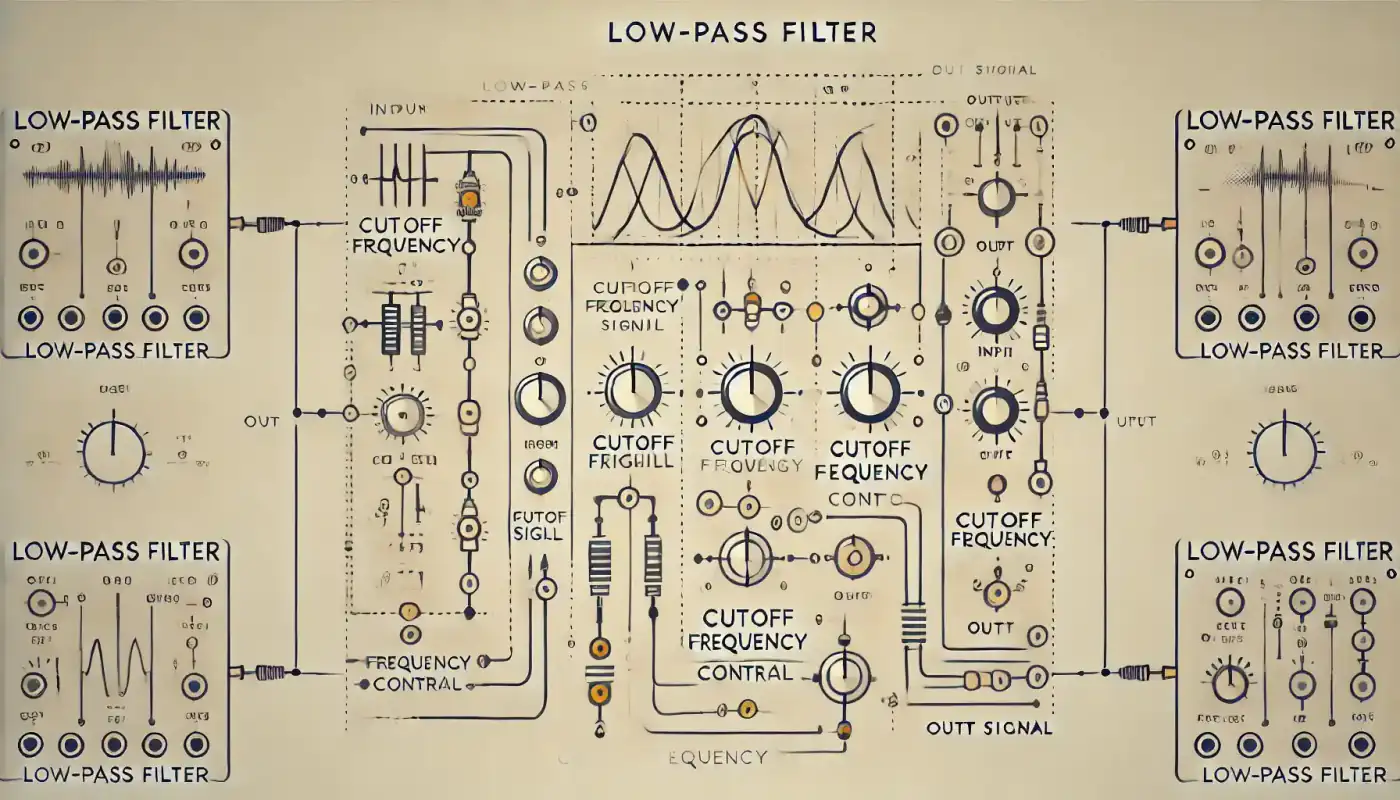
Additionally, synthesizers play a vital role in constructing the complex soundscapes typical of psytrance. Many producers favor virtual analog synths for their ability to create lush, evolving pads and sharp lead sounds that can glide and morph throughout a track. Modulation is essential here; by employing techniques like lfo modulation (low-frequency oscillation) on cutoff filters, producers can make sounds that dynamically rise and fall, capturing the attention of the listener. Furthermore, the use of FM synthesis can unearth unique timbres that enrich the auditory palette, making each track a multifaceted journey.
Sound design in psytrance is deeply immersive, frequently incorporating a range of effects to enrich the listening experience. Reverb and delay are extensively used to create depth and spatiality within tracks. Long, sweeping reverbs can evoke vastness, akin to being in nature or a large venue, enhancing the psychedelic element by creating a sense of space that listeners can get lost in. Similarly, echoes can make particular sounds linger and resonate, creating an interplay that engages the listener’s auditory perception.
Another fundamental feature of psytrance soundscapes is the incorporation of ethnic and world music samples. Often, these samples include vocal snippets, traditional instruments, or environmental sounds that connect listeners to a more universal consciousness. The integration of such elements not only deepens the psychedelic experience but also fosters a sense of shared culture and spiritual exploration. For instance, the use of chants or mantras can serve as potent reminders of the genre’s roots in spirituality, further blending the auditory with the transcendent.
Structurally, psytrance tracks often utilize a methodical approach, where the arrangement of sections plays a critical role in maintaining the listener’s engagement throughout an extended duration. A typical track might unfold through an introduction, build-up, climax, and resolution, with each segment carefully crafted to induce specific emotional peaks and valleys. Smooth transitions, facilitated by techniques such as filter sweeps, can amplify tension before a drop, making the release feel euphoric and cathartic, reminiscent of the peaks found in psychedelic experiences.
Moreover, the interplay of polyrhythms within the percussion adds another layer of complexity to the sound. Producers frequently layer various drum patterns to create an intricate rhythmic tapestry. This approach encourages the body to move in multiple ways, enhancing the overall sense of euphoria on the dance floor. The consistent, driving beat coupled with these layered rhythms makes the music immensely powerful, further enhancing the psychological effects it has on listeners.
Engaging in the production of psytrance involves a deep understanding of how each of these elements can work together to create a cohesive and mesmerizing soundscape. Producers must pay careful attention to not only the technical aspects of sound design but also the emotional journeys they wish to convey through their music. By doing so, they tap into the core of what makes psytrance such a unique and transformative experience, ensuring that their creations resonate with the psychedelic nature of the genre.
The Role of Visuals and Environment

In the realm of psytrance, the role of visuals and environment cannot be overstated; they are integral to shaping the overall experience for the listener. As psytrance diffuses through the air, the visual elements work symbiotically with the sound to heighten the levels of immersion and emotional response. When creating an experience, producers and event organizers must consider how light, colors, and art can influence the perceptions and sensations of the audience. The psychedelic imagery often utilized—characterized by swirling patterns, vibrant colors, and surreal landscapes—mirrors the auditory complexity found within the music itself. These visuals can enhance the music, allowing for a holistic journey where sight and sound intertwine, evoking feelings of bliss and wonder.
Many events feature dynamic light shows that pulse and shift with the beat of the music, reinforcing the rhythmic elements of the tracks. LED screens, laser displays, and projections can create an ambiance that envelops the audience, pulling them deeper into the psychedelic experience. For instance, a well-timed burst of light can coincide with a significant drop in a track, amplifying the euphoria felt on the dance floor. The continuous movement and transformation of these visuals shape the emotional landscape, helping to guide listeners through an array of feelings—from introspection and connection to exhilaration and liberation.
The environment in which psytrance is experienced also plays a vital role in shaping the listener’s perceptions. Outdoor festivals, often held in natural settings, provide an unmatched backdrop that enhances the transcendental qualities of the music. The sounds of nature—wind rustling through trees, water flowing in nearby streams—can subtly mingle with the basslines, creating a deep connection between the sonic and natural worlds. This synergy fosters an ethereal atmosphere that resonates with the psychedelic undertones of the genre. Such environments offer participants the feeling of being part of something larger than themselves, reinforcing themes of unity and global consciousness.
Similarly, indoor venues designed with specific aesthetics can amplify the intended vibe of psytrance. Decorated with intricate tapestries, mandalas, and two-dimensional art infused with psychedelic motifs, these spaces can alter the audience’s sensory experiences. The visual elements serve to create an atmosphere that aligns perfectly with the essence of the music. When the venue is designed with careful attention to detail, including the arrangement of space and interaction with sound systems, it can lead to an exhilarating multi-sensory journey.
Beyond sight, the use of architecture and layout can also impact how the music is absorbed. Spaces that encourage free movement and congregation promote communal experiences, while quieter corners allow for introspection and individual connection to the music. The spatial dynamics of a venue can be manipulated to create varying levels of intimacy or expansiveness, playing a significant role in how the audience engages with the psytrance music delivery.
Furthermore, the psychological effects of visuals in conjunction with the sound must be acknowledged. Studies indicate that engaging multiple senses can bolster emotional responses, leading to deeper levels of enjoyment and connection to the music. As individuals gaze upon visuals synchronized with pulsating rhythms, they may find themselves transported to states of consciousness that reflect heightened levels of awareness. This connection created through the environment fortifies the essence of what psytrance seeks to accomplish—a transcendent experience where participants engage not only with the music but also with themselves and one another.
Ultimately, understanding the crucial interplay between visuals, environment, and psytrance music production is essential for any artist or organizer within the scene. By designing experiences that harmonize these elements, they can facilitate a transformative journey for all involved, contributing to the broader cultural narrative of the psychedelic realm.
Psychological Effects of Psytrance on Listeners
The psychological effects of psytrance on listeners can be both profound and multifaceted, often replicating the transformative aspects of psychedelic experiences. One of the primary outcomes of immersing oneself in a psytrance environment is the enhancement of emotional states, driven largely by the music’s intricate design and hypnotic rhythms. The fast, pulsating beats coupled with evolving soundscapes can induce a trance-like state, facilitating a deep introspective journey. Listeners may find themselves experiencing shifts in consciousness, resulting in heightened awareness, emotional release, and a sense of connection with the collective energy of the crowd.
This phenomenon occurs due to a combination of factors inherent in the music. The steady, driving tempo of typical psytrance tracks can synchronize with the listener’s heartbeat, creating a physiological response that promotes both relaxation and exhilaration. This syncopation can often lead to a form of flow state, where individuals lose their sense of time and self, becoming wholly absorbed in the musical experience. Throughout this process, the brain’s production of various neurochemicals, such as dopamine and serotonin, can lead to feelings of euphoria, joy, and an enhanced sense of well-being. Engaging with such music can catalyze an emotional catharsis, where suppressed feelings surface, allowing for healing and personal growth.
Moreover, the intricate layering and modulation characteristic of psytrance can also stimulate cognitive engagement. The depth and complexity of the sound design encourage active listening, prompting mental stimulation that mirrors the exploratory nature of psychedelic experiences. As listeners journey through the track’s dynamic ebb and flow, they may encounter moments of clarity and insight, leading to newfound understanding about themselves and their surroundings. This cognitive exploration is akin to what many seek during psychedelic experiences, where shifts in perspective can foster creativity and open-mindedness.
In addition to individual effects, the communal aspect of psytrance gatherings plays a significant role in the psychological landscape of the genre. The collective experience, amplified by the shared vibrations of the music, fosters a sense of unity among participants. When people gather to dance and celebrate the realms of consciousness together, it can evoke feelings of love, empathy, and interconnectedness. This connection is often further enhanced by the visuals and environment surrounding the experience, creating an immersive atmosphere where individuals feel supported in their emotional expressions. The synergy between sound and social interaction fosters an environment ripe for transformative moments, leading both to personal revelations and a sense of belonging within a larger community.
The integration of visuals during these experiences has profound psychological implications as well. As previously mentioned, the captivating lights and artistic displays complement the auditory experience, intensifying emotional engagement. When visuals sync with the pulsing beats of the music, it creates a multi-layered sensory experience that engages the mind and spirit. The combination of rhythmic sound and stimulating imagery can facilitate a psychological release, lifting participants to a heightened emotional plane, allowing them to confront and process their innermost feelings.
Furthermore, the themes often explored within psytrance music—such as bliss, nature, and spiritual connection—can resonate deeply with listeners, opening pathways to personal meditation and contemplative thought. As individuals engage with the music, they may find themselves reflecting on life choices and interpersonal relationships, leading to meaningful insights about their personal journeys. This engagement with the music and its psychological effects underscores the fundamental goal of psytrance: to transport listeners not only to distant soundscapes but also to profound states of personal understanding.
In essence, understanding the psychological effects of psytrance involves recognizing the intricate interplay between the sound, the environment, and the listener’s mind. By creating an atmosphere that encourages exploration and transformation, producers can craft experiences that resonate deeply with the core of humanity, providing a platform for personal evolution and enlightened connection. The richness of this experience underscores why psytrance remains a powerful force in the world of electronic music, serving as both a celebratory festival and a profound emotional journey.