
Music Production
How to market your psytrance tracks
Know your listeners, build a home base online, use social media with a plan, network in the scene and learn from your numbers: a practical guide to getting your tracks heard.
Where to spend and where to save: essential gear, cheap DIY acoustic treatment, free and affordable software, and tips for working in a small room.
You don't need an expensive studio to make psytrance that holds up on a big sound system. What you need is a few well-chosen pieces of gear, a room that doesn't lie to you, and software you know inside out. Here is where to spend your money and where to save it.
An untreated room colours what you hear, and you end up mixing the room instead of the track. Set up your desk symmetrically between the side walls, so both speakers interact with the room in the same way.
DIY absorber panels made from rock wool or fibreglass insulation wrapped in fabric cost a fraction of commercial ones and work well on mids and highs. Put them at the first reflection points: sit in your mixing position and have a friend slide a mirror along the side walls. Wherever you see a speaker in the mirror, a panel goes there.
Low frequencies collect in the corners, and in psytrance the low end is everything. Thick insulation stacked in the corners makes simple bass traps. Ready-made traps cost more but save time.
Don't forget ceiling and floor. A rug or carpet on a hard floor and absorbent material on a low ceiling help, especially in small rooms. Sofas, curtains and other soft furniture also absorb reflections, and in a pinch heavy curtains, blankets or quilts around the mixing position are better than nothing.
When you are done, play psytrance tracks you know well and listen critically. Move or add panels until the room sounds balanced.
Pick a DAW that suits your workflow. Ableton Live, FL Studio and Reaper are all popular, and Reaper has a generous trial and a low-cost license. Learn the built-in synths and effects first: they cover far more than most beginners think.
Then add a few well-chosen extras:
Producer forums and communities are good places to hear about free tools, and YouTube has countless tutorials on psytrance sound design, arrangement and mixing.
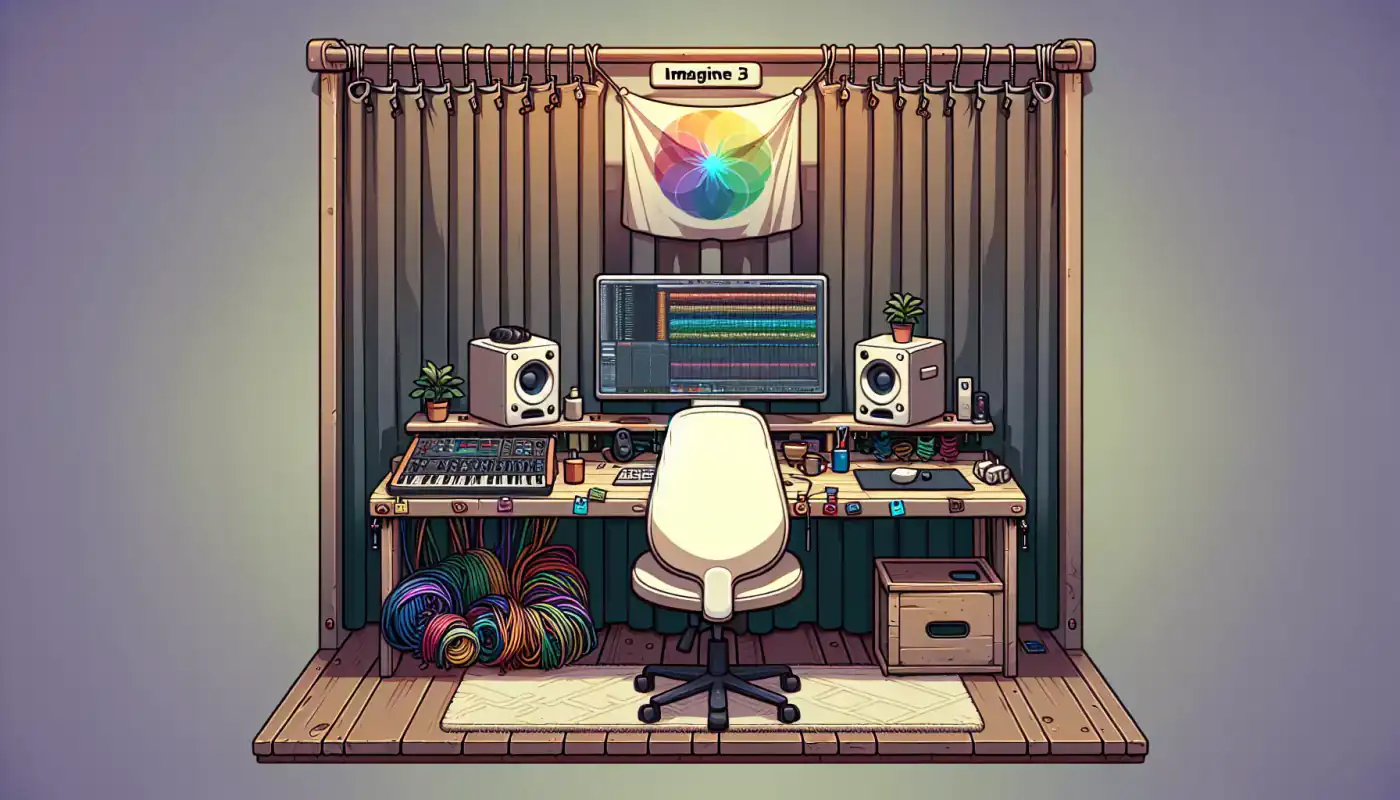
An existing desk or table is fine as a workstation, as long as screen and keyboard sit at comfortable heights for long sessions. Velcro ties and cable clips keep the cables tidy, and a tidy studio is one you actually want to work in.
If you have some outboard gear, a DIY patch bay built from connectors from an electronics store and some basic soldering keeps your connections organised and makes it easy to try different signal paths. Affordable synth kits that you assemble yourself are a fun way to learn how synthesis works, and circuit bending can produce unusual, distorted sounds.
Your phone or tablet can serve as a sketchpad. Apps such as FL Studio Mobile or Caustic 3 let you capture ideas on the go and finish them later in the studio.
Keep everything you use often within arm's reach. Wall shelves free up desk space for gear or a whiteboard for ideas, and a folding table makes room when collaborators come over. A few personal touches like artwork or plants, or a mood board with visual and sound references, make the space your own.
Some habits help too:
Know your listeners, build a home base online, use social media with a plan, network in the scene and learn from your numbers: a practical guide to getting your tracks heard.
Distributors, platforms, metadata, timing and promotion: what you need to get a psytrance release onto Spotify, Beatport and Bandcamp and in front of listeners.

How to make visuals that follow the music: the psytrance look, colour palettes, motion synced to the beat, and the software VJs and designers use.