- The significance of rhythm in psytrance music
- Characteristics of psytrance rhythm patterns
- Evolution of rhythm in psytrance history
- Impact of rhythm on listener experience
- Techniques for enhancing rhythmic elements in production
In the realm of psytrance music, rhythm serves as the foundational backbone, crafting an immersive experience that resonates deeply with listeners. The distinctive pulse of this genre is not merely a sequence of beats; instead, it forms an intricate framework that guides the entire composition. Understanding the significance of rhythm involves more than recognizing its patterns; it entails appreciating how it drives the emotional and physical responses of the audience, encouraging movement and fostering a sense of community on the dance floor.
The typical psytrance track often features a steady and unrelenting kick drum, usually positioned on every fourth beat, creating what is referred to as a ‘4/4 time signature.’ This relentless pulse invites listeners to become part of a rhythmic cycle that can lead to hypnotic states, which are essential characteristics of the genre. The organic nature of rhythm in psytrance is further enhanced by the use of syncopation, where off-beat percussive elements such as hi-hats and snares interrupt the predictable flow, creating tension and release. This rhythmic complexity is crucial, as it keeps the audience engaged and moving, effectively bridging the gap between the physical and the metaphysical experience.
Moreover, rhythm in psytrance can be manipulated through the layering of various percussive sounds, each contributing unique textures and dynamics to the overall soundscape. Consider the inclusion of tribal drums, shakers, and even unconventional elements like field recordings from nature or urban environments. These components not only enrich the rhythmic fabric but also evoke specific imagery and emotions, ultimately enhancing the listener’s connection to the music.
The role of rhythm extends into the arrangement of the track. Building momentum through gradual intensity by introducing and removing elements is a technique often employed by producers. This ebb and flow can have profound effects on how audiences experience the music in a live setting. For instance, during climactic moments, the buildup of rhythmic elements can culminate in a peak that promotes collective euphoria, leading to dance floor catharsis. Conversely, breakdowns can provide respite, allowing listeners to process the experience before being drawn back into the cycle of rhythm.
Finally, the incorporation of varying tempos within a single track can provide listeners with a sense of journey. While traditional psytrance often hovers around 140 BPM, producers may use fluctuations to guide the energy levels throughout the set. For example, starting with a lower BPM before pushing into faster, more frenetic rhythms can gradually escalate the excitement and anticipation, fostering a deeper connection between the performer and the audience.
Characteristics of psytrance rhythm patterns
In the world of psytrance, rhythm patterns are characterized by their distinct structural qualities and agile rhythmic interplay that set them apart from other electronic genres. The bedrock of these patterns lies in a consistent gravitational force provided by the kick drum, typically producing a pronounced attack on every quarter note, thus maintaining the genre’s hallmark ‘4/4’ time signature. This kick drum, often synthesized with a punchy attack and a deep sub-bass presence, creates a stable foundation that encourages dancers to lose themselves in the music. This predictability in the main beat is crucial as it allows other elements to weave around it without losing cohesion.
Layers of percussive sounds embellish the core kick, introducing a rich tapestry of rhythmic elements that enhance the complexity of psytrance. Common features include rapid hi-hats, rolling snares, and complex tribal drums that punctuate the structure. It’s typical to find syncopation utilized effectively in these grooves, where off-beat hi-hats can create unexpected accents that pull listeners into a hypnotic state. For instance, employing a closed hi-hat that plays on the off-beats alongside an open hi-hat on the downbeats creates a dynamic push-and-pull sensation that is vital for maintaining energy throughout the track.
Moreover, the incorporation of layered percussive elements is not merely about adding sound but also about creating a nuanced overall rhythm that can evoke various emotional responses. For example, the use of lighter percussion, such as shakers or tambourines, layered over heavier kick-drum patterns can elevate the mood, encapsulating the ecstatic and euphoric experiences that define psytrance. Additionally, the deliberate placement of claps or snaps in rhythmic patterns can meet the expectations of the audience while simultaneously providing breathers in the flow of the music, essential for maintaining listeners’ engagement during lengthy sets.
Producers often play with the tempo and dynamics of these rhythmic patterns to enhance their tracks. For instance, while a standard tempo for psytrance is around 140 BPM, creative adjustments can lead to variations that spark surprise and excitement. Slowing down sections temporarily or accelerating rhythmic figures during climaxes can heighten anticipation and influence the energy on the dance floor. This timing manipulation serves as a tool for storytelling through rhythm, allowing artists to control the pacing and emotional journey throughout a performance.
One notable characteristic within psytrance rhythms is the practice of triplet patterns, which introduce a swirling, fluid quality to otherwise rigid structures. These triplet rhythms can overlay the main four-on-the-floor beat, creating intricate, interlocking layers that invite listeners to immerse themselves deeper into the music. This interplay not only enriches the sonic landscape but also heightens the visceral dance experience, allowing the audience to feel a different kind of time stretching and contracting within the rhythmic flow.
Additionally, polyrhythmic techniques can be employed to further enhance the complexity of the rhythm. By introducing multiple independent rhythms that overlap and interact, producers create a tapestry of sound that resonates with the hypnotic nature of psytrance. These patterns can vary in density and complexity, allowing producers to manipulate listener perception and engagement, thereby driving the energy of a live performance through the peaks and valleys of the rhythmic journey.
Evolution of rhythm in psytrance history
The evolution of rhythm in psytrance music reflects a dynamic interplay of cultural influences, technological advancements, and artistic experimentation. Originating in the late 1980s and early 1990s, psytrance emerged from the global electronic music scene, predominantly influenced by the psychedelic culture of that era, particularly the Goa trance movement in India. Early tracks featured simple, repetitive rhythms that centered around a consistent kick drum on the beat, creating a trance-like state designed for extended dance sessions.
As the genre progressed, producers began to experiment with complex layering and intricate rhythmic structures. By the late 1990s and early 2000s, the incorporation of variations such as syncopation and polyrhythms became more prevalent. This shift allowed tracks to become less predictable, facilitating a deeper connection between the music and its audience. The introduction of varying percussive elements and unconventional instruments drew from diverse cultural sounds, further enriching the sonic palette. This evolution reflected a desire to create immersive environments that could transport listeners beyond mere auditory experiences.
The advancement of music technology, particularly in digital audio workstations and plugins, played a pivotal role in this evolution. Producers gained access to more sophisticated tools for crafting complex rhythm structures. As a result, the ability to manipulate timing and layering became more refined, enabling artists to construct intricate rhythmic patterns that drew upon influences from other genres, such as breakbeat, dub, and even traditional world music. This technological growth coincided with the global expansion of psytrance festivals and events, as vibrant communities formed around the music and culture, further influencing rhythmic styles.
Throughout its history, the definition of rhythm within psytrance has also adapted to accommodate various subgenres. For instance, the emergence of forest psytrance in the early 2000s introduced darker, more organic sounds with complex, evolving rhythmic structures designed to evoke an ethereal atmosphere. Similarly, the inclusion of faster tempos, often exceeding 150 BPM, became a hallmark for certain styles, pushing the boundaries of energy and intensity within live performances. Each evolution in rhythm not only reflects the sonic choices of the producers but also the communal experience of the audience, reinforcing the connection between performer and listener on the dance floor.
Moreover, the influence of cultural events and shifts in societal consciousness has shaped the rhythmic elements within psytrance. The growth of the digital age, marked by increased accessibility to music production tools and online collaboration platforms, has led to new rhythmic explorations by up-and-coming artists from various backgrounds. This fusion of traditional and contemporary sounds continues to expand the genre, as artists integrate rhythms inspired by global musical traditions, creating an inclusive and diverse sonic landscape.
As psytrance continues to develop, the role of rhythm remains a central element that adapts alongside societal and technological changes. This fluidity ensures that the genre remains vibrant and relevant, enabling artists to express their unique interpretations of the music through innovative rhythmic approaches. The continuous dialogue between rhythm and the evolving psytrance community is what sustains the genre’s longevity and influence in the world of electronic music.
Impact of rhythm on listener experience
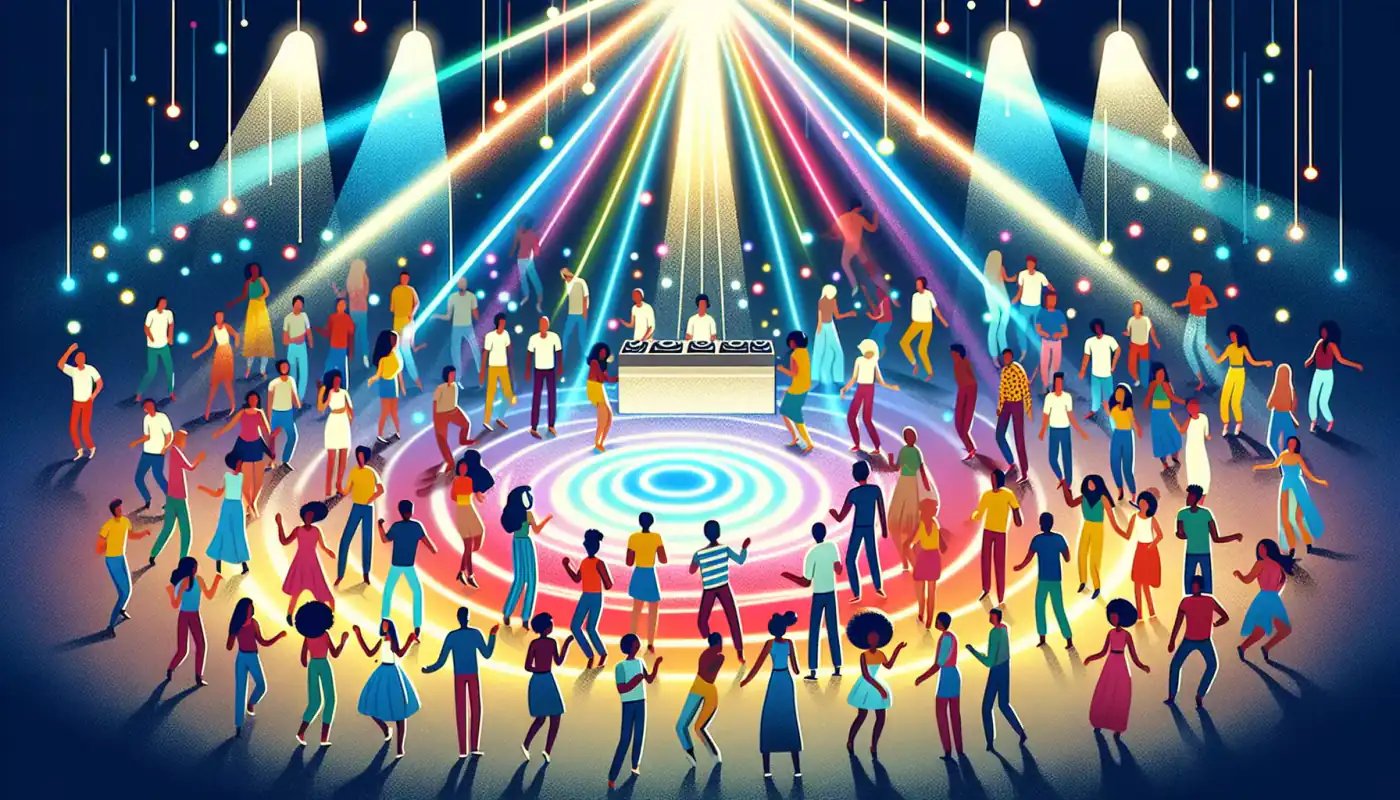
The impact of rhythm on the listener experience in psytrance music is pivotal, as it not only dictates the pace of the track but also shapes the emotional and physical responses of the audience. Each beat, accent, and syncopated pattern contributes to creating an engaging atmosphere where listeners can lose themselves in the music. The immersive quality of rhythmic elements fosters a sense of connection, drawing individuals into a shared experience that is both personal and communal.
One of the most significant effects of rhythm is its ability to induce a trance state. The repetitive nature of psytrance, especially with its driving kick drum, establishes a consistent foundation that invites listeners to surrender to the music. This hypnotic effect can promote deep introspection and even catharsis, allowing individuals to explore their own consciousness within the music. Thus, rhythm acts as a gateway to heightened states of awareness and emotional release, making the listening experience deeply transformative.
The dynamic evolution of rhythmic structures within psytrance can significantly alter the listener’s journey throughout a track. For example, the gradual introduction of rhythmic variations, such as the subtle addition of shakers or claps, can enhance the narrative of the music. This steady buildup creates anticipation, making the eventual drop or intense climax feel even more rewarding. The interplay of tension and release not only keeps the audience engaged but can also elevate their emotional state, encouraging moments of collective joy and euphoria on the dance floor.
Moreover, tempo variations within a track can manipulate energy levels, further influencing how listeners react. Creative changes in pace can guide the emotional trajectory of the music. Slowing down a section might give the audience a moment to breathe and reflect, while speeding up can drive excitement and exhilaration, drawing everyone into a heightened state of participation. Such rhythmic transitions serve as tools for storytellers, allowing producers to craft a narrative arc that resonates with listeners on multiple levels.
Additionally, the strategic use of polyrhythms and syncopation creates an enriching texture that can resonate with audiences on a physical and emotional level. By introducing multiple, interlocking rhythmic ideas, producers craft a complex web of sound that speaks to the listeners’ innate sense of rhythm and movement. This complexity not only deepens the immersive experience but also encourages dancers to explore their interpretations of the groove, fostering a shared connection on the dance floor.
The role of rhythm in live settings further amplifies its impact on listener experience. During performances, artists often respond to the energy of the crowd, adjusting their rhythmic choices in real time to sustain engagement and excitement. This responsiveness can create an electrifying atmosphere, where the interaction between the performer and audience fosters a heightened sense of unity. The rhythm becomes a shared heartbeat, resonating with everyone present and transforming the space into a collective celebration of sound and movement.
Consequently, it is evident that the impact of rhythm on listener experience within the context of psytrance music is far-reaching. The intricate and intentional use of rhythmic elements invites listeners into a profound state of engagement, ultimately allowing them to experience the music in ways that transcend the auditory into an immersive, almost spiritual journey. The connection forged through rhythm is a testament to its significance within the genre, cementing its role as a powerful facilitator of emotional and physical expression.
Techniques for enhancing rhythmic elements in production
Enhancing rhythmic elements in psytrance production involves a multitude of techniques that can elevate a track from good to unforgettable. First and foremost, utilizing a robust assortment of percussive instruments broadens the rhythmic spectrum. This includes not just conventional elements like kick drums and snares but extends to include shakers, tambourines, and even unconventional samples like clicks or claps. By layering these instruments, producers can create depth and texture that invigorate the primary rhythm, resulting in a more immersive listening experience.
Another essential technique is the manipulation of syncopation. This rhythmic device creates unexpected accents and breaks in the regular flow, pulling the listener’s interest in new directions. For instance, introducing a closed hi-hat that plays precisely on the off-beats alongside an open hi-hat on the downbeat can produce a dynamic interplay that keeps the rhythm engaging. Experimenting with the placement of the kick drum–shifting it slightly off the grid or applying swing settings–can also yield a unique feel, making the groove feel more organic rather than mechanical.
The use of automations is another potent method to enhance rhythmic complexity. By automating parameters such as volume, panning, and effects like reverb and delay, producers can develop evolving rhythmic textures. For example, gradually increasing the reverb on percussive elements as a buildup approaches can effectively amplify tension in the mix, leading to a more impactful drop. This technique not only invigorates the rhythm but also maintains listener interest throughout the track.
Incorporating polyrhythms can further enrich the rhythmic landscape, providing a tapestry of interlocking patterns that resonate with both the dancers’ physical movements and their emotional experiences. This can be achieved by layering different rhythmic elements that play at contrasting tempos. For instance, while the kick maintains a steady 4/4 loop, adding a 3/4 pattern on a secondary percussive instrument can produce a captivating interplay that adds complexity to the track, creating a feeling of multiple rhythmic dimensions.
Sophisticated production techniques like sidechain compression can also enhance rhythmic impact. By applying sidechain effects to synths or pads, synchronized to the kick drum, producers can create a pulsating feel that breathes with the rhythm, enhancing the entrancing qualities of the track. This technique ensures that every beat resonates throughout the mix while also allowing the rhythmic elements to shine through unimpeded.
Creating space within the track is equally crucial. This involves strategically removing elements during transitions and breakdowns to allow the rhythm to breathe, thus building anticipation before reintroducing the energetic layers. The careful orchestration of these peaks and valleys in rhythmic intensity can result in profound emotional experiences for the listener, reinforcing the hypnotic attributes that define psytrance.
Ultimately, to enhance the rhythms in psytrance production, it is imperative to continuously experiment with various elements, manipulate traditional structures, and innovate with sound design techniques. The goal is to create a rhythmic narrative that captivates listeners, drawing them deeper into the music and transporting them through an exhilarating journey of sound and emotion. By embracing these techniques, producers can unlock new dimensions in their tracks, inviting audiences to fully immerse themselves in the pulsating world of psytrance.