- Understanding creative blocks
- Identifying triggers and patterns
- Strategies to overcome obstacles
- Incorporating new techniques and tools
- Maintaining long-term creativity
In the realm of music production, particularly within genres like psytrance, understanding the nature of creative blocks is crucial for maintaining a consistent output. Creative blocks can manifest in various forms, often stemming from a combination of emotional, psychological, and even technical aspects that can hinder your workflow. One of the primary reasons for experiencing a block may be the overwhelming nature of the vast array of sounds and production techniques available to modern producers. It’s easy to feel lost or paralyzed by choice when faced with numerous software options, samples, and synthesis methods.
Another significant aspect to consider is the mental bandwidth required to produce music. The pressure to continuously create and innovate can lead to burnout, or feelings of inadequacy, pushing creativity into a defensive corner. Sometimes, the environment also plays a role; distractions from outside sources, like noise or an uncomfortable workspace, can inhibit focus and lead to blocks. Recognizing these environmental triggers is essential in curbing their impact. Set your workspace to be a zone of inspiration by minimizing interruptions, using soundproofing where possible, and ensuring your space reflects the desired vibe associated with psytrance music.
The interplay of emotions cannot be overlooked either. Anxiety, self-doubt, and fear of failure can severely disrupt the creative process. Engage in self-reflection when encountering a block; ask yourself if there are external pressures or internal beliefs that may be influencing your ability to produce. Understanding the psychological triggers, such as perfectionism or comparison with others, can help you break down the barriers temporarily halting your progress.
To truly grasp the depths of your creative blocks, keep a journal documenting your production sessions. Note when you experience a block, what you were working on, and how you felt beforehand. Over time, patterns may emerge that highlight specific situations or emotions that precede these blocks, providing insights into how to tackle them head-on.
Overall, having a thorough understanding of your personal creative blocks can significantly enhance your ability to navigate through the challenges of music production. As you continue working on your psytrance tracks, consider this awareness not just a tool, but a vital part of your creative practice, helping you to build resilience against temporary lapses in inspiration.
Identifying triggers and patterns
To effectively tackle creative blocks in your music production journey, it is essential to first identify the specific triggers and patterns that contribute to these moments of stagnation. This process begins by being observant and systematic about your production habits and emotional responses. As you spend time in your studio working on your psytrance tracks, take a mental note of when you feel particularly uninspired or restless. Is it during certain times of the day, or when you attempt particular tasks, like sound design or arrangement? Perhaps it happens when you compare your work to others in the genre or when you set overly ambitious goals for each session.
Establishing a routine can also serve as both a precursor to and a remedy for these obstacles. Some producers thrive in chaotic environments, while others require structure to flourish. Experiment with your routine. Do you find that inspiration strikes in the morning versus late at night? Does your creativity dwindle after prolonged hours in front of the screen? Identifying these patterns can help create an environment conducive to producing psytrance music, allowing you to preemptively counteract potential blocks before they take hold.
Pay attention to your emotional state while producing. The correlation between emotion and creativity can be profound; moments of self-doubt or anxiety often coincide with unproductive sessions. When you notice these feelings creeping in, take a step back and document what exactly triggered these emotions. Did a specific track remind you of something you weren’t satisfied with? Did you receive feedback that felt dismissive? By addressing these triggers, you can reframe your mindset going forward. One of the most effective tips for overcoming these emotional challenges is to practice self-compassion. Remind yourself that every artist encounters periods of creative dry spells—this is not a reflection of your talent.
Moreover, consider maintaining a dedicated log or journal that records not just your daily output, but also your emotional states, environmental factors, and any external influences you may experience during your production sessions. This practice allows you to spot recurring trends and shifts over time, strengthening your understanding of the relationship between your environment, emotional health, and creative capacity. Often minor adjustments—such as rearranging your workspace or incorporating regular breaks for mindfulness musing—can yield substantial gains in your productivity and creativity.
Carefully examining these aspects can fuel a better understanding of your unique creative process, illuminating the paths that lead you either toward productive sessions or creative blocks. Through this awareness, you can harness the knowledge of your relationship with creative blocks, effectively navigating around them to maintain your momentum in music production.
Strategies to overcome obstacles
When facing creative blocks, one of the most effective strategies is to alter your approach to music production. Start by allowing yourself to take a break. Stepping away from your project can provide a fresh perspective. During this time, engage in activities unrelated to music, such as going for a walk, practicing mindfulness, or simply listening to your favorite psytrance tracks. This mental reset can help clear your mind and facilitate a more organic flow when you return to creating.
Another powerful technique involves changing your production environment. If you usually work in a specific location, consider shifting your setup to a different room or even a completely new space. This change can stimulate new ideas and serve as an inspiration boost. Experimenting with your lighting, decor, or even sound systems can significantly alter the mood and enhance your creative energy. For instance, some producers find that using colored lighting in their studio helps to instigate a more vibrant atmosphere, conducive to the psychedelic nature of psytrance.
Let’s also explore the concept of collaboration. Working with other musicians or producers can expose you to fresh ideas and techniques that you may not have considered. Making connections within the psytrance community and collaborating on tracks can not only provide motivation but also challenge you to step outside your comfort zone. Consider joining local groups or online forums where you can share ideas and receive constructive feedback on your productions.
Utilizing new techniques in your music production can also reignite your creative spark. If you typically rely on specific software or hardware, push yourself to explore unfamiliar plugins or instruments. For example, if you’re used to traditional synths, try incorporating granular synthesis or sampling techniques to create unique soundscapes. There are countless tutorials online focusing on advanced production techniques tailored for psytrance, and delving into these can offer new insights that help overcome creative hurdles.
Additionally, don’t underestimate the power of structured challenges. Try setting specific, manageable goals for your production sessions, such as finishing a basic arrangement in one day or experimenting with a new sound for an hour. By breaking down your production tasks into bite-sized challenges, you can reduce overwhelm and create a more focused environment. This approach can help maintain forward momentum, even on days when inspiration feels elusive.
Finally, remember the importance of self-care in the context of your creative well-being. Regularly allocate time for activities that replenish your energy, such as exercising, meditating, or engaging in a hobby outside of music. These practices can significantly mitigate stress and anxiety, ultimately fostering a more pleasant production experience. By incorporating these strategies into your routine, you can effectively create a supportive framework that nurtures your creativity, allowing you to navigate through creative blocks with greater ease.
Incorporating new techniques and tools
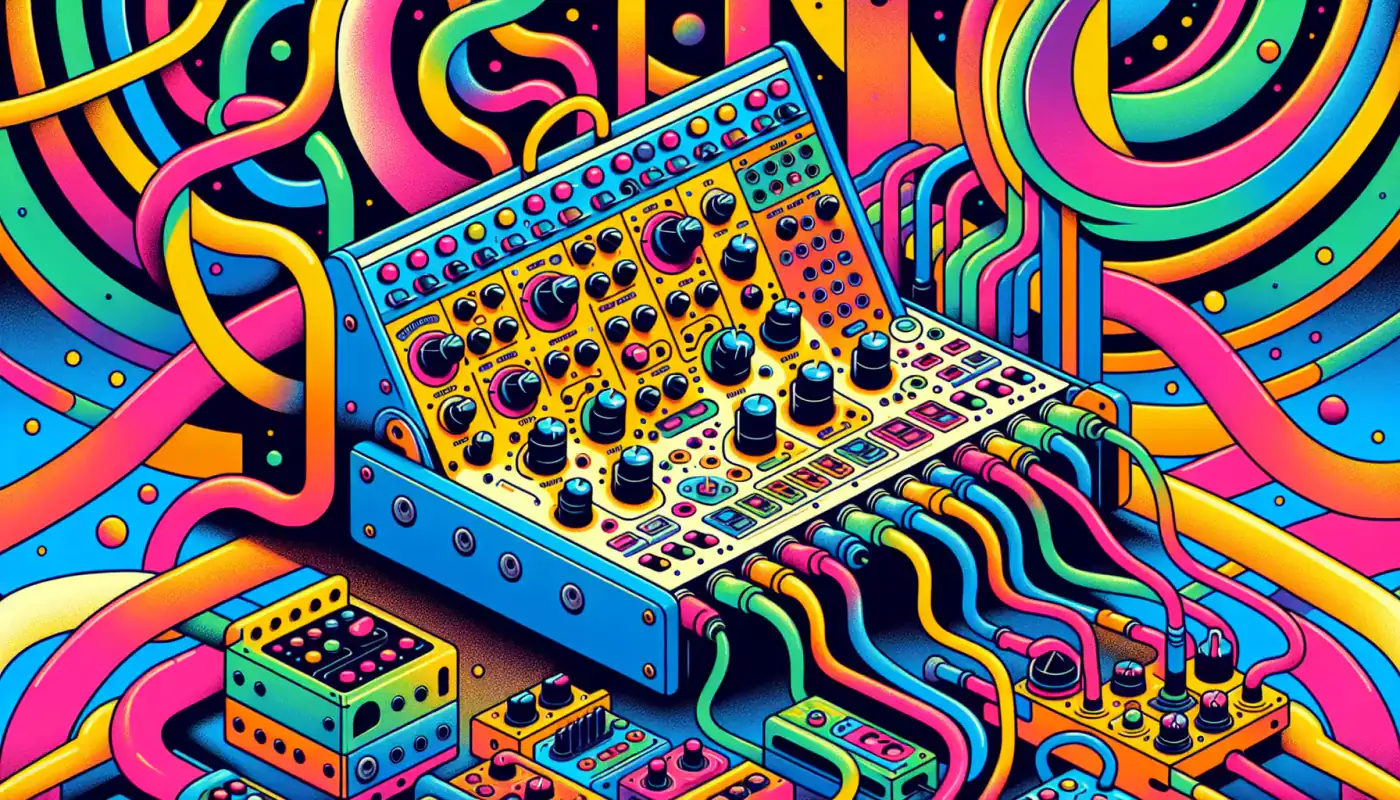
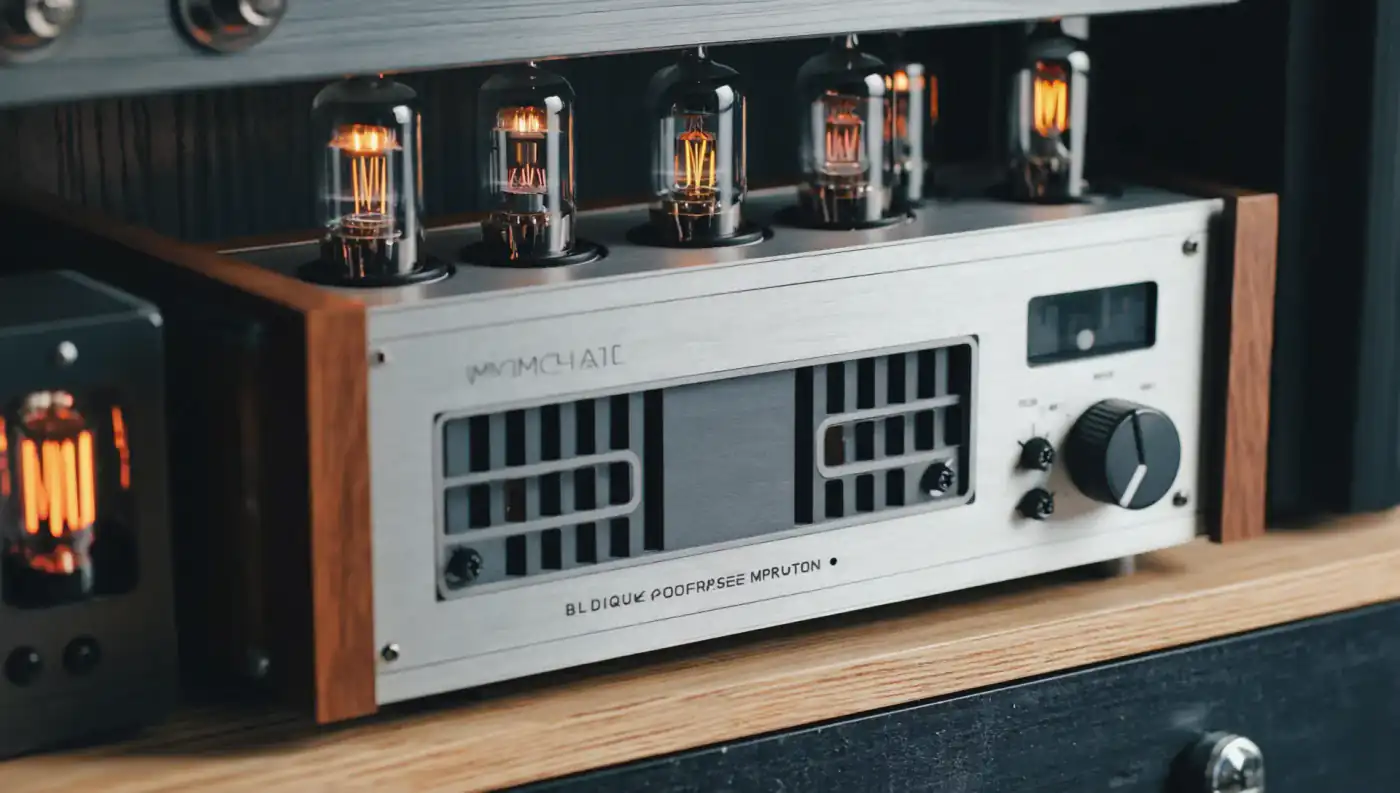
In the realm of psytrance music production, augmenting your creative toolkit with new techniques and tools can serve as a powerful catalyst for breaking through creative blocks. One effective method to consider is the introduction of innovative synthesis techniques. For example, exploring the world of modular synthesis could open up opportunities to create complex and evolving sounds that are characteristic of the genre. Modular systems allow for reconfiguring signal paths, offering you more control and flexibility than traditional fixed synths. Investing some time into understanding the principles of signal flow in a modular setup will empower you to create unique patches that can spark fresh ideas.
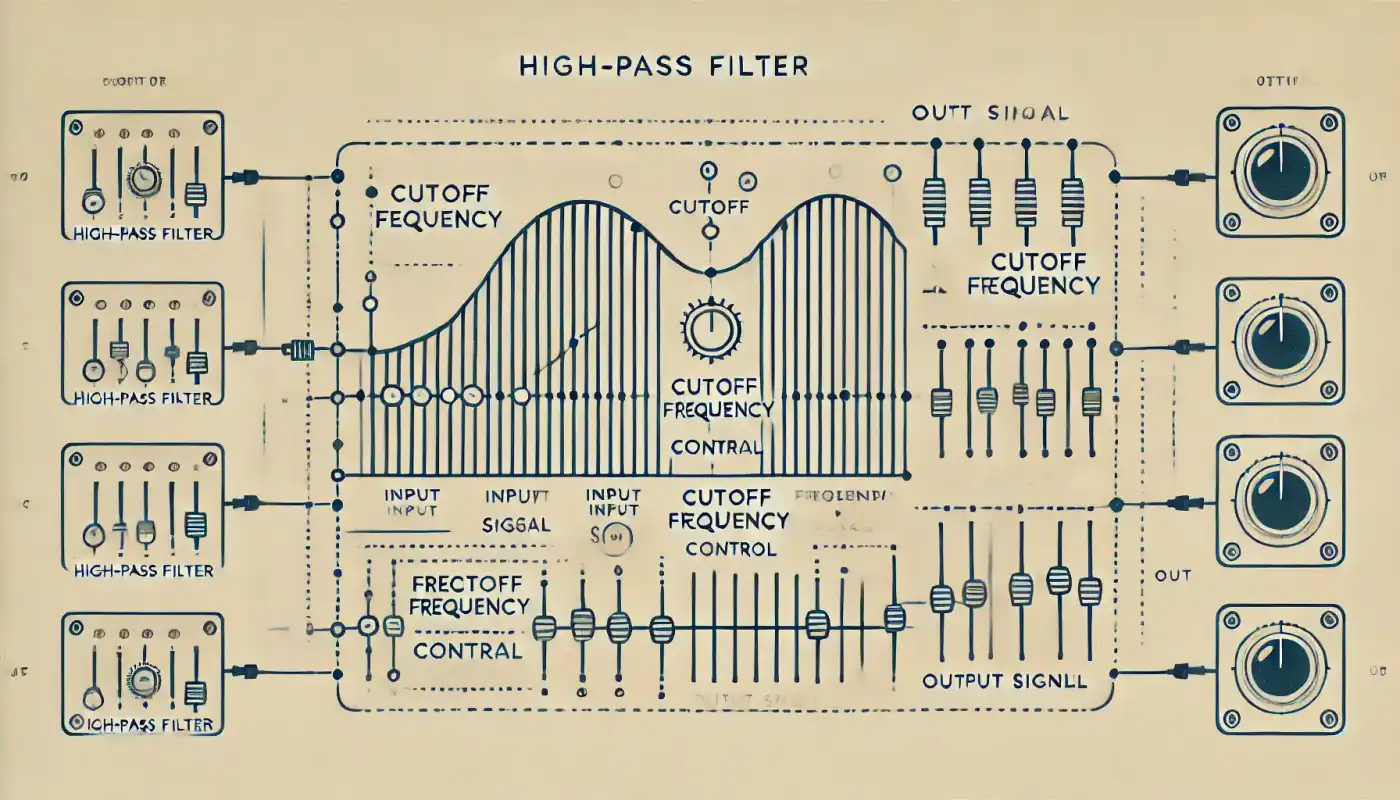
Another area to explore is the use of effects processing. Psytrance heavily relies on the manipulation of sounds through effects like reverb, delay, and distortion. Instead of sticking to default presets, experiment with advanced techniques such as automating parameters over time to create evolving textures. For instance, you might want to apply tempo-synced delay or dynamically modulate the filter cutoff on a synth line that develops through the track, enhancing the psychedelic experience of your music. This can help generate unique motifs that lead to moments of inspiration, breaking through unproductive phases.
Using samples creatively can also inject new life into your music. Rather than solely relying on your own synth work, delve into sample manipulation. Take sounds from nature, spoken word, or even other genres, and use them to create hybrid textures. For example, manipulating vocal samples with pitch-shifting and time-stretching techniques can yield fascinating results. Incorporating these variegated sounds can not only diversify your palette but also pull you out of a creative rut by offering unfamiliar inspirational material.
Additionally, embracing a variety of software tools is pivotal. If you typically use only your Digital Audio Workstation (DAW), consider integrating specialized production tools such as audio analysis plugins or generative music software. Tools like iZotope’s Ozone for mastering or MeldaProduction’s MFreeformAnalogEq for advanced equalization can help fine-tune your projects, leading to greater satisfaction and motivation during the mixing and mastering stages. These applications provide insights into your mixes that could alert you to problems or areas for improvement that spark new ideas.
Don’t overlook the potential of collaborative platforms. Utilizing online collaboration tools such as Splice or Soundtrap can open a window to sharing and discovering new approaches to production. Working with others allows you to witness their processes and introduces you to techniques that could inspire your own work. This shared experience not only combats feelings of isolation that sometimes accompany creative blocks but can also lead to unforeseen innovations in your own style.
Moreover, engage deeply with the community and resources available. Consider taking online workshops or tutorials focused on specific aspects of psytrance production. These sessions often provide not just techniques but also insights into the thought processes of experienced producers. Engaging with community forums where others share tips can spark new ideas and reveal insider practices that rejuvenate your music-making journey.
Incorporating all these tools and techniques into your workflow can create a vibrant ecosystem that promotes ongoing exploration and reduces the likelihood of creative blocks. Aim to approach each session with a mindset geared toward experimentation rather than perfection. By fostering an environment where experimenting is celebrated, you are effectively dismantling barriers that may inhibit your creative flow in music production.
Maintaining long-term creativity
Maintaining long-term creativity in music production, especially within the vibrant realm of psytrance, requires a multifaceted approach that encourages both discipline and exploration. One of the fundamental aspects of sustaining creativity is establishing a balanced workflow. Create a regular production schedule that accommodates both structured sessions and free experimentation. This balance allows you to push boundaries and explore new ideas without the pressure to constantly produce finished tracks. Designate specific times for focused work, while also allowing yourself space for play. During these play sessions, try following your instincts without any set goals; play around with synths, sound design, or improvisation to let spontaneity guide your creativity.
Furthermore, consider the importance of routine and how it can influence your creative output. Routines can help condition your mind to transition into a creative space more effortlessly. Experiment with rituals before beginning a session: perhaps a few minutes of meditation, a warm cup of tea, or even a quick physical warm-up. These small habits can signal to your brain that it’s time to get into a creative zone. Alongside this, keep your workspace inviting and inspiring. Personalize it with artwork, plants, or musical paraphernalia that resonates with the psychedelic aesthetic, enhancing your environment’s emotional connection to your creative process.
Engage with the psytrance community to keep your passion alive. Attend events, participate in online forums, or collaborate with other artists. This exposure can provide fresh perspectives and reinvigoration for your work. Feedback from peers not only aids in enhancing your music but also fosters a supportive network that navigates the ups and downs of creative blocks. When feeling stagnated, discussing your work with fellow producers can lead to invaluable insights, and you may even discover new techniques or concepts that inspire your future projects.
Incorporating continuous learning into your routine is equally essential. Dedicate time to understand new plugins, explore different synthesis techniques, or research sound design principles that apply to psytrance music production. Taking online courses or watching tutorials can be an exciting way to engage with the latest trends and innovations in music technology. As you broaden your skills and knowledge, you’ll find that your creative toolkit expands, enabling you to approach your music with fresh ideas and perspectives.
Regularly revisiting your completed tracks can invoke a sense of growth and reinforcement of your evolving style. Listen critically to your past works and analyze how your skills have developed over time. This reflection can create motivation as you recognize your progress, and help you identify elements you’d like to explore further in future projects. Such retrospection can often spark inspiration and steer you towards new goals, constantly feeding your creative engine.
Lastly, never underestimate the power of rest and rejuvenation. As much as it’s vital to immerse yourself in music production, your brain and body also need recovery time to prevent burnout. Engage in activities outside of music that rejuvenate you, whether it’s art, nature, or meditation. Giving yourself permission to disconnect allows the subconscious to work, often leading to new musical ideas appearing unexpectedly. Remember, maintaining long-term creativity is a delicate dance between production and self-care; fostering this balance is key to thriving in your artistic journey.