- Creating visual elements to accompany psytrance music
- Understanding psytrance aesthetics
- The role of color in visual design
- Integrating motion and rhythm
- Tools for creating visual elements
- Examples of successful psytrance visuals
To create visual elements that resonate with the essence of psytrance music, it’s essential to understand the core concepts that define this genre. The visuals you generate should not only accompany the music but also enhance the listening experience by providing a striking visual environment that mirrors the auditory landscape. Start by aligning your visual elements with the deep, immersive psychotropic themes often found in psytrance tracks. Think about how the pulse of the music—the beats per minute, the intricate layering, and the evolving soundscapes—can be translated into visual motion and complexity.
One effective approach is to begin with brainstorming and sketching concepts that represent the mood of specific tracks. Listen closely to the music and identify key sounds or motifs that stand out; this will help in creating a cohesive connection between the audio and visual components. For instance, if a track features ethereal synths that evoke a sense of traveling through space, consider incorporating cosmic imagery or flowing, star-filled backgrounds that change colors or patterns in sync with the music.
Next, utilize software tools that are geared toward multimedia projects. Programs like Adobe After Effects and Resolume are popular in the event and festival circuit for generating stunning real-time visuals. They allow for extensive manipulation of images, 3D effects, and synchronization with sound elements, which are vital when crafting a captivating visual experience for psytrance performances. Learn how to use these tools effectively by taking advantage of online tutorials or community resources focusing on visual production for electronic music.
As you proceed, pay attention to the flow and dynamics of your visual elements. The rhythm of the visuals should reflect the changes in the music, transitioning smoothly between themes while maintaining a uniform visual language throughout the piece. You might find it useful to break down the music into sections—intro, build-up, climax, and resolution—and develop different visual motifs for each section that echo the emotional evolution of the sound.
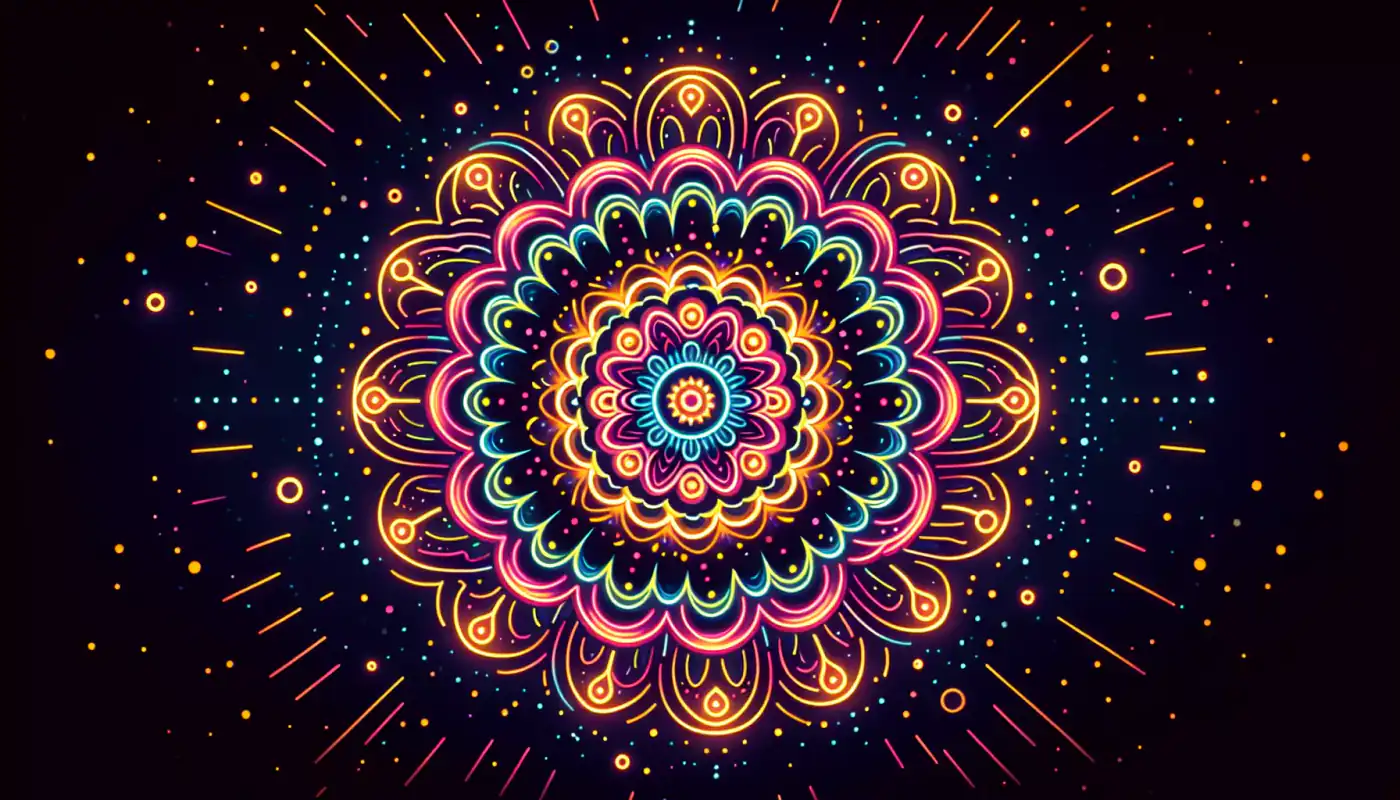
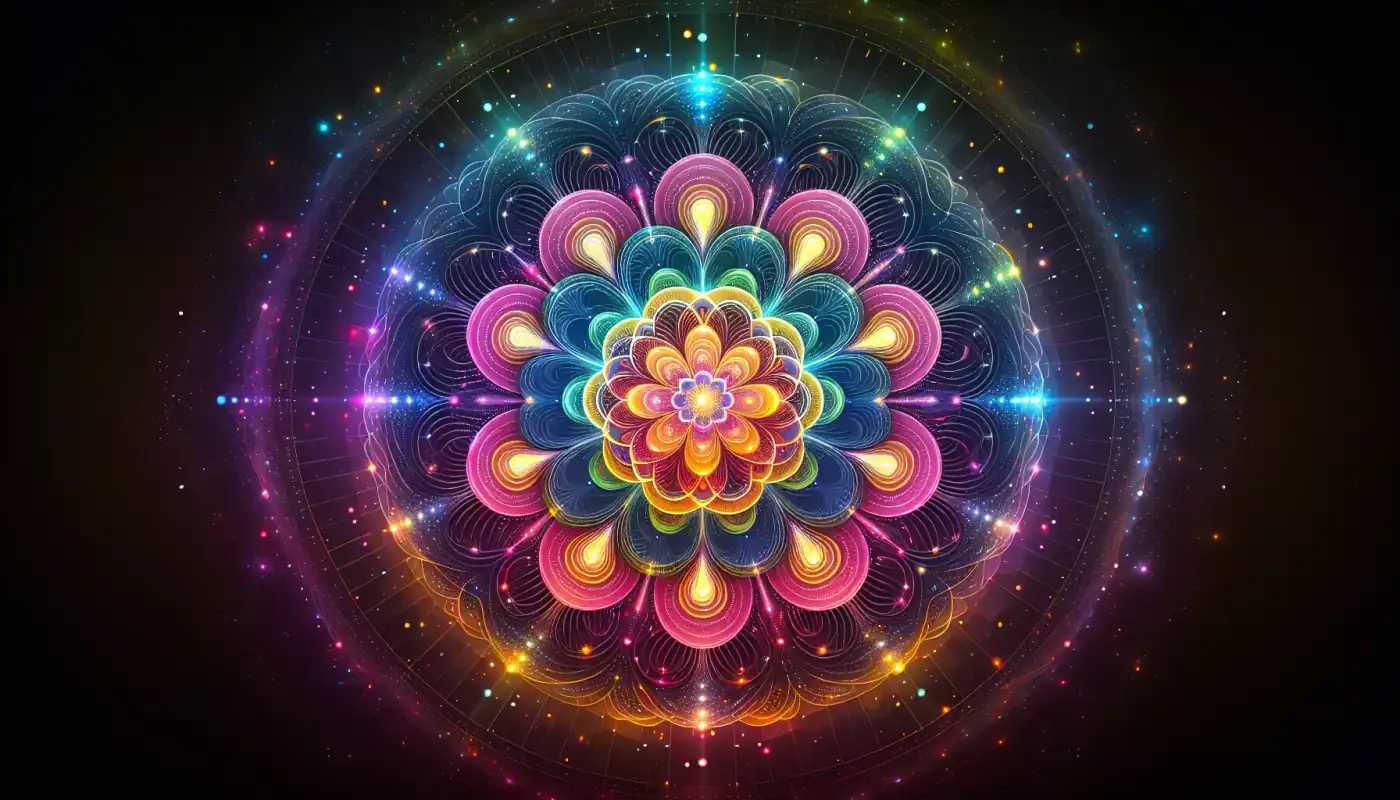
Lastly, don’t shy away from experimenting with different aspects of visual design. Incorporate elements like fractals, mandalas, and abstract shapes, which naturally align with the psychedelic experience. Use symmetry and repetition in your visuals to create hypnotic patterns that reflect the entrancing qualities of the sounds. The goal is to evoke a sense of unity between the viewer and the music, making the visual elements an integral part of the psytrance journey.
Understanding psytrance aesthetics
To grasp the essence of the psytrance aesthetic, one must delve into the fundamental characteristics that define this vibrant genre. Drawing inspiration from psychedelic art, the visuals associated with psytrance are often characterized by intricate patterns, mystical symbols, and surreal landscapes that aim to evoke a sense of depth and transcendence in the viewer. Combining nature’s motifs with cosmic elements, the aesthetics reflect the journey within, often paralleling the introspective and euphoric states engendered by the music. As you develop your visual elements, it’s important to consider how the aesthetic components can enhance the overall sensory experience, effectively capturing the ethereal elements of the genre.
Central to the understanding of psytrance aesthetics is the notion of connection—both to the self and to the collective experience of a festival or event. The artwork often proposes a dialogue between the individual and the external, creating visuals that resonate on personal and universal levels. Consider using organic shapes and flowing designs that mimic nature and the universe; fractal patterns, for example, can visually portray the infinite complexity of the soundscapes in psytrance. Employing this organic inspiration will help you create a visual narrative that not only complements but amplifies the music’s intention.
Color is another crucial aspect of psytrance aesthetics. The vibrant palettes typically associated with the genre—ranging from brilliant neons to deep jewel tones—serve to evoke emotional responses and stimulate the visual senses. When selecting colors for your visual elements, consider how these colors not only relate to the psychological impacts they carry but also how they interact with one another. Tools such as color theory can guide you in selecting pairings that create vibrant contrasts or harmonious blends, allowing your visuals to pulsate in tandem with the rhythms of the music.
Furthermore, layering in multimedia aspects adds dynamism to the overall aesthetic. Incorporate various elements such as videos, animations, and interactive graphics that can change in response to the sound waves. These layers create a rich tapestry of visuals that can draw the audience deeper into the experience. In addition, participation in formative multimedia workshops or collaborative projects can also enhance your understanding of how to effectively blend these different media into coherent visuals that reflect the core essence of psytrance.
As you develop your understanding of psytrance aesthetics, remember to continuously engage with the music and its corresponding visuals. Experimentation will be your best ally; not every visual will resonate, but in this trial and error, you will discover what truly amplifies the experience. Strive to maintain a sense of fluidity in both your audio and visual elements, fostering an immersive atmosphere that allows participants to feel a deep connection to the experience. This dual commitment to rhythm and aesthetics is what will ultimately set your work apart in the realm of psytrance visual creation.
The role of color in visual design
In the realm of visual design, color plays a pivotal role that goes beyond mere aesthetics; it deeply influences the emotional tone and energy of the visuals created for psytrance music. Understanding the psychology of color is essential for effectively conveying the mood and message of the music. For instance, warm colors such as reds and oranges can evoke sensations of excitement, passion, or energy, while cool colors like blues and greens can bring about feelings of calmness, introspection, or even spirituality. When designing visual elements, it’s crucial to consider how these colors will resonate with the audience, enhancing their experience and emotional connection with the music.
Begin by developing a color palette that aligns with the specific track or set you are working on. Use tools such as Adobe Color or Coolors to create harmonious color schemes that blend well together. Consider using a dominant color for the primary theme, supplemented by secondary and accent colors to add depth and variety. This approach not only helps to maintain visual cohesion but also allows for dramatic shifts in tone when needed, such as transitioning from a euphoric peak to a serene breakdown. Such transitions can be visually represented by smooth color gradients or sudden, vibrant changes that echo the dynamic nature of psytrance music.
Additionally, the application of color should take into account the interplay between light and shadow. Utilizing contrasts effectively can amplify the vividness of your visuals, creating a striking sense of depth and dimension. For example, when incorporating multimedia elements like animations or layered graphics, shadows can help ground objects within the scene, making them appear more three-dimensional and engaging. During lively sections of a track with rapid tempo shifts, consider using bright, pulsating colors that change rhythmically to match the beats, while softer, more subdued palettes can be utilized for slower, more contemplative parts.
As you design your visual elements, don’t forget to consider cultural associations with colors as well. Different cultures may perceive colors in unique ways—while green might symbolize growth and harmony in many cultures, in others it may be linked to jealousy or inexperience. In the context of psytrance, there’s an opportunity to draw from the rich tapestry of cultural symbolism, infusing your visuals with meanings that resonate universally or regionally with festival audiences. This cultural awareness can deepen the connection between the visuals and the experience of the music.
Finally, to make the most of your understanding of color, stay updated on current trends in psytrance visuals and the broader psychedelic art movement. Follow artists and collectives that inspire you, analyze their use of color, and think critically about how these choices contribute to the overall impact of their work. This ongoing engagement with the visual landscape not only helps refine your skills but also provides fresh inspiration for your own visual elements. By harnessing the power of color thoughtfully, you enable your visuals to become a compelling companion to the incredible soundscapes of psytrance, enriching the sensory experience for all who witness it.
Integrating motion and rhythm
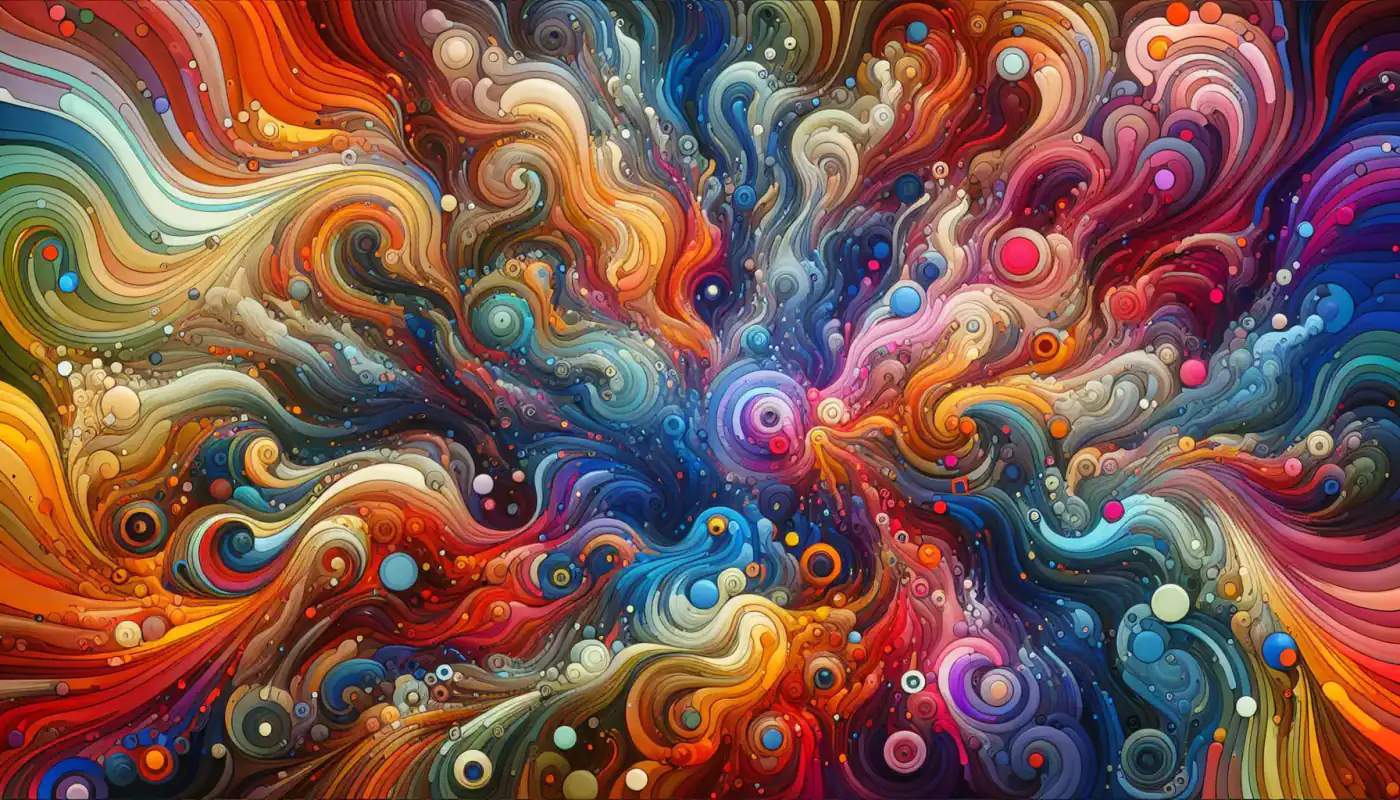
Integrating motion into your visual elements is a crucial aspect of enhancing the experience of psytrance music. The synergy between sound and visuals not only elevates the performance but also engages the audience on a deeper emotional level. Start by breaking down the rhythm of the music; listen carefully to the layers and nuances to understand the intricacies of each track. Consider using a software like Adobe After Effects, which allows you to create dynamic animations that can ebb and flow with the music, ensuring that your visuals correlate with the rhythmic patterns and melodies.
When creating motion graphics, think about the tempo of the music. Fast-paced sections may benefit from rapid movements and quick transitions, while slower, more melodic parts can utilize more fluid and tranquil motions. This alignment of visual rhythm to musical tempo creates a seamless audiovisual experience that draws the audience in. You can experiment with different effects such as zooms, pans, or spins that resonate with the music’s build and drop, evoking a physical response from the viewers.
Layering is another important technique in crafting motion. You can combine multiple visual elements that move at varying speeds. For instance, incorporate a background that slowly shifts and changes colors, while foreground elements bounce or swirl in reaction to different frequencies. This layered approach adds depth and complexity, making the visuals feel more immersive and dynamic. Consider utilizing parallax effects, where layers of images move separately, creating a 3D-like experience that enhances the psychedelic feel of the visuals.
Using a concept of ‘visual beats’ can effectively sync your motions with the music. Identify key beats or sounds in the track and create animations that punctuate these moments. For instance, an explosive sound could trigger a burst of vibrant colors or a sudden movement of shapes that expands outward, visually mirroring what the audience hears. This technique not only captures the energy of the music but also establishes a direct connection between audio and visual experiences, making your performance feel more unified.
Animation techniques such as tweening—where you define key positions of an element and let the software calculate the in-between frames—can save time while maintaining fluidity in motion. Moreover, employing techniques like shape morphing can create mesmerizing transitions between visuals that maintain the viewer’s engagement. By manipulating shapes, colors, and forms in conjunction with musical crescendos, you can enhance the overall narrative of the visual experience.
Additionally, don’t forget the importance of pacing. Just as you would with sound design, you should consider the pacing of your visual elements. Pauses or slow-motion effects at poignant moments can amplify emotional impact, allowing the audience to absorb and connect with the represented visuals deeply. This can effectively correspond to breaks in the music, allowing for an immersive moment that invites reflection or introspection.
In your exploration of motion within psytrance visuals, consider integrating multimedia elements such as live interaction or audience participatory components. Technologies like projection mapping can allow for visuals that adapt in real time based on audience movements or reactions, enhancing the sense of communal experience at festivals or events. This interactivity not only captivates attention but also ensures that every audience member feels part of the unfolding art.
As you bring these concepts together, continually experiment with your motion graphics to discover what works best for each unique set of psytrance tracks. Document your creative process and analyze audience responses to refine your techniques further. The union of rhythm, movement, and sound will ultimately create a stunning visual tapestry, one that amplifies the essence of the music and facilitates a deeper connection with the experience of psytrance.
Tools for creating visual elements
When it comes to creating compelling visual elements for psytrance music, selecting the right tools and software is fundamental to achieving a professional and polished result. A variety of graphic design and video editing applications are available, each offering unique features that cater to different aspects of multimedia creation. To begin, consider using renowned software like Adobe Photoshop and Illustrator for creating stunning static visuals or promotional graphics that showcase your design aesthetics. These tools enable you to manipulate images, create intricate patterns, and experiment with typography—all key components that embody the vibrant world of psytrance visuals.
For those looking to branch into animation and video creation, Adobe After Effects is a powerhouse in the field. This application empowers creators to develop dynamic and layered animations that can synchronize with music seamlessly. By using its extensive library of effects, you can produce mesmerizing transformations and smooth transitions that align with the beat and rhythm of the track. Learning how to combine various keyframes, utilizing expressions, and mastering the timeline can significantly enhance your ability to make your animations feel alive and responsive to the auditory elements of the psytrance experience.
If you prefer real-time visualizations, software like Resolume Arena or Modul8 is ideal for live performances. These platforms allow you to mix visuals live, providing the flexibility to adjust visuals on the fly in response to the music and audience reactions. Both applications support a variety of media formats and can integrate with MIDI controllers, making live performance a reactive and engaging experience. Understanding how to set up your systems for triggering visuals in sync with the music will elevate your overall presentation and leave a lasting impact on your audience.
For creators inclined toward generative art, tools such as TouchDesigner or Processing can be transformational. These software options allow for the creation of visuals that change based on real-time input, such as audio frequencies or audience contributions. Using algorithms and programming to drive your visual elements offers an innovative twist to traditional animation and can result in unique experiences tailored to the specific energy of a live psytrance environment.
Furthermore, don’t overlook the potential of 3D modeling software like Blender or Cinema 4D. These applications can help you craft intricate 3D environments and objects that feel otherworldly and immersive, suitable for the psychedelic themes inherent in psytrance. Integrating 3D models within your multimedia visuals can create breathtaking depth and a sense of space, further drawing the audience into the world you are designing.
For those who are just starting, consider utilizing online resources such as tutorials on platforms like YouTube and educational websites that specialize in visual design or multimedia. Engaging with online communities, forums, and social media groups dedicated to visual artists in electronic music can provide insights, inspiration, and support as you develop your skills.
As you integrate these tools and techniques into your practice, embrace the importance of experimentation. Don’t be afraid to mix different software in your workflow—combining the strengths of various applications can lead to innovative approaches that push the boundaries of standard visual elements. Maintain a journal of your creative process, recording what techniques worked or needed adjustment, as this will aid in honing your craft and elevating your ability to produce stunning visuals that enhance the profound experience of psytrance music.
Examples of successful psytrance visuals
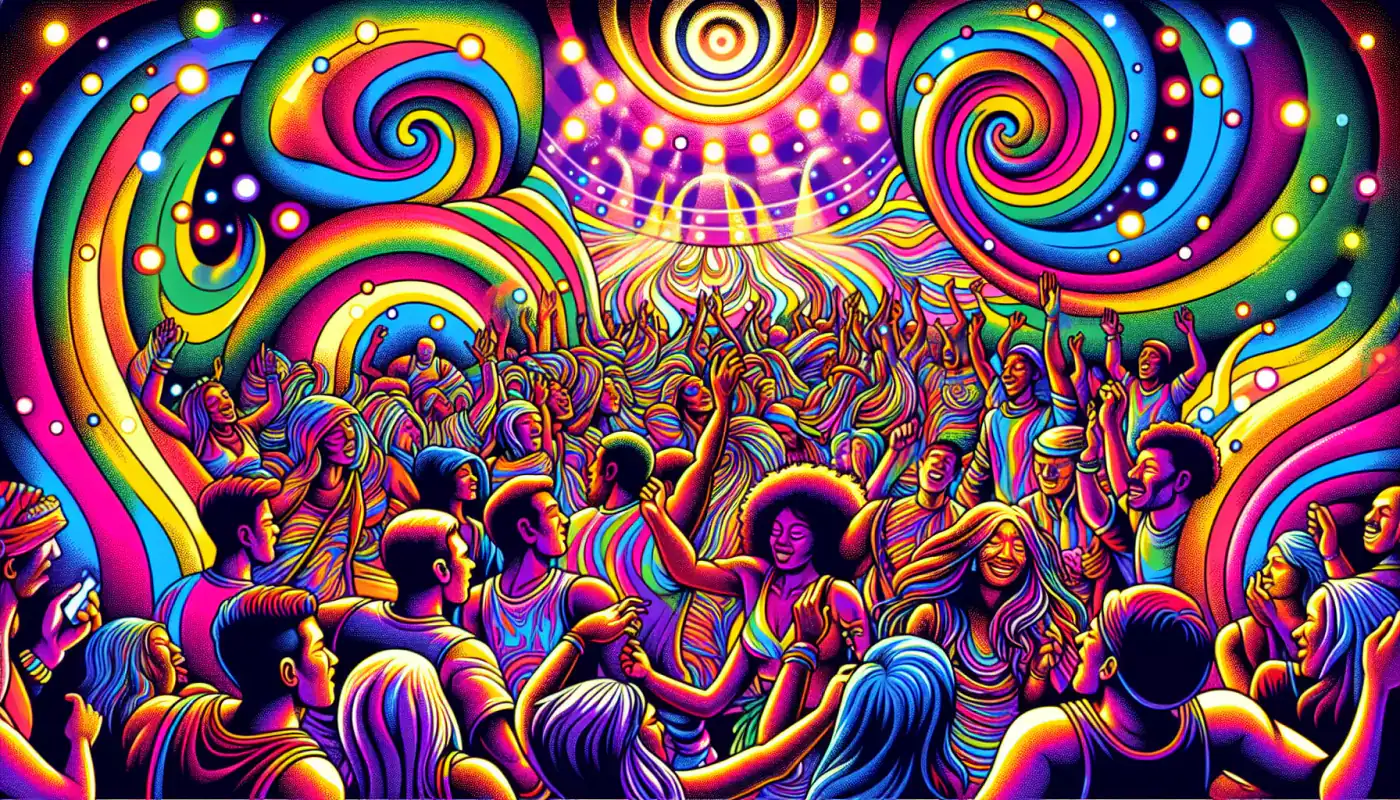
Successful psytrance visuals can be found across a multitude of platforms, spaces, and events, showcasing the breadth of creativity that this genre inspires. One prime example is the visual design seen at major festival stages, where LED screens and projections combine to create an immersive auditory and visual experience. These environments often utilize large-scale digital art that reflects the hypnotic patterns and vibrant colors typical of psytrance. Artists use cyclical motifs, fractals, and abstract animations to evoke the same sense of journey that the music offers, creating a cohesive experience that resonates with audiences on multiple sensory levels.
A great illustration of this concept is the work of renowned visual artists like Android Jones and Alex Grey, who have created artworks that not only stand alone as stunning pieces but also serve as effective backdrops for psytrance DJs. Their intricate designs, filled with layers of rich colors and swirling shapes, capture the essence of the music. Projects such as their visual installations have made their way into prominent festivals, demonstrating how powerful imagery can elevate a live performance. These visuals often synchronize with the beats and transitions of the music, amplifying emotional responses among the crowd and enhancing the overall energy of the event.
Another key example of successful visual elements in psytrance can be seen in online platforms where VJs and motion graphic designers share their work. Many VJs create short clips designed specifically for psytrance tracks, utilizing software like Resolume to perform live visual sets that respond dynamically to the music. This form of multimedia performance highlights how visuals can interact with live sound, creating an engaging and fluid experience for the audience. The emphasis on rhythm in visuals—using fast cuts and color shifts aligned with bass drops—allows these pieces to transcend screens and transport viewers into an alternate state of consciousness.
Additionally, many dedicated psytrance music videos employ artistic animation techniques that pay homage to the genre’s spiritual and psychotropic themes. These videos, which can be found on platforms like YouTube, often feature a blend of traditional animation and contemporary digital effects. Artists create swirling animations that mimic the sonic elements of the track, evoking feelings of movement, energy, and transformation. Such works ensure that the visual narrative complements the auditory experience beautifully, enhancing the message of the music and creating a captivating story that viewers can immerse themselves in.
Furthermore, visual art accompanying psytrance music isn’t confined to mere performance; it extends to promotional materials for events and releases. Stunning album covers, flyers, and social media graphics echo the themes found in the music, establishing a visual identity that can attract audience attention. Designers often incorporate psychedelic imagery, color schemes that reflect the music’s emotional tones, and intricate designs that invite the viewer to explore deeper. This approach not only strengthens the connection between artist and audience but also elevates the overall perception of the genre, appealing to both existing fans and newcomers.
In each of these examples, the common thread remains the ability of visual elements to connect deeply with the audience’s experience of psytrance. By focusing on cohesion between the visuals and the music, artists and designers create multi-layered journeys that go beyond simple entertainment, inviting viewers to engage in a rich tapestry of sound and sight. As this art form continues to evolve, it remains a vital component of the psytrance experience, rich with opportunity for innovation and expression.