- Understanding the Psytrance Community
- Finding Potential Collaborators
- Establishing Clear Communication
- Sharing Creative Ideas
- Finalizing and Promoting Collaborative Works
Engaging with the psytrance community requires an understanding of its core principles, values, and aesthetic styles. This genre is deeply rooted in a culture of sharing and collaboration, where artists often contribute to each other’s projects, creating a rich tapestry of soundscapes. One of the most significant aspects of the psytrance community is its inclusive nature, where both amateur and professional artists come together to push the boundaries of music and creativity. Many artists find inspiration not only in music but also in the collaboration process itself, using it as a catalyst for personal and artistic growth.
To truly grasp the dynamics within this community, it is essential to participate actively. Attend events, engage in discussions on forums, and follow prominent figures in the genre on social media. This not only broadens your knowledge of different artistic styles but provides insight into ongoing trends and shifts in the psytrance scene. Listening to various tracks, particularly those released by fellow community members, can ignite new ideas and help develop your unique sound.
Networking is another crucial element in understanding the psytrance community. Forming connections with like-minded individuals opens doors to potential collaboration opportunities. Actively participating in local gatherings, online groups, or workshops can yield fruitful relationships. By sharing your journey and experiences, you create an environment that promotes mutual support and creativity, essential ingredients in this genre.
The ethos of the psytrance community also emphasizes respect for each artist’s voice and style. It is vital to appreciate the diversity within the genre, from the darker, deeper beats to the brighter, uplifting melodies. This variety enhances the collaboration process as artists can draw from different influences and merging them results in fresh, innovative sounds that can captivate listeners. Recognizing and valuing different perspectives within the community can lead to unparalleled opportunities in music production.
Moreover, many successful psytrance artists often credit their growth to the feedback received from the community. Sharing your work, whether through public channels or in private groups, allows artists to garner constructive criticism and insights that might not be evident during solitary creation. This iterative process helps refine your sound and strengthens your place within the community, making you more appealing as a potential collaborator.
Understanding the psytrance community involves embracing its collaborative spirit and recognizing the power of shared creativity. Engaging deeply, respecting diversity, and valuing feedback are foundational to thriving in this vibrant scene, setting the stage for successful partnerships that push the envelope of musical innovation.
Finding Potential Collaborators
Finding the right partners for your psytrance projects can significantly enhance the quality and diversity of your music. Start by exploring social media platforms and specialized forums where artists congregate. Websites like SoundCloud, Facebook groups, and dedicated music forums allow you to connect with both emerging and established talents. Look for those who share similar creative visions or styles that resonate with yours. Engaging in discussions and sharing your work can help you identify potential collaborators who appreciate your sound.
Another effective strategy is to attend psytrance festivals, workshops, and local events. The immersive experience of live music allows you to meet fellow artists face-to-face. Networking in person often fosters genuine relationships, making it easier to propose collaborative projects. Be open and approachable; exchanging ideas in a casual setting can lead to exciting partnerships. Carry business cards or promotional material that highlights your past work to leave a lasting impression.
Online collaboration platforms, such as Splice or Kompoz, can also serve as valuable resources for finding partners. These platforms allow artists to share unfinished tracks or collaborate in real-time, breaking geographical barriers. When using these services, be clear about your goals and expectations to attract like-minded individuals. Keep an eye out for collaborative challenges or contests within these communities, as they are opportunities to meet new people and potentially spark a lasting creative partnership.
Additionally, reach out to your network. Friends and acquaintances in the psytrance scene can often introduce you to other talented artists. Don’t hesitate to ask for recommendations, as often, the best collaborations arise from trusted connections. Be proactive in showcasing your work—whether it’s through social media posts or sharing demo tracks with your peers—to draw interest from potential collaborators.
When exploring potential collaborations, consider the artistic styles and strengths of other artists. Diversifying your collaborative partnerships by working with individuals who excel in different aspects of production can lead to innovative outcomes. For instance, teaming up with someone versed in sound design may elevate your production quality significantly, while another artist might bring a unique rhythm or melodic perspective that enhances your tracks.
Lastly, don’t overlook the power of mentorship. Many experienced artists enjoy sharing their knowledge and may be open to collaborating with less experienced musicians. This not only provides a platform for learning but can also lead to relationships that inspire new creative paths. Remember, the journey to find potential collaborators in the psytrance community is as crucial as the collaboration itself; every interaction and project can provide valuable lessons and growth opportunities.
Establishing Clear Communication
Establishing clear communication is crucial in the collaboration process, particularly in the dynamic realm of psytrance. Start by setting the right tone from the very beginning. When you first connect with potential partners, express your enthusiasm for their work and outline your vision for the collaborative project. Be specific about what you hope to achieve together, whether it’s a new track, remix, or a live performance. Clarity in your intentions lays the groundwork for a productive partnership.
Utilize a variety of communication tools to maintain ongoing dialogue. Platforms like Discord, Slack, or WhatsApp allow for real-time discussions, which can enhance the workflow and ensure everyone is on the same page. Additionally, consider using project management tools like Trello or Asana to organize tasks, track deadlines, and assign responsibilities. This structure helps keep the creative process flowing smoothly and ensures all collaborators remain engaged.
It’s also essential to schedule regular check-ins. Establish a routine to meet—whether weekly or bi-weekly—where you can exchange ideas, review progress, and address any challenges that may arise. During these meetings, prioritize openness and honesty; encourage all artists involved to share their thoughts and feedback. Constructive criticism should be welcomed, as it can lead to richer and more innovative outcomes.
When it comes to sharing your individual contributions, make use of file-sharing platforms like Google Drive or Dropbox. Upload stems, samples, or entire project files to ensure everyone has access to the latest versions of the work. When sharing, provide context and details about your contributions; explain the thought process behind your sound design choices, structure, and any unique techniques you’ve employed. This background information enriches the collaboration, enabling fellow artists to better incorporate or respond to each other’s ideas.
Be mindful of the different communication styles and preferences of your collaborators. Some artists might prefer more visual formats, such as mood boards or sketch outlines, while others might thrive on verbal brainstorming. Taking the time to understand how each collaborator likes to communicate not only fosters better interactions but can also influence the musical outcome positively. If there are language barriers, consider using simple terms or visual aids to bridge the gap.
Conflict is a natural part of any collaborative effort. If disagreements arise, address them promptly and diplomatically. Approach the situation with the mindset that all parties want to create the best possible piece of art. Utilize active listening techniques: make sure you fully understand the other person’s viewpoint before responding. Acknowledging and validating your collaborators’ feelings can often defuse tension and lead to solutions that are beneficial for the entire project.
In addition, establish a shared vision and goals for the project early on. This could involve discussing key themes, vibes, or musical elements you all want to explore in the piece. By having a unified direction, you can minimize confusion later on and stay motivated through the creative process. Use reference tracks that resonate with your vision—listening together can stimulate ideas and set a collaborative tone.
Lastly, remember to celebrate milestones together. Acknowledging progress, whether it’s completing a draft of a track or finalizing details for a live set, cultivates a positive working environment. Sharing successes reinforces the sense of partnership and encourages everyone to invest further into the project. The stronger your communication, the more successful your collaboration will be, ultimately enhancing the artistry that defines psytrance.
Sharing Creative Ideas
Sharing creative ideas is at the heart of any fruitful collaboration in the psytrance scene. Start by creating a comfortable environment that encourages risk-taking and open expression. Invite your fellow artists to share their thoughts without the fear of judgment. This acts as a catalyst for innovation, allowing all collaborators to contribute their unique perspectives and artistic styles. Establish a routine brainstorming session where each person presents their concepts, whether it’s a new beat, melody, or atmospheric element. Encourage discussions around these ideas, as they can lead to unexpected directions in the music-making process.
Utilizing visual tools can significantly enhance the sharing of concepts. Platforms like Miro or Canva allow you to create mood boards together that capture the desired emotions or themes of your track. This visual representation can guide the sound design and provide inspiration, helping to maintain a cohesive vision throughout the collaboration. Additionally, consider sharing playlists that encompass the sounds or tracks that resonate with your intended project. This auditory context can provoke deeper insights and align the creative direction among collaborators.
When diving into idea generation, leverage each collaborator’s strengths. If someone excels in sound design, allow them to take the lead in crafting the atmosphere of your track. In contrast, if another partner is a virtuoso with rhythmic elements, enable them to lay down the foundational grooves. By clearly defining roles based on each artist’s expertise, you maximize the potential of the collaboration while ensuring that everyone remains engaged in the process.
The iterative process of feedback is also vital in refining ideas. After presenting initial contributions, encourage your collaborators to provide constructive feedback. Discuss what works well, what could be improved, and any additional ideas that may emerge from those discussions. Keeping the feedback loop open allows all participants to feel invested in the outcome, fostering a sense of ownership over the creative work. Use collaborative tools like Google Docs or Notion to document these ideas and feedback, ensuring everyone has access to the evolving thought process.
As you share ideas, remain adaptable and willing to explore tangents that arise during discussions. Often, the best innovations occur outside the confines of your original plan. For example, if a conversation leads to an unexpected modulation or tempo change, embrace it and explore how it could enhance the track. This flexibility and willingness to evolve can transform a good track into something truly exceptional.
Engaging with other artists also opens the door to collaborative idea-sharing beyond the initial project. Attend workshops, panels, or live performances where you can observe other psytrance artists in action. Seeing different approaches can spark inspiration and bring fresh ideas into your collaborations. Don’t hesitate to reach out after these events; many artists are open to further discussions, which can create opportunities for ongoing projects and exchanges.
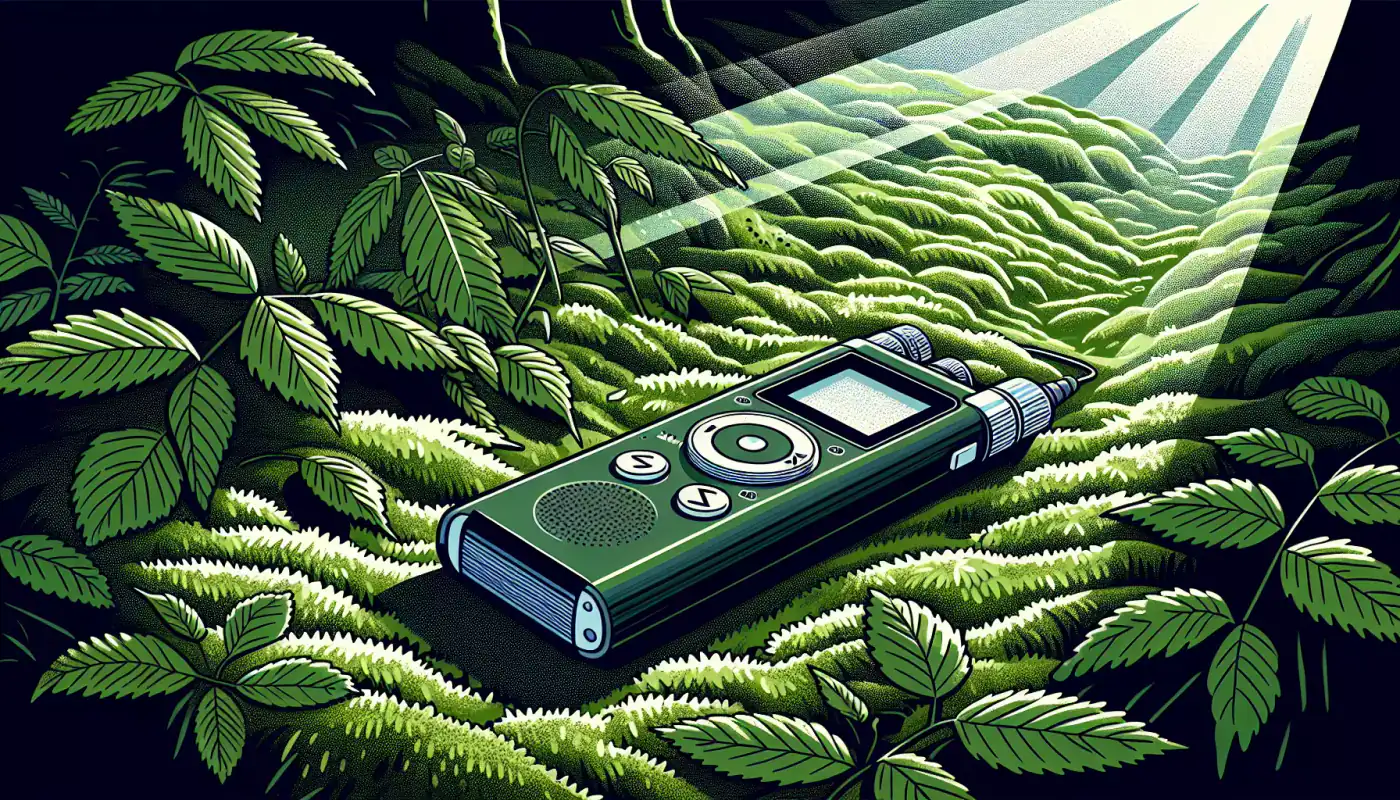
Lastly, don’t underestimate the power of spontaneity in sharing ideas. Sometimes, the most exciting concepts come from unplanned moments. Keep a recording device handy—whether it’s a smartphone or a portable recorder—to capture ideas as they emerge during informal jam sessions. Set aside a few hours for free experimentation where no idea is too outlandish. This can lead to unforeseen breakthroughs and a deeper bond among collaborators as you collectively explore the artistic landscape of psytrance.
Finalizing and Promoting Collaborative Works
Finalizing the details of your collaborative work is a critical step that can significantly impact its reception within the psytrance community. Once you’ve completed your track, the first task is to ensure that every element is polished and cohesive. Take the time to listen to the final mix critically, checking for balance across all frequencies and ensuring that each artist’s contributions are showcased appropriately. Utilizing tools such as EQ, compression, and reverb can help achieve that polished sound characteristic of high-quality psytrance. It’s often beneficial to involve another set of ears—consider reaching out to a fellow musician or a trusted friend in the scene for feedback before finalizing the track. This external feedback can catch any nuances that may be overlooked by the collaborators involved in the production.
Once you’re satisfied with the mix, focus on the mastering process. Mastering is the final step in production and can make a significant difference in how the track sounds across different playback systems. If you’re not familiar with mastering, you may want to hire a professional mastering engineer who specializes in psytrance. They understand the genre’s unique demands and can ensure that your track translates well across clubs, festivals, and home listening environments. Alternatively, for those looking to master their own tracks, leveraging tools like LANDR or iZotope Ozone can provide the necessary resources and presets to get started.
After mastering, it’s time to decide on a release strategy. Consider whether you want to drop your collaborative track as a single or as part of a larger EP. Releasing it as part of a compilation series can also increase exposure within the psytrance community. Research various labels known for their work in the genre and familiarize yourself with their submission policies. When reaching out to labels, present a compelling pitch that includes your track, a short description of the collaboration, the individual artists involved, and links to previous works. A professionally crafted press release can significantly enhance your chances of being noticed in a crowded field.
Equally important is the promotion of your collaborative work. Utilize social media platforms to announce the track’s release and share teasers—short snippets, artwork, or behind-the-scenes videos showing the creative process. Instagram, Facebook, and Twitter are excellent channels for engagement, but don’t overlook the importance of specialized platforms like SoundCloud and Bandcamp, where fans of psytrance often seek new music. Engage with your audience by asking for their thoughts and encouraging shares, which can exponentially increase your reach.
Create eye-catching visuals for your track. Collaborating with a visual artist can elevate your project significantly. Consider using techniques that reflect the psychedelic nature of psytrance, such as vibrant colors and abstract shapes. Music videos or visualizers can also enhance the listening experience, attracting viewers to the audio content. Platforms like YouTube and Vimeo are excellent for this purpose, allowing you to reach a broader audience.
Don’t forget the importance of live promotion. Think about organizing a release party or a live-set performance featuring all collaborating artists. This not only celebrates your achievement but also brings together fans and creators in an immersive environment. If live shows are not feasible, consider doing an online listening session or stream. Engaging with your audience in real-time can create hype around the release and foster a deeper connection with listeners.
Finally, leverage the power of networking within the psytrance community by reaching out to other artists you respect. Ask them to share your work with their followers. Collaborating artists should mutually promote each other’s contributions, which can significantly expand the audience base. This reciprocal relationship is common in the genre and can lead to further opportunities, deepening collaborations and community ties.