- The role of tempo in psytrance
- Elements influenced by tempo
- Tempo and listener perception
- Comparative analysis of tempos
- Case studies and examples
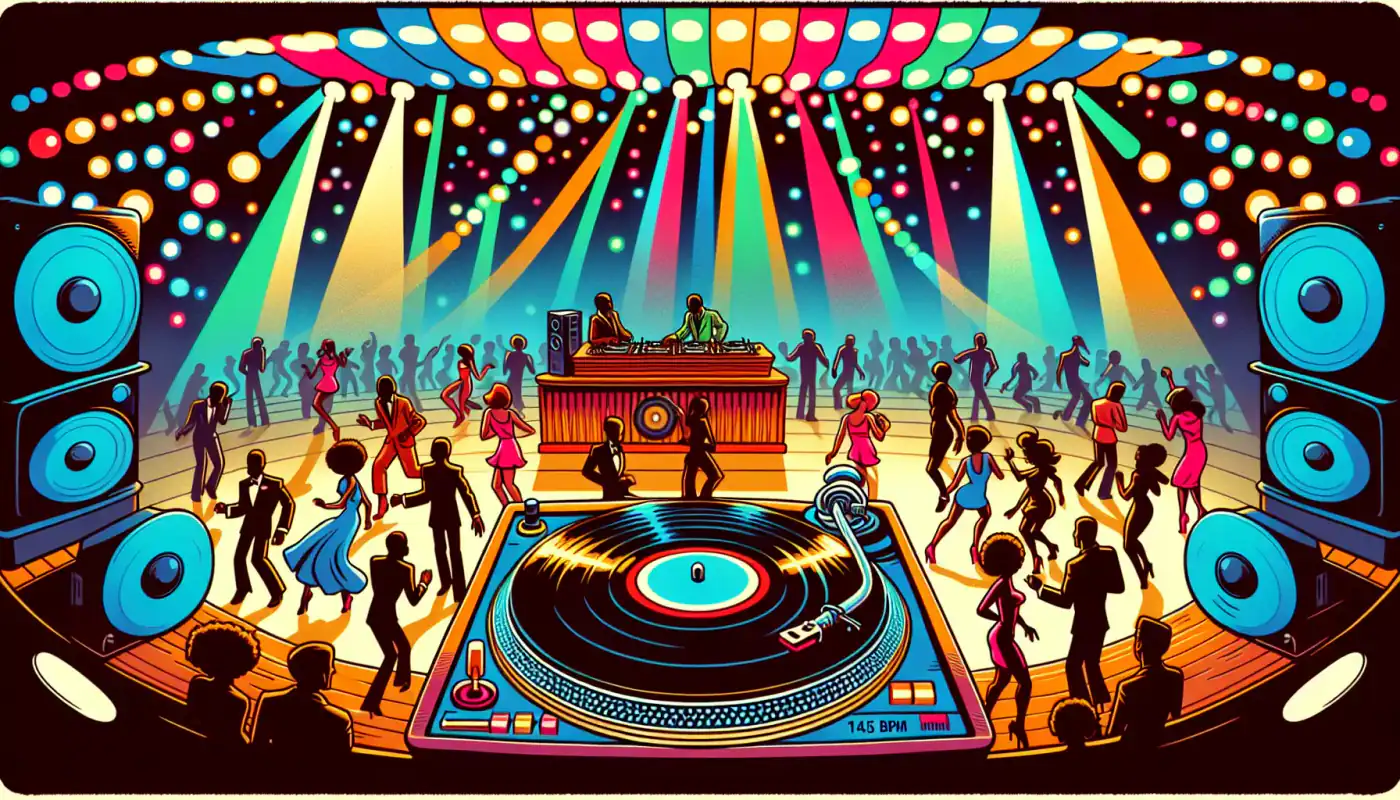
In psytrance, tempo serves as a foundational element that influences not only the shape of the music but also how it interacts with listeners on a psychological and physiological level. Unlike many other genres, where tempo might simply dictate the speed of the track, in psytrance, it plays a crucial role in creating the desired energy, atmosphere, and emotional response. Common tempos typically range from 130 BPM to 150 BPM, with many tracks optimized around the 145 BPM mark, as this is believed to induce a trance-like state that enhances both dancing and listening experiences.
The choice of tempo directly affects the genres’ signature elements, such as the intricate bass lines and the rapid-fire percussion that often characterize psytrance music. A faster tempo allows for more complex layering and rapid shifts in sound, creating an intense auditory experience. As producers select their tempo, they must also consider how it works with other elements like synth melodies, percussion patterns, and effects. The result is a rich tapestry of sound that can evoke various emotional responses from listeners.
Moreover, the tempo can significantly influence the energy levels throughout the track. In a high-tempo composition, elements such as staccato synths and dynamic breaks are often utilized to maintain momentum and excitement. Conversely, a slower tempo may lead to longer builds and atmospheric pads, fostering a more meditative state that encourages introspection and a deeper connection to the music. Understanding this dynamic is essential for producers looking to craft tracks that resonate with their audience.
It’s also essential to note the cumulative effect of tempo on the overall arrangement of a track. At higher tempos, transitions and drops may need to be tighter and more impactful to maintain energy, emphasizing the importance of precise editing and sound design. Conversely, a slower tempo can afford more space for nuance, allowing each sound to breathe but also requiring careful attention to avoid loss of listener engagement. Consequently, working within the constraints of chosen tempo can foster creativity, pushing producers to develop unique solutions to complement their intended sound.
Elements influenced by tempo
In the realm of psytrance production, various elements are intricately shaped by the chosen tempo, resulting in significant differences in how tracks are constructed and perceived. One of the most obvious impacts involves the bassline, the cornerstone of any psytrance track. At higher tempos, basslines tend to become more syncopated and complex, often featuring rapid repetitions and intricate variations that drive the energy of the track. This complexity not only captivates the audience but also ensures that dancers remain engaged on the dance floor by providing a pulsating foundation that matches the track’s brisk pace.
Another critical element influenced by tempo is the drum programming. A faster tempo allows for more aggressive percussion patterns, employing techniques such as rolls and fills that can add excitement and dynamic tension. Producers often experiment with layering multiple percussion instruments, creating a polyrhythmic texture that feels alive and ever-changing. On the other hand, in slower tracks, drums may adopt a more chilled-out vibe, focusing instead on groove and flow, where emphasis shifts from speed to maintaining a steady rhythm that fosters a more immersive atmosphere.
Furthermore, the melodic components of psytrance, particularly synth melodies, are also deeply affected by the tempo. At higher BPMs, melodies tend to be sharper and more frenetic, characterized by rapid arpeggios and quick note transitions. This style serves to augment the energetic backdrop provided by the bassline and drums. In contrast, a slower tempo encourages the use of longer notes and extended harmonies, allowing melodies to unfold gradually, which can produce a hypnotic effect that draws listeners into a deeper emotional connection with the music.
The incorporation of effects such as reverb and delay also varies with tempo. At a faster pace, effects may be applied sparingly or used to create tight, rapid echoes that align with the track’s driving force, enhancing the already frenetic atmosphere. Conversely, in slower tracks, there is room for expansive spatial effects that can broaden the perceived soundscape, allowing listeners to experience each sound’s resonance more deeply. This creates an opportunity to connect with the music in a contemplative manner, shaping a different emotional landscape compared to quicker tempos.
Additionally, melodic leads may adapt their style based on the tempo. High-tempo tracks might feature staccato leads that intersperse between rapidly changing bass rhythms, engaging the listener’s mind and body simultaneously. In slower compositions, gradual lead changes and longer sustained notes can highlight emotional depth, giving listeners a chance to reflect on the sound journey as it unfolds. The difference in approach not only affects how these elements interact but also the way they contribute to the overall impact of the track, ultimately defining what makes psytrance a unique and engaging genre.
Lastly, the relationship between tempo and structure cannot be overlooked. The overall arrangement of a track is often dictated by its BPM. Faster tempos typically lead to shorter sections with quick transitions, maintaining an exhilarating pace that demands more involvement from the listener. In contrast, pieces created at slower tempos can embrace longer, more drawn-out sections that create a sense of narrative flow, allowing for thematic development over time. This flexibility in structure, influenced by tempo, is a crucial aspect for producers aiming to forge a distinct sound within the expansive landscape of psytrance music.
Tempo and listener perception
The perception of tempo in psytrance music influences how listeners experience the track both physically and emotionally. A key aspect of this perception lies in the body’s natural response to rhythmic music. Fast tempos can create a sense of urgency and excitement, making the listener feel energized and motivated to move. This connection between physiological responses and the music emphasizes the importance of tempo as an underlying factor in enhancing the dance experience. The body naturally aligns with the beat, and as the tempo increases, it encourages faster movement and heightened physical engagement during dance. This phenomenon is evident at live events, where audiences often seem to mirror the BPM of the tracks played, creating an electrifying collective experience.
Moreover, listener perception can be influenced by the way certain features of the music are highlighted through the tempo. For instance, in tracks with a faster BPM, listeners may focus more on the driving basslines and quick-fire percussion, while in slower tracks, the attention may shift towards subtler elements such as atmospheric sounds and sweeping melodies. This shift in focus not only changes what is emotionally resonant at different tempos but also dictates how the audience interacts with the overall musical narrative. Producers must carefully consider these factors, ensuring that the rhythmic elements align with their intended emotional journey for the listener.
The tempo also plays a significant role in shaping how various musical forms and structures are perceived. For instance, a quick tempo can lead to a sense of exhilaration, creating an experience of peak moments where listeners feel uplifted or even euphoric. On the other hand, tracks sustained at a lower tempo often evoke feelings of nostalgia or introspection, inviting listeners to delve deeper into their personal experiences and emotions. This capacity to elicit contrasting emotional responses based solely on tempo highlights an essential aspect of psytrance music production. The challenge for producers is to match the tempo with sound design, ensuring that the emotional contours of the track resonate with the audience’s expectations and experiences.
Another interesting factor is the perception of changes in tempo within a track. A sudden increase in BPM can create a dramatic effect, often emphasized by transitional elements like risers or builds that prepare the listener for the shift. This sudden change can evoke surprise or excitement, prompting a powerful reaction on the dance floor. Conversely, a gradual decrease in tempo often signals a winding down or a reflective moment, encouraging listeners to absorb the soundscape and cultivate a deeper connection to the music. By strategically implementing these tempo changes, producers can manipulate listener perception, driving not just physical movement, but also emotional engagement throughout the track.
Studying audience reactions to various tempos reveals patterns in how music can impact mood and social interaction. For instance, tracks at around 145 BPM, a common tempo in psytrance, are particularly effective at inducing a communal experience, allowing many individuals to sync their movements and energies in unison. This connection can enhance the sense of belonging among listeners, deepening their enjoyment and satisfaction with the music. Correctly navigating the nuances of tempo and its implications on listener perception is vital for any producer aiming to create engaging psytrance tracks that leave a lasting impression.
Comparative analysis of tempos
When analyzing the tempo of psytrance tracks, it becomes clear that different BPM ranges create significantly divergent musical experiences. For instance, tracks in the range of 130 to 135 BPM often prioritize ambient soundscapes and gradual builds. This slower tempo allows producers to create an immersive environment, where atmospheric pads and subtle synths can envelop the listener. In these compositions, the tension builds over time, leading to remarkable drops that can feel euphoric when they finally arrive. Such pacing encourages calm engagement and meditation, drawing listeners into a deep auditory realm.
In contrast, stepping up the tempo to the 140 to 145 BPM range introduces a heightened sense of urgency. Tracks here often feature fast-paced basslines and intricate drum patterns that spiral into a whirlwind of energy. This tempo is frequently used to drive dance floors, as the rapid beats compel physical movement. Listeners experience intensified rhythms, stimulating both body and mind, creating a vibrant atmosphere rife with excitement. Artists making tracks at these BPMs often leverage rapid hi-hats and snappy snares to add bite to the sound, maintaining engagement with intricate polyrhythms that build continuously.
Furthermore, reaching around 150 BPM marks the tempo where compositions often become chaotic yet exhilarating. In this zone, the lines between melody and rhythm blur, leading to more experimental arrangements. Such compositions frequently incorporate faster melodies, rolling basslines, and quick percussion to drive the pace further. Even elements commonly considered stationary in slower compositions, like atmospheric pads, are altered to resonate with this frantically quick tempo, allowing them to intertwine seamlessly with the frenetic energy of the track.
Within the comparative spectrum of these different tempos, the perception of every sonic element is altered. For example, fx choices take on new dimensions — at lower tempos, reverb might be used to create spaciousness, whereas at higher tempos, that same effect can be reduced to a tighter, quicker delay that complements the driving rhythm. The emotional impact on the audience also changes drastically across BPM ranges; lower BPMs might inspire feelings of tranquility or introspection, whereas increasing tempo often invokes feelings of exhilaration and communal energy as dancers synchronize with the music.
To further illustrate how various tempos shape the traits of tracks, examining existing psytrance compositions can yield enlightening insights. A case study of a well-known artist reveals that their slower tracks typically feature lush, evolving soundscapes coupled with elongated build-ups, leading to a gradual crescendo. In contrast, their faster tracks often explode into fast, frenetic sections filled with a flurry of rhythmic activity, demanding greater physical interaction from the audience. The variance in approach to these two tempo categories shows the necessity for careful consideration regarding how chosen BPM influences both the creation and execution of the track.
The comparative analysis of tempo within psytrance reveals not only technical differences in music production but also profound implications for listener experience. Each tempo range invites different arrangements, sound choices, and emotional contexts, allowing producers to craft tracks that resonate with varying depths of engagement. This understanding ultimately empowers artists to make knowledgeable decisions that align with their creative vision while ensuring highly impactful listening experiences for their audiences.
Case studies and examples
Examining the diverse outputs of artists within the psytrance scene offers a valuable lens through which to understand the profound influence of tempo on track development and listener experience. For instance, the work of artist A, known for their captivating tracks in the 135 to 140 BPM range, illustrates how a slightly slower tempo can create rich layers of atmosphere. In their track “Ethereal Waves,” each element is meticulously crafted to build tension gradually, utilizing extended pads and subtle synth textures that create a sense of travel through sonic landscapes. Here, the slower tempo invites listeners to become more introspective, encouraging them to lose themselves in the nuanced soundscapes.
In sharp contrast, artist B, who typically produces tracks at around 150 BPM, demonstrates an entirely different application of tempo. Their track “Radical Spiral” showcases the chaotic yet exhilarating energy that comes with high BPMs. The breakneck speed allows for frenetic drum patterns and complex bass sequences that invite intense physical movement. As the rhythm accelerates, the track employs a multitude of quick hi-hats and rapid melodic arpeggios that maintain momentum, captivating dancers and pushing them into a euphoric state. The impact of faster tempo on listener engagement is palpable here, as the energy levels soar, transforming the dance floor into a unified wave of motion.
<pExploring the contrasting approaches of artists C and D, who both experiment within the psytrance genre but at different tempos, reveals even further insights. Artist C often produces tracks at around 140 BPM, focusing on driving energy while integrating atmospheric elements that swell and recede. Their track “Celestial Drift” expertly balances high-energy components with sections that permit melodic exploration, a testament to the flexibility achievable within this mid-range BPM. The rhythmically intricate layering, facilitated by the chosen tempo, allows them to create moments where listeners can plunge deep into the trance-like experience before launching back into energetic peaks.
On the other hand, artist D opts for even slower tempo at 125 to 130 BPM, which allows for exploratory sound design and emotional depth. Their piece “Reflective Gaian” is characterized by longer atmospheric build-ups, where every sound is given ample space to breathe, creating a meditative environment that deeply connects with the audience. This slower pace encourages listeners to reflect on their feelings and experiences, showcasing how tempo can dramatically pivot the emotional narrative an artist aims to convey.
These case studies exemplify how understanding tempo is not merely about choosing a speed but also about shaping the core identity of the track itself. Between the immersive, atmospheric exploits of slower tempos and the explosive energy of higher BPMs, each artist manipulates the impact of tempo with intentionality, ultimately guiding the listener’s journey through both physical and emotional landscapes within the vibrant world of psytrance music. Above all, these examples serve as reminders of the vast potential that lies in manipulating tempo and highlights the necessity for producers to experiment within their own creations to fully realize the soundscapes they wish to evoke.