Music Production
High-pass filters in psytrance production
What a high-pass filter does, how it keeps a psytrance mix clean, and how to use cutoff sweeps and modulation for movement and tension, section by section.
Layering, snare rolls, risers, filters, harmony and the last bar before the drop: what makes a psytrance build-up work, and how to pace it.


The build-up is where a psytrance track makes its promise. Done well, the whole floor knows something big is coming and waits for it. Done badly, it is just a noise sweep before the next loop. Here is what goes into a build-up that works.
A build-up needs room to grow, so it usually starts thinner than the section before it. Drop the bass, or strip the drums down to the kick or to nothing, and leave a pad, a motif or a vocal snippet. From there, add elements step by step: hi-hats, claps, percussion, a second synth line. Each new layer should have a reason to be there; piling everything in at once only makes it louder, not more exciting.
The reverse also works. Take percussion out entirely, let a pad swell on its own, then bring the drums back in denser patterns. That push and pull creates more tension than a straight line upwards.
Chords and melodies can carry tension too. Dissonant intervals create unrest that wants to resolve; moving to more consonant harmony as you approach the drop gives a feeling of arrival. Changing between minor and major, or using an unexpected chord, can surprise the listener in a good way. A shift of the bass or chords to a higher key right at the drop lifts the energy.
Vocal snippets work as hooks: a short phrase, a chant or a manipulated sample that the crowd can latch onto. Keep them in the background as atmosphere rather than letting them take over.

The transition into the drop decides how hard it hits. Common moves:
A well-placed pause is often more powerful than one more layer. The contrast between almost nothing and the full kick and bass is what makes the drop feel big.
There is no fixed length for a build-up. A long, slow climb can make the drop more rewarding; a short, fast one gives an immediate burst of energy. Try different lengths in the same track and listen to which one feels right. Within a build, vary the rate of change: stretch some parts and compress others, so it doesn't feel mechanical.
Study the build-ups in tracks you love. Count the bars, note when each element enters, which filters move and how the last bar before the drop is handled. Then try the ideas in your own work and use what fits your style. If you get the chance to play a track out, watch the floor during the build: it tells you quickly whether the tension lands.
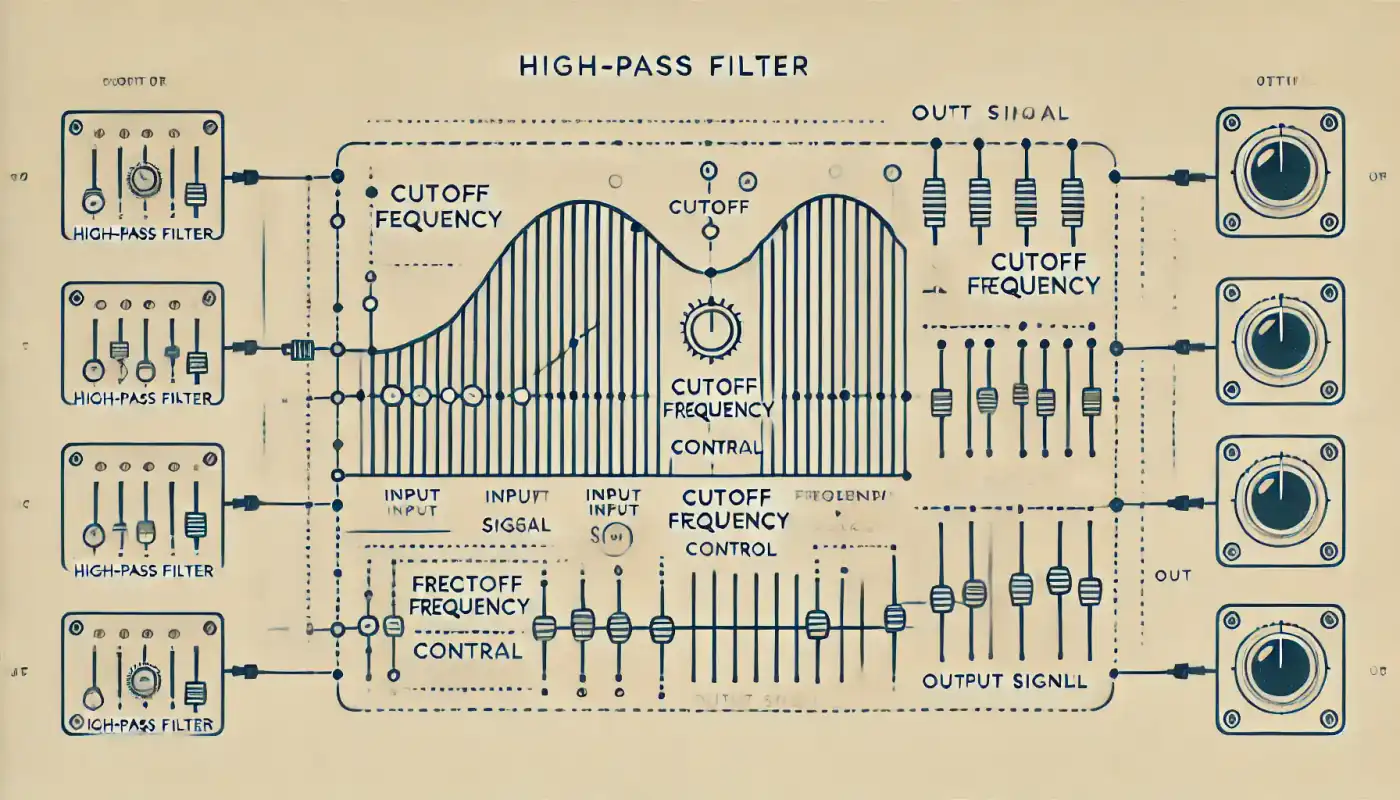
What a high-pass filter does, how it keeps a psytrance mix clean, and how to use cutoff sweeps and modulation for movement and tension, section by section.
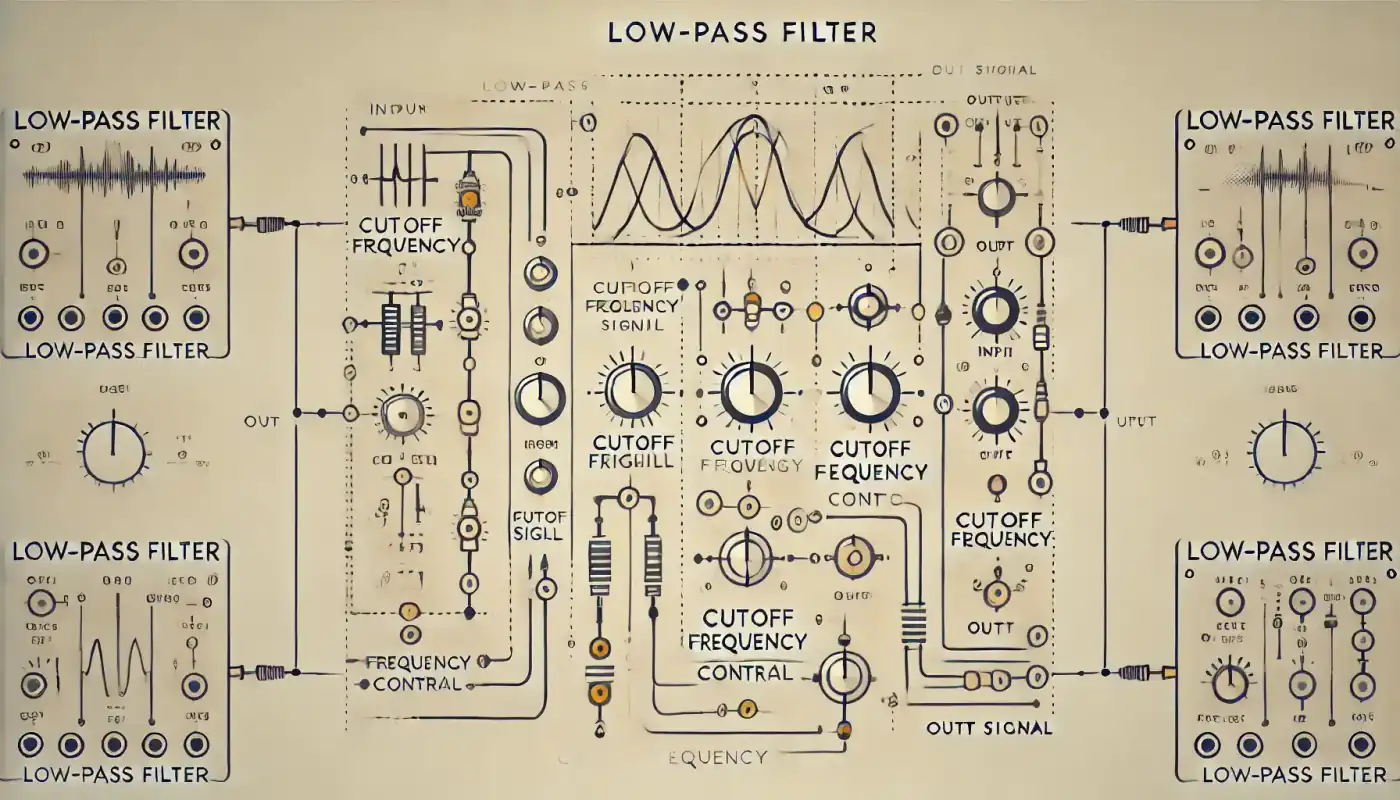
Cutoff, resonance and slope explained, plus how to use the low-pass filter on basses, leads and pads, for movement, in the mix and across a whole track.

Why fresh ears catch what you miss, how to ask for useful feedback, what the dance floor tells DJs and producers, and why giving feedback matters too.