- The origins of psytrance
- The rise of rave culture
- Key characteristics of psytrance music
- Iconic psytrance festivals
- Psytrance and its cultural impact
The origins of psytrance can be traced back to the late 1980s and early 1990s in Israel and parts of Europe, where traditional electronic music began to evolve into a variant characterized by its unique tempo and sound. The genre emerged from a blend of trance, acid house, and goa trance, with early influences coming from the psychedelic rock of the 1960s and 1970s. Artists and producers of this time experimented with synthesizers and samplers to create psychedelic soundscapes that were rich in melody and rhythm, aiming to induce altered states of consciousness in listeners.
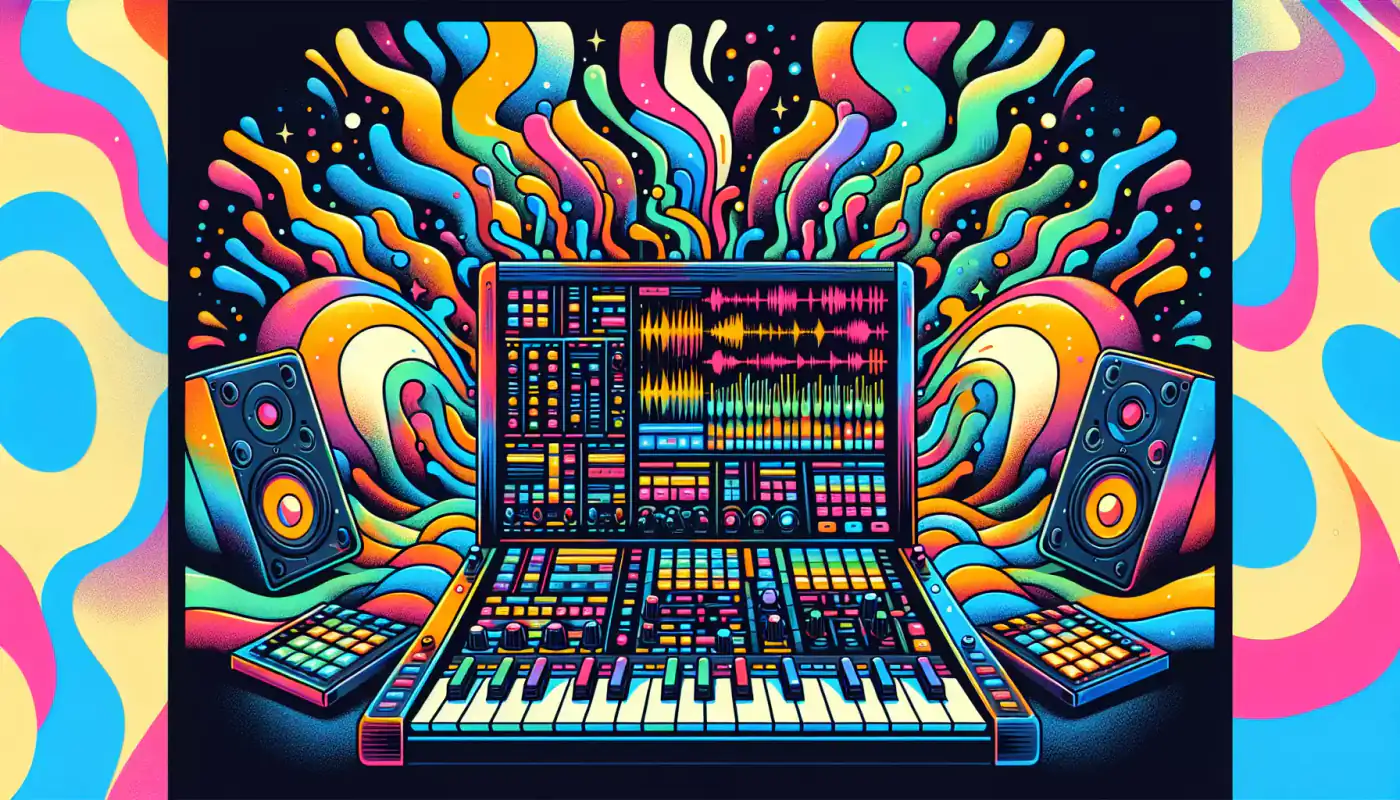
Understanding the technology behind psytrance production is essential for anyone looking to create tracks in this genre. The foundational tool for many producers is the Digital Audio Workstation (DAW). Popular choices include Ableton Live, FL Studio, and Logic Pro, each offering a variety of features for sound manipulation and arrangement. Starting a track generally involves selecting a tempo that ranges from 135 to 150 BPM, which is crucial for maintaining the energetic feel that defines the genre.
Once in a DAW, producers typically begin by laying down a strong and driving kick drum on each beat, complemented by a snare or clap on every second and fourth beat. The bassline follows closely, often utilizing a rolling pattern that adds momentum. A common technique is to use a sidechain compression effect, where the bassline is ducked by the kick drum, creating a pumping sensation that is emblematic of psytrance.
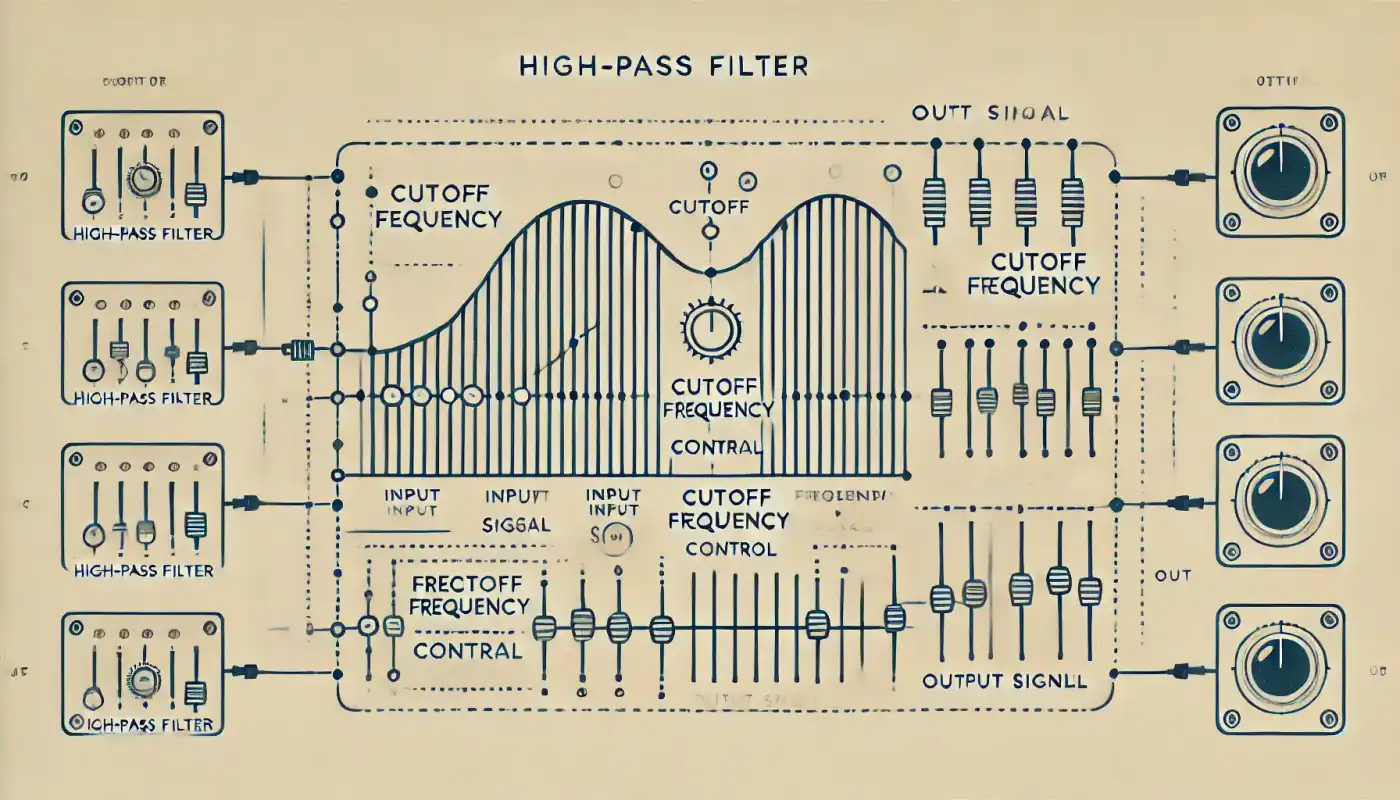
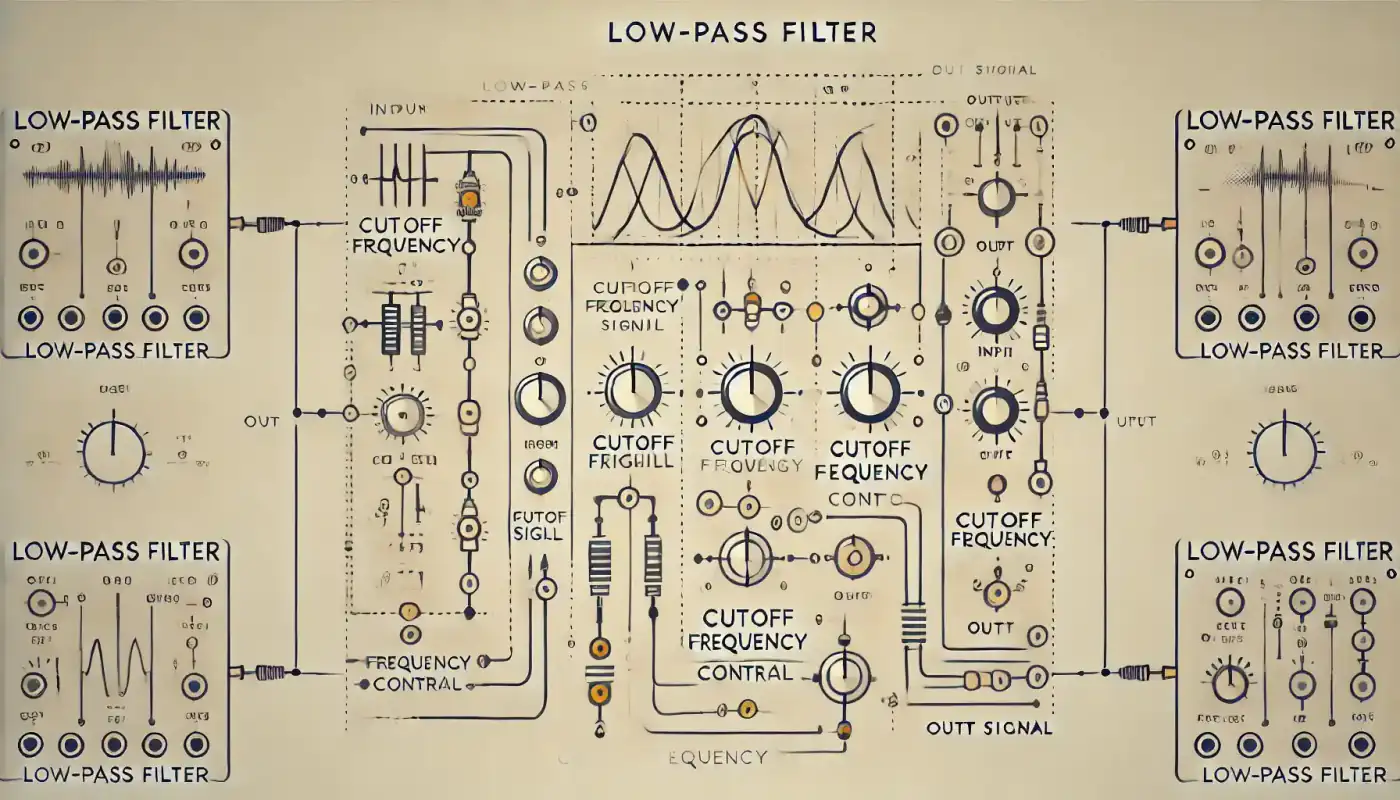
Sound design plays a pivotal role in the creation of distinctive psytrance tracks. Synthesizers like Sylenth1, Massive, and Serum are frequently utilized to craft the signature lead sounds and atmospheric pads. Experimenting with modulation of filters and oscillators can yield unique and evolving sounds that engage the listener. Furthermore, adding effects such as reverb, delay, and various distortions contributes significantly to the immersive experience that psytrance aims to deliver.
Arranging the track requires a keen understanding of dynamics and flow. Producers often employ build-ups and drop techniques to create tension and release throughout the track. This can involve introducing new elements gradually, such as additional percussion, arpeggiated synth lines, or field recordings that enhance the psychedelic atmosphere. As the track progresses, it’s essential to keep the energy level consistent while surprising the listener with unexpected changes or complex polyrhythms.
Finally, the mixing and mastering stage is critical in ensuring the track sounds polished and professional. This includes balancing levels, EQing each sound to reduce muddiness, and adding compression to control dynamics. A properly mastered track will translate well across various sound systems, an essential factor for tracks intended for the lively settings of psytrance festivals and raves.
The rise of rave culture
The rise of rave culture in the late 1980s and early 1990s was instrumental in shaping the landscape of psytrance music. As electronic music began to proliferate, clandestine parties and warehouse raves became the focal points for communities seeking alternative forms of expression and celebration. The fusion of light shows, psychedelic visuals, and high-energy music created an immersive environment that attracted diverse audiences. Rave culture emphasized a sense of unity and euphoria, with the underlying philosophy of peace, love, and respect guiding the experiences of attendees.
These underground gatherings played a critical role in popularizing the sound of psytrance. As DJs spun tracks that combined hypnotic rhythms and ethereal melodies, a unique subculture emerged, intertwining a rich history of both electronic music and countercultural movements. Early psytrance artists such as Infected Mushroom and Hallucinogen became synonymous with the rave scene, delivering exhilarating sets that left dancers in a trance-like state.
The evolution of this culture was further fueled by the technological advances in music production that coincided with the rise of rave events. With affordable synthesizers and sammplers becoming widely accessible, budding producers began to experiment with creating their own sounds, leading to an explosion of psytrance tracks that proliferated in rave circuits worldwide. As globalization took hold, psytrance also adopted influences from various cultures, reflecting a blend of musical styles that transcended geographical boundaries.
During this time, the concept of ‘free parties’ also gained traction. These unofficial raves were often organized in remote locations, aiming to create a space free from the constraints of commercialism. This aspect of rave culture resonated deeply with the ethos of psytrance, as artists and attendees sought genuine connections through music and shared experiences, further nurturing a sense of community. The dance floor became a sanctuary for spiritual exploration, where individuals could connect not only to the music but also to one another in a collective journey.
In addition to music, visual artistry became a fundamental component of the rave scene. The use of psychedelic art and imagery in flyers, projections, and installations helped to enhance the overall sensory experience. These visuals often mirrored the mind-bending music of psytrance, creating a holistic atmosphere that engaged multiple senses. As a result, many artists began to collaborate with visual designers to create shows that were cohesive and transformative, amplifying the connection between sound and sight.
As rave culture continued to expand, larger festivals began to emerge, offering immersive experiences that integrated all elements of the scene. These festivals became vital platforms for psytrance artists to showcase their work, allowing producers to reach larger audiences while fostering an environment of shared joy and acceptance. The legacy of this period laid the groundwork for the ongoing popularity of psytrance, solidifying its place in the broader electronic music landscape and ensuring that its spirit of innovation and community remains alive.
Key characteristics of psytrance music
To truly grasp the essence of psytrance, one must delve into its key characteristics, which serve as the building blocks of its unique sound and aesthetic. Central to this genre is the use of a distinctive tempo, typically ranging from 138 to 145 BPM. This brisk pace energizes dance floors and facilitates an exhilarating experience while making it important for producers to craft rhythmic patterns that complement this speed.
The cornerstone of psytrance is its iconic kick drum. A solid, punchy kick forms the foundation of nearly every track, often punctuated at the low end by a rolling bassline. This bassline, characterized by its sawtooth wave synthesis, typically follows a sequence that creates an infectious groove, encouraging listeners to move. Creative approaches to bass design—such as utilizing filter modulation and layering different waveforms—add depth and complexity to the track, keeping listeners engaged throughout.
Another defining feature of psytrance is the intricate layering of sounds. Producers skillfully combine multiple layers of melodies, pads, and leads crafted through synthesizers like Spire or Omnisphere. The use of atmospheric pads helps to create an expansive soundscape, while arpeggiated sequences add movement and energy, forming a lush backdrop for hypnotic leads. The melodies often feature rapid note sequences, utilizing triplet rhythms or syncopated patterns that contribute to the genre’s distinctive hypnotic feel.
Effects play a crucial role in manipulating sound and enhancing the listening experience. Pedals or plugins for reverb, delay, and distortion are often employed to create spatial depth and a sense of otherworldliness. By adjusting parameters like feedback, modulation, and wet/dry mix, producers can design mesmerizing effects that envelope the listener, reinforcing the psychedelic aspect of the psytrance experience.
Arrangement within psytrance tracks often follows a distinctive pattern, with extended [8-16 minute] structures that allow for gradual development. An effective arrangement includes careful manipulation of tension through gradual build-ups and euphoric breakdowns. It’s common to introduce entrancing vocal samples or melodic elements during the breakdown that uplift the track’s atmosphere before driving back into high-energy phases. The use of tempo tempo shifts and dramatic drops also encourages heightened emotional responses, guiding listeners through an expansive sonic journey.
Sound design is also a key characteristic of psytrance, where experimentation with unconventional instruments and techniques can yield unexpected results. Producers often utilize techniques such as granular synthesis to transform a single sample into a complex series of sounds or utilize the extensive MIDI functionality within their DAW to create intricate harmonies. These innovative soundscapes are essential to maintaining the genre’s association with psychedelia and creativity.
Overall, creating a memorable psytrance track requires a keen ear for detail, a thorough understanding of sound manipulation techniques, and the ability to convey emotional depth through music. Those who grasp these key characteristics will not only succeed in producing tracks that resonate with listeners but also contribute to the ongoing evolution of this vibrant and dynamic genre.
Iconic psytrance festivals
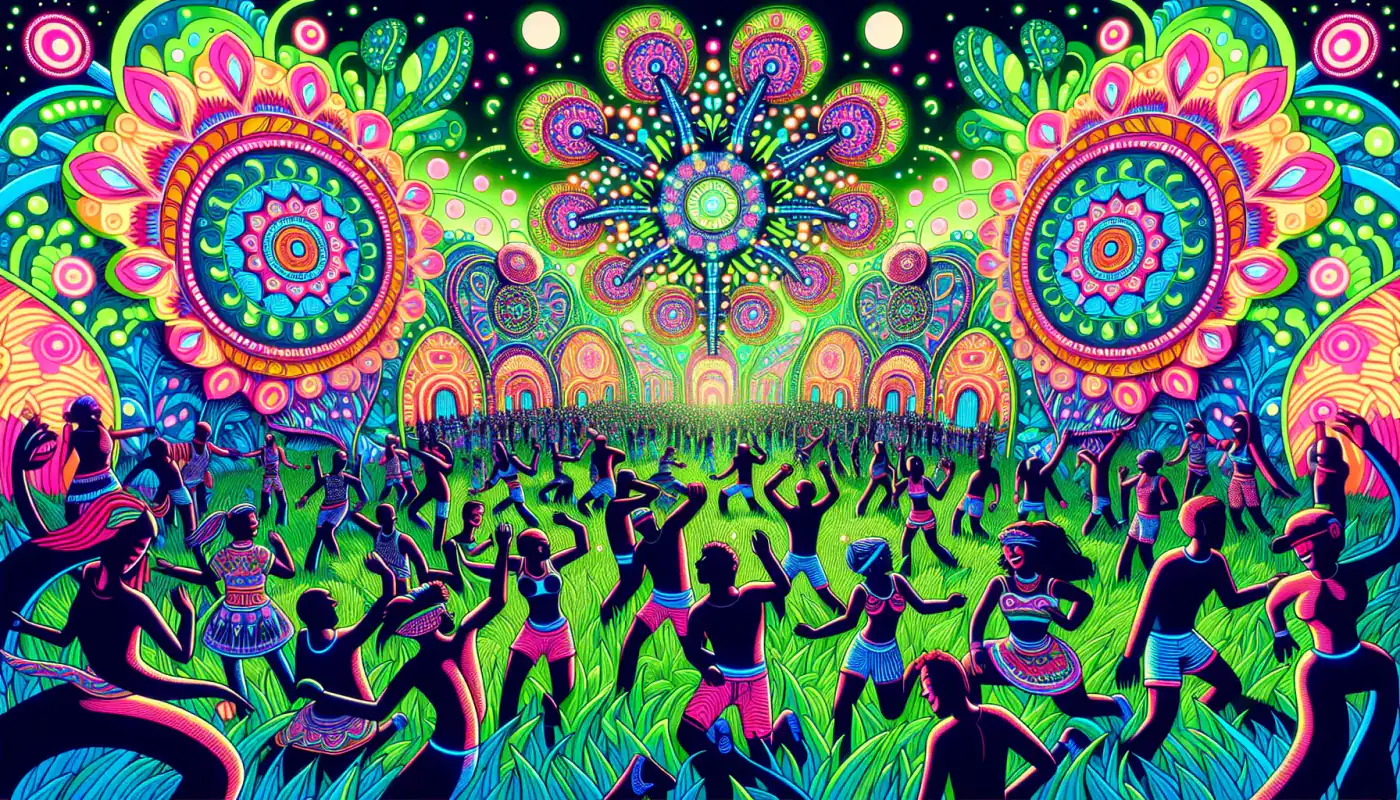
Iconic psytrance festivals serve as significant cultural touchstones, bringing together diverse audiences to celebrate the genre’s rich history. These gatherings have become essential for both emerging and established artists to showcase their music, helping to foster a sense of community while also pushing the boundaries of creative expression. One of the most well-known festivals, Boom Festival in Portugal, exemplifies this spirit, with its emphasis on sustainability, art installations, and a vibrant atmosphere that resonates with the psychedelic aesthetic of psytrance.
At festivals like Boom, attendees experience a fusion of music, art, and spirituality, reflecting the core elements of the psytrance culture. The stages are often adorned with elaborate visuals and lights that complement the hypnotic sounds being produced; these installations act as extensions of the music, creating immersive environments that transport dancers to other realms. The careful curation of lineups also plays a crucial role in maintaining this connection, as headliners and up-and-coming acts alike contribute to the overall journey of the festival.
Another significant event is the Ozora Festival in Hungary. This festival has gained international acclaim for its breathtaking surroundings and community-focused experiences. Artists from across the globe descend on this picturesque setting, merging their unique interpretations of psytrance with local culture and traditions. The emphasis on collaboration and experimentation at Ozora exemplifies the ever-evolving nature of the genre while providing a platform for cultural exchange.
Within these festival spaces, the concept of shared experience is enhanced through various workshops, interactive art displays, and communal areas. Participants can engage in activities ranging from sustainable living discussions to yoga, further promoting the holistic philosophy that underpins the psytrance community. The exchange of ideas and cultural practices enriches the atmosphere, allowing for a deeper connection not only to the music but to each other.
Moreover, iconic festivals like Rainbow Serpent in Australia and Trance Energy in Europe have also significantly impacted the psytrance culture. These events showcase the genre’s capacity to draw in massive crowds while maintaining a tight-knit community feel. With platforms for both artists and activists, these festivals become arenas for social dialogue and consciousness expansion, reinforcing the ideals of peace, love, and respect that are central to psytrance.
The history of these festivals is not merely about musical performance; it reflects a broader cultural movement that aligns with the principles of artistic freedom and communal spirit. As the genre continues to evolve, so too do these festivals, adapting to the preferences of new generations of festival-goers while remaining steadfast in their commitment to the values that define psytrance culture.
Psytrance and its cultural impact
The impact of psytrance on global culture is profound and multifaceted, influencing not only music but also art, social movements, and spiritual practices. Its emergence during the height of rave culture has established it as a vehicle for community building and personal expression, catalyzing a unique bond among individuals who resonate with its ethos. One of the most significant aspects of this cultural phenomenon is how it offers a refuge for those seeking alternative lifestyles, encouraging participants to embrace values of love, peace, and respect.
Throughout the years, psytrance has remained a powerful force against commercialism. Festivals and free parties often reject mainstream commercial norms, creating spaces that prioritize personal connection and creativity. Here, the immediate, euphoric experience of dancing united with others creates a collective consciousness that transcends individual differences. This strong community aspect has also paved the way for activist movements that advocate for environmental sustainability and social justice, merging psytrance culture with broader societal issues.
Moreover, the aesthetic of psytrance has permeated various artistic expressions, including visual arts. Artists often use hypnotic imagery and psychedelic motifs in their work, mirroring the music’s exploration of consciousness. The vibrant colors and organic shapes found in this art form enhance festival experiences while also serving as a medium for spiritual exploration. This intersection of art and sound promotes a culture of creativity and experimentation, making it an integral part of the psytrance identity.
Psychological introspection is another significant cultural dimension. Many fans and artists within the psytrance community view the music as a means to explore deeper aspects of the human experience. The immersive qualities of the genre encourage listeners to engage in self-discovery and therapeutic practices, often integrating mindfulness and meditation principles into their experiences. This melding of music with psychology fosters personal growth, making the genre not just entertainment but a transformative journey.
As psytrance continues to grow and evolve, its cultural impact is ever-expanding. New generations are incorporating their own influences, leading to hybrid genres and fresh interpretations of the sound. This evolution amplifies the genre’s reach, connecting with a broader audience while preserving the core values of its history. By fostering a sense of belonging, promoting creative expression, and exploring consciousness, psytrance will likely continue to shape cultural narratives for years to come, solidifying its status as a vital component of contemporary electronic music culture.