Music Production
How to make a psytrance track that tells a story
Choose a theme, give it a motif and a sound palette, and arrange your track like a story with intro, build-up, peak, breakdown and resolution.
From TB-303s and hardware studios to DAWs and soft synths: how psytrance production evolved, what stayed at its core and where it might go next.
The sound of psytrance has always been tied to its tools. What producers could do in the studio shaped what the dance floor heard, from the hardware setups of the 1990s to today's laptop productions. Here is how the techniques changed, and what has stayed the same.
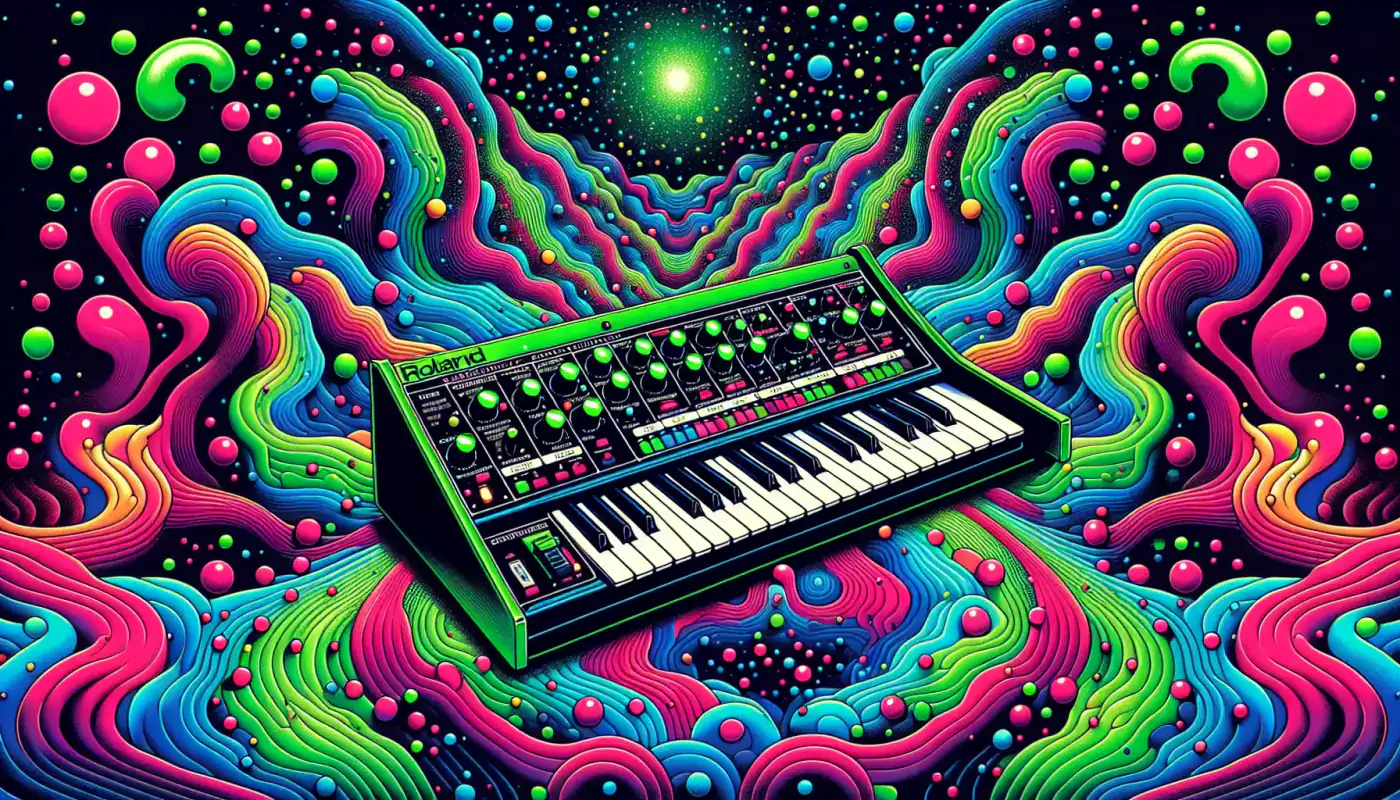
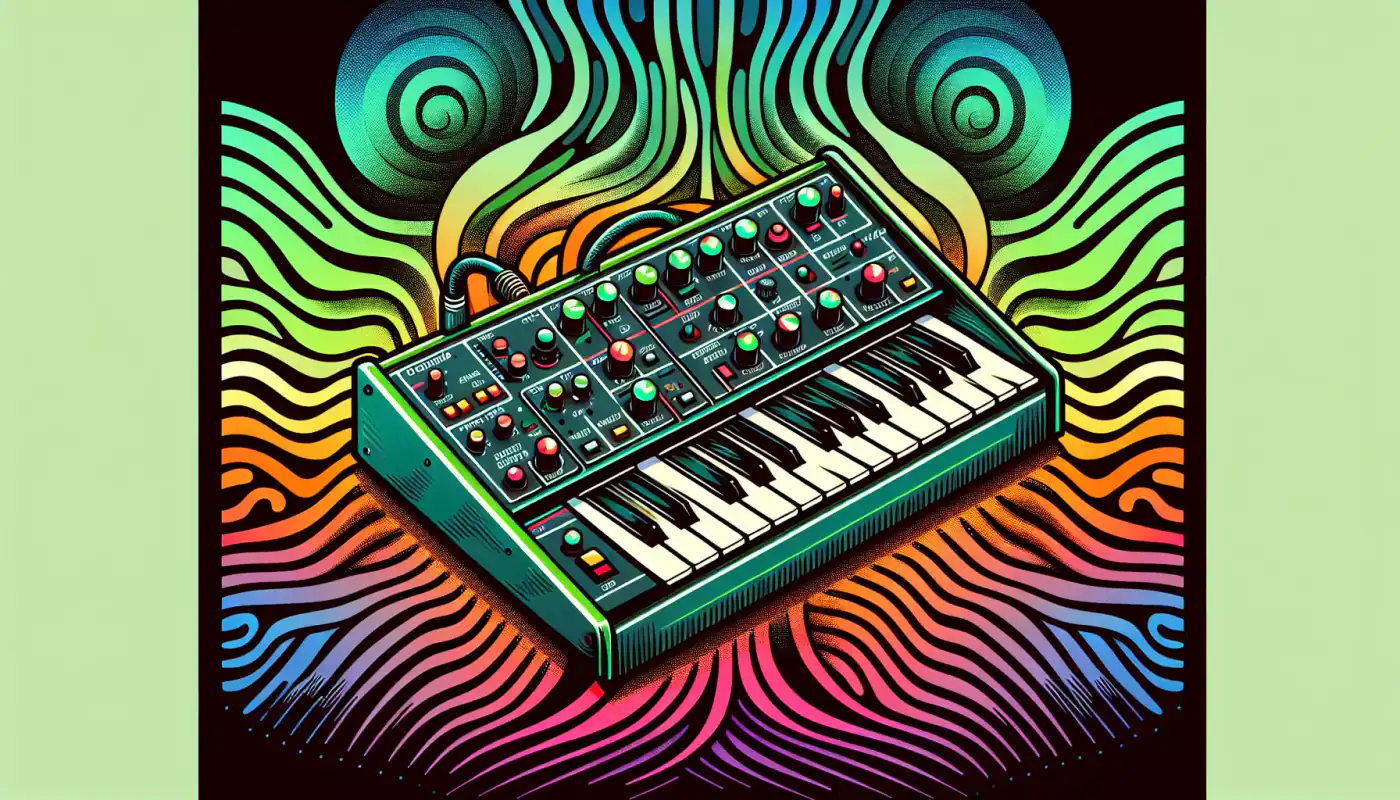
In the 1990s psytrance was made with hardware: synthesizers, drum machines and samplers, sequenced together and recorded to tape or early computer setups. Analog synths like the Roland TB-303 and the Korg MS-20 were popular, and the squelchy acid lines of the 303 became one of the hallmarks of the early sound.
Working this way was expensive and slow, but it shaped the music: layered, hypnotic tracks built from a limited set of machines, each tweaked by hand.
Digital audio workstations changed everything. Software such as Fruity Loops, later FL Studio, and Ableton Live let producers arrange and edit sound with a precision that hardware could not offer. Plugins began to emulate classic gear and added new effects and sound design options.
Software synths like Serum, Massive and Sylenth1 made complex waveforms and deep modulation available to anyone. With envelopes and LFOs on almost every parameter, sounds could evolve throughout a track. Resampling and granular synthesis, once niche techniques, became everyday tools. Thousands of VST plugins from third-party developers widened the palette further.
Hardware did not disappear. Synths from Moog and Roland are still valued, new versions of classic models add modern connectivity, and affordable analog synths such as the Korg Minilogue and Arturia MicroBrute brought hands-on sound to smaller studios. MIDI controllers give software a tactile feel, which helps both in the studio and on stage.
Despite all the new tools, the building blocks are the same:
What changed is the level of detail. Producers now stack many synth layers and fine-tune every element, so modern tracks are denser and more precise than their 1990s predecessors.
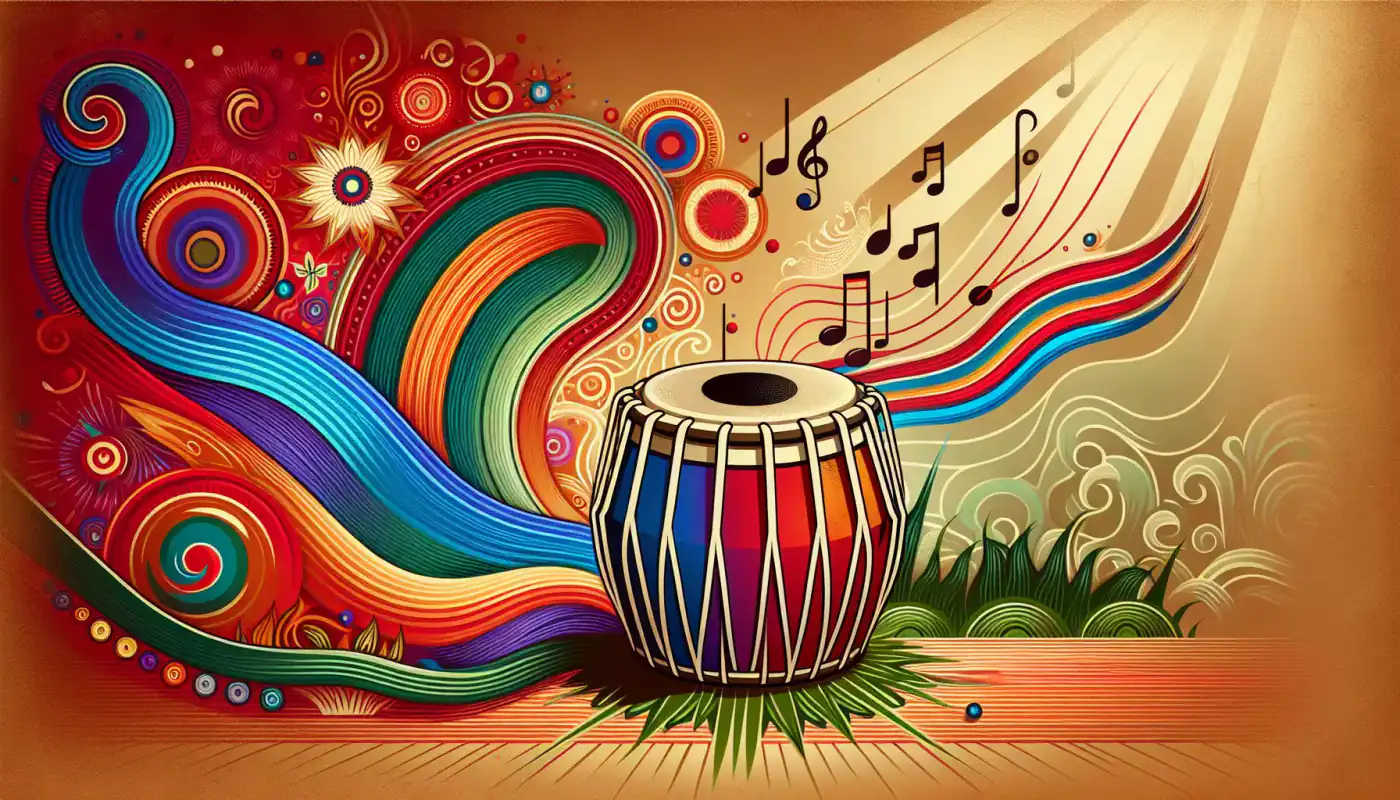
Psytrance grew out of Goa trance, and influences from Indian music, such as the tabla and drones, were part of the sound early on. Artists like Shpongle and Infected Mushroom blended traditional and acoustic sounds with their own production styles. The calmer side of the scene, with psybient and chill-out, brought organic sounds, traditional instruments and nature samples into the music.
The festival experience shaped production as well. Tracks are built for collective dancing, with arrangements that carry a crowd through builds and breakdowns. The colorful artwork and stage designs of the scene find their match in swirling pads and intricate, fractal-like textures.
Knowledge used to travel through personal contacts and sample swapping. Today online tutorials, sample packs and forums give newcomers access to techniques that took the first generation years to work out. Producers share project files and collaborate remotely across continents.
Some developments are already visible. AI tools are starting to help with composing and mixing tasks. Immersive visuals at festivals may change how live sets are designed. Blending traditional instruments with electronic sound remains a strong trend, and as psytrance takes root in more parts of the world, local musical styles feed into new hybrids. Sustainability is also becoming a bigger topic, especially for festivals.
Whatever the tools, the goal stays the same as in the 1990s: a hypnotic, driving track that keeps a dance floor moving.
Choose a theme, give it a motif and a sound palette, and arrange your track like a story with intro, build-up, peak, breakdown and resolution.
Why producers get stuck, how to spot your own patterns, and practical ways out of a block, from small challenges to new tools and collaboration.
The tools you actually need, how to organise files and templates, and why working in stages gets your psytrance tracks finished faster.