
Music Production
Synths in psytrance: an introduction
Oscillators, filters, envelopes and LFOs explained for psytrance, plus what to look for in a synth, sound design basics and tips for mixing synths.
Master the basics, borrow from the subgenres, bring in your own influences: practical steps towards a psytrance sound that is recognizably yours.
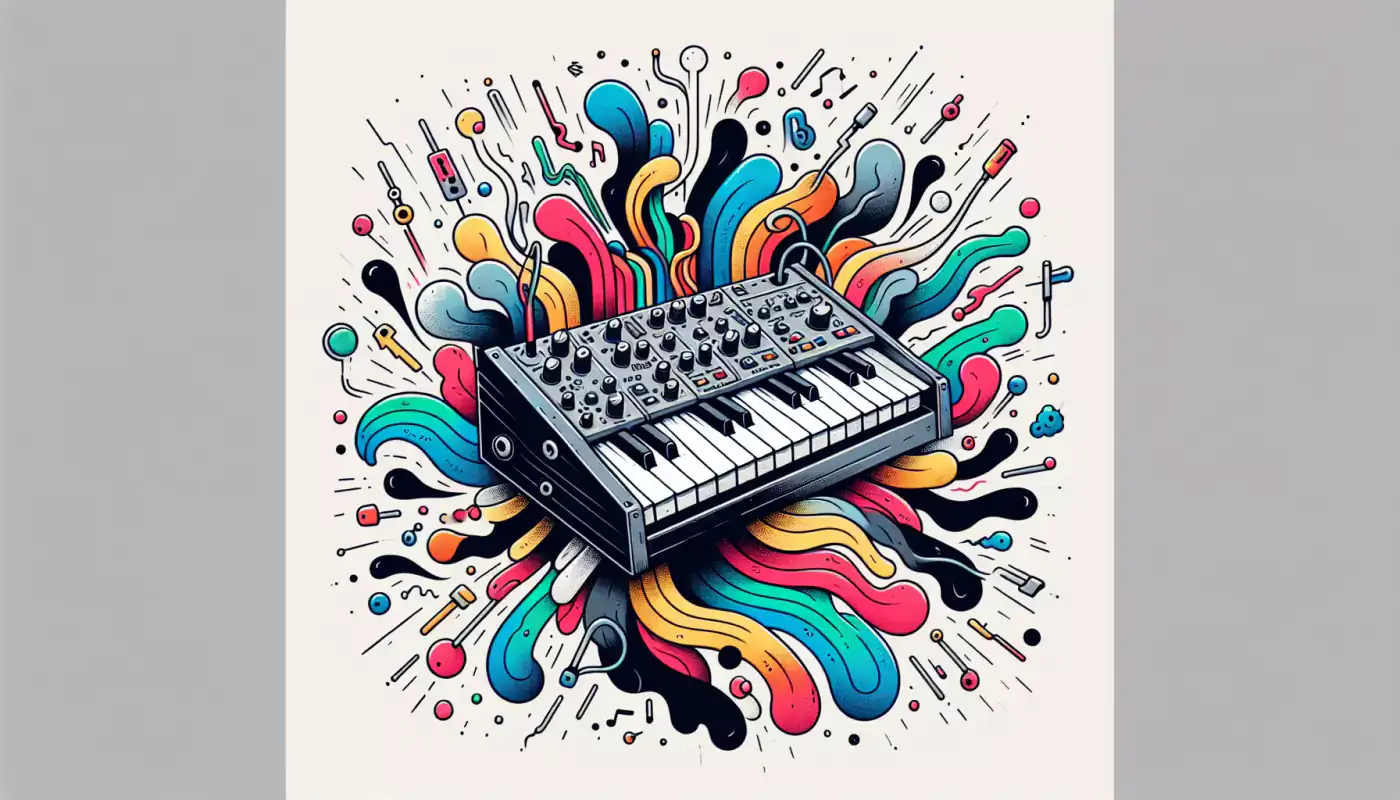
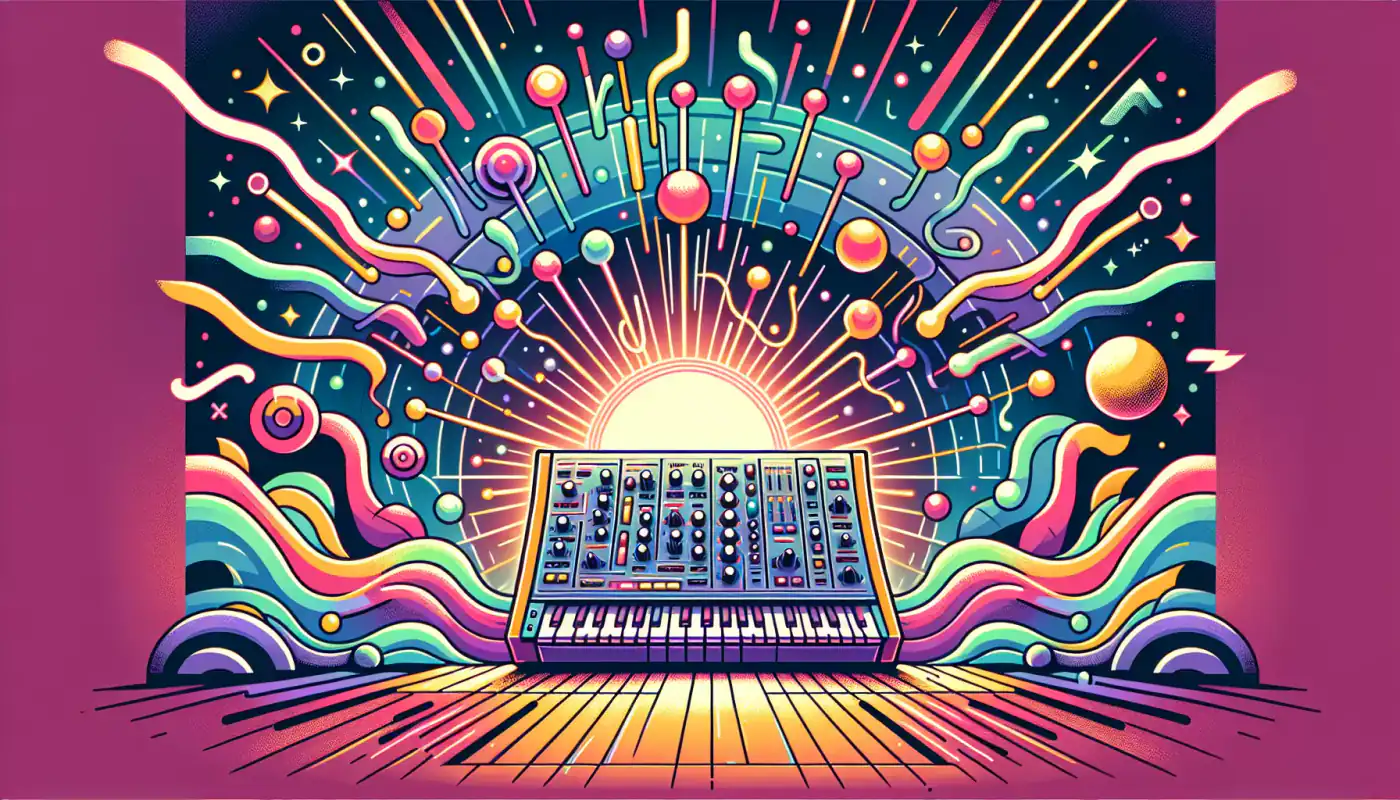
Psytrance has clear rules: a steady four-to-the-floor kick, a rolling bass, long tracks built for the dance floor. That makes it easy to sound like everyone else. A style of your own comes from knowing those rules well, choosing which ones to bend, and bringing in what only you bring. Here is where to start.
Before you can break the rules, you need to master them. Most psytrance runs at roughly 135 to 150 BPM, with the kick on every beat and the bass filling the gaps between the kicks. Learn to make that kick and bass sit cleanly together, and learn how a typical track is built: an intro that DJs can mix, a main groove, breakdowns that give the dance floor a moment to breathe, and build-ups that bring the energy back.
Sound design is where much of a producer's character shows. Spend time with one or two synths, whether hardware like the Virus TI or software like Serum or Massive, until you know them well. Small changes to filter resonance, envelopes and modulation turn a smooth sound into an aggressive one and back. FM and wavetable synthesis widen the palette further.
Each psytrance subgenre has its own tools, and studying them gives you ideas to borrow.
You do not have to pick one. Plenty of distinctive producers combine elements, for example the patience of progressive with the sound design of dark psy. Notice which parts of each style you keep coming back to. Those preferences are the raw material of your own sound.
What you listen to outside psytrance is often what sets you apart. A background in dub might show in deep basslines and spacious delays. If you love ambient, evolving textures and pads can become your foundation. Glitch and granular techniques can come from electronica you enjoy.
Samples are another way to make a track personal. Field recordings, nature sounds, voice snippets or traditional instruments such as the didgeridoo or sitar add a texture nobody else has. Process them with pitch shifting, time-stretching or granular effects so they fit the track rather than sit on top of it.
Your own experiences count too. A track can carry the mood of a place or a moment in your life. Contrast is a strong tool for this: a calm, melodic section that turns into something rough and intense tells a story without words.

Know your DAW, whether it is Ableton Live, FL Studio or Logic Pro, well enough that it does not get in the way of ideas. Build the low end first and give pads, leads and arps their own space with EQ. Use sidechain or volume shaping so the kick comes through. Add movement with LFOs and automation on filters and effects, especially in transitions.
Take mixing seriously. A track that sounds great in your room but falls apart on a festival system will not get played. Check your levels and loudness against releases you like in the same style.
A recognizable sound is easier to remember when everything around it fits. Think about what your music expresses and let your name, logo, artwork and visuals match it. A designer can help turn that into a consistent look.
Share your work and your process on platforms like SoundCloud, Instagram, Facebook and YouTube: studio clips, visualizers, the story of how a track came about. Collaborations and remixes with artists whose style complements yours bring new ideas and new listeners. Go to events, talk to other producers and ask for honest feedback.
Above all, keep going. Your style will not appear in one track. It grows out of many, and it should keep changing as you do.
Oscillators, filters, envelopes and LFOs explained for psytrance, plus what to look for in a synth, sound design basics and tips for mixing synths.
How to layer kick, bass, leads, pads and atmospheres in psytrance so every sound has a job, and how to create depth and stereo space without a muddy mix.

Pads, samples, light percussion and automation: how to build a psytrance intro that works for DJs and builds real anticipation before the groove kicks in.