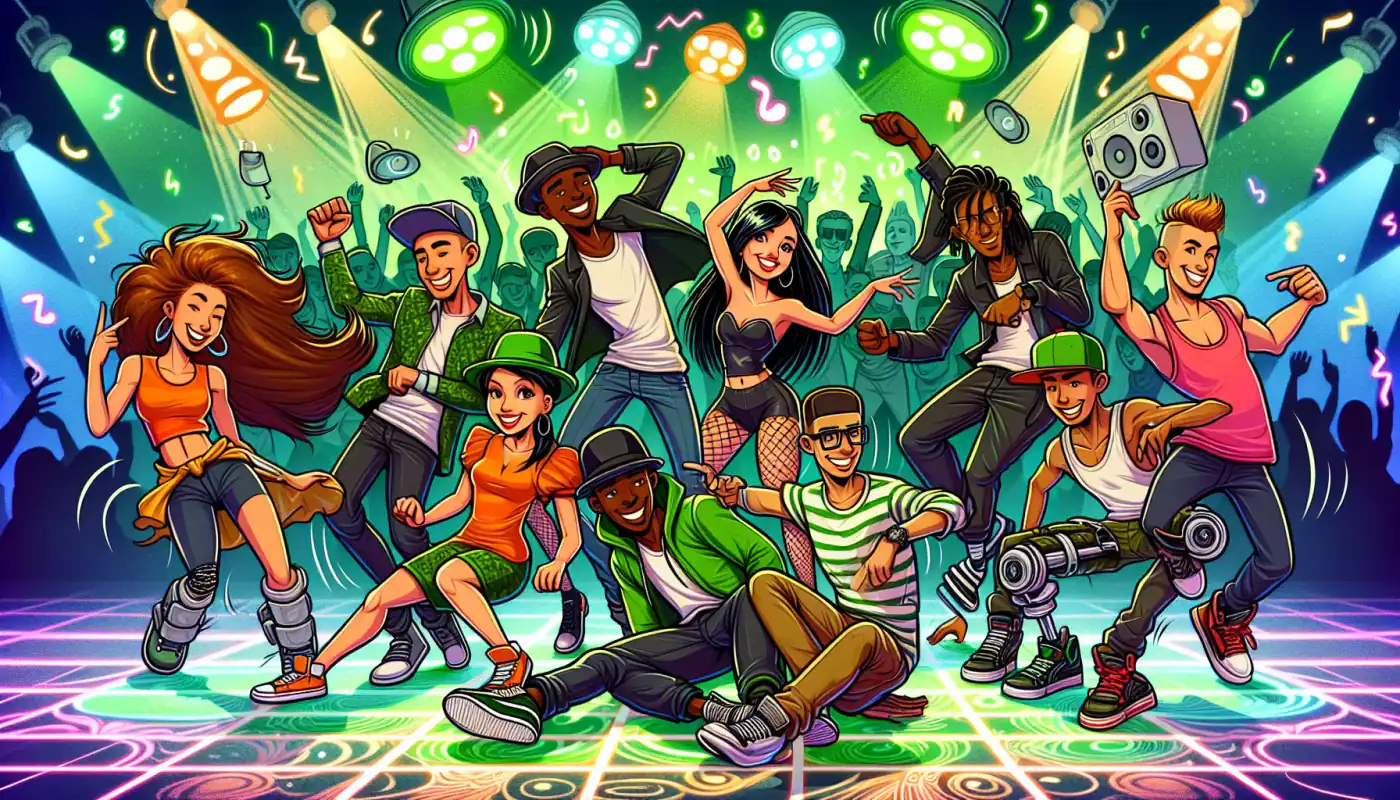
- Psytrance subgenre overview
- Evolution of psytrance
- Key characteristics of subgenres
- Major artists and their contributions
- Cultural significance and community impact
Psytrance, or psychedelic trance, has evolved into a diverse landscape of musical styles, often categorized into various subgenres. Each of these subgenres features its distinct characteristics, reflecting the multitude of influences that contribute to the psytrance scene. To grasp the sheer scope of this genre, it is essential to explore its classifications in detail.
One of the foundational subgenres is the classic Full-on, which emerged in the late 1990s. Known for its high energy and uplifting melodies, Full-on often employs a fast tempo typically ranging from 140 to 150 BPM. It is characterized by vibrant synth leads and rolling basslines that create an euphoria-inducing atmosphere on the dance floor. Notable artists within this realm include Infected Mushroom and Vini Vici, who have significantly influenced the sound and popularity of Full-on psytrance, introducing cinematic sounds and intricate arrangements.
Another prominent subgenre is Progressive Psytrance, which leans towards a more minimalistic approach than its Full-on counterpart. This style focuses on gradual build-ups and subtle sound design, often integrating atmospheric pads and evolving basslines. Artists such as Shake B exemplify this music classification, offering a sound that is both deep and immersive, making it well-suited for extended sets at outdoor festivals.
Dark Psytrance provides a stark contrast to the bright melodies present in Full-on. With its ominous atmosphere and complex, twisted soundscapes, Dark Psytrance typically features slower tempos while still retaining the essence of psychedelic experiences. The heavy basslines, layered sound effects, and unnerving samples create an immersive journey for listeners. Artists such as Forest and Shamanic Tribes are renowned for their contributions to this subgenre, pushing the boundaries of darkness with intricate sound design and ethereal elements.
Twilight Psytrance is characterized by its fusion of both Full-on and Dark elements. Often appearing in the transitional phases of a set, this subgenre uses a mix of upbeat and darker motifs, creating a fluid sonic experience. Its complexity shines through in the works of artists like GMS and Astrix, who skillfully blend melodies with throbbing bass and atmospheric textures, marking a unique space in the psytrance hierarchy.
Lastly, the emerging genre of Chillout or Ambient Psytrance brings a much-needed contrast to the fast-paced energy of traditional psytrance. Often played during downtimes at festivals, Chillout features slow, serene rhythms and is infused with ethereal sounds and organic samples. This subgenre promotes relaxation and introspection, showcasing the versatility of psytrance as it branches into softer soundscapes.
Understanding these subgenres lays the groundwork for appreciating the rich tapestry of psytrance music. Each category serves a specific purpose within the scene, appealing to different moods and settings—from high-energy dance floors to contemplative, laid-back chill-out areas. As the psytrance community continues to evolve, so will the music classification systems that define this ever-expanding genre.
Evolution of psytrance
The evolution of psytrance can be traced back to its roots in the early 1990s, where it initially emerged from the fusion of trance, house, and various electronic sounds, defined by an emphasis on a repetitive, hypnotic beat that is ideal for dancing. Over the years, this genre has undergone significant transformations, giving rise to diverse subgenres that showcase a myriad of styles and influences, while maintaining the core principles of psychedelic experiences.
As the music classification evolved, so did the technology available for producing psytrance music. The introduction of digital audio workstations (DAWs) like Logic Pro and Ableton Live revolutionized music production, allowing artists to experiment with complex layering, intricate effects, and detailed sound manipulation, which previously required extensive knowledge of analog equipment. The ability to easily access a vast array of virtual instruments and plug-ins further propelled the creativity of psytrance producers, enabling them to push boundaries and explore new sonic landscapes.
In the mid-90s, the genre began to diversify notably. Full-on psytrance gained mainstream popularity due to its accessibility and high energy, appealing to a broader audience. Artists like Hallucinogen were pivotal during this transformation, blending trippy sound design with infectious melodies, setting the stage for the upcoming wave of psytrance scenarios. The subgenres that followed included a wide array of styles, each carving out its niche within the psytrance community. This diversification resulted in unique festivals and events that cater specifically to different psytrance tastes, from upbeat daytime parties to darker, more immersive nighttime sessions.
As technology continued to advance, the role of online platforms and social media became increasingly influential in shaping the psytrance movement. Artists began using SoundCloud, YouTube, and Bandcamp to share their music, allowing them to connect with fans globally. This accessibility fostered a collaborative environment where new producers could gain exposure and find inspiration in the works of established artists. The sense of community was further strengthened by the emergence of various online forums and discussion groups dedicated to psytrance, where individuals could share knowledge, techniques, and recommendations for software and hardware relevant to production.
The late 2000s saw the rise of genres like Progressive Psytrance, infused with elements from techno, house, and other forms of electronic music, which demonstrated the adaptability of psytrance. This subgenre is often characterized by its slower tempo and intricate rhythms, encouraging deep listening experiences. Artists such as Neelix and Soundaholics emerged, influencing the shifting soundscape and redefining what psytrance could be, showcasing a perfect blend of melodic progression and deep, groovy basslines.
Today, psytrance continues to evolve, as new artists emerge, layering traditional elements with contemporary sounds. Genres like Forest Psytrance echo the return to nature, resonating with environmental awareness and the search for harmony within sonic experiences. Each iteration of the genre not only reflects the progression of music technology but also mirrors the cultural shifts and collective consciousness of the community surrounding it.
Key characteristics of subgenres
When delving into the intricacies of psytrance subgenres, several key characteristics emerge that define their unique identities and influence the overall sound of the genre. The tempo of psytrance typically ranges from 135 to 150 BPM, creating a driving energy that promotes agility and movement on the dance floor. However, within that spectrum, different subgenres utilize varying tempos and rhythmic structures to achieve distinct auditory experiences. For instance, while Full-on tends to gravitate towards the upper end of the BPM scale with its energetic peaks, Progressive Psytrance often hovers closer to the lower end, embracing a more laid-back rhythm that develops gradually over time.
One of the defining traits of Full-on psytrance is its use of synthesized melodies that are both uplifting and euphoric. Layered leads and melodic hooks create a sense of transcendence, often amplified by the clever arrangement of breaks and buildups. This allows DJs to craft dynamic sets that lead audiences through emotional highs and lows, utilizing the subtleties of the tracks to invoke a shared experience. In contrast, Dark Psytrance often employs much more dissonant tones and haunting melodies, sparking feelings of intrigue and intensity. The absence of melodic predictability contributes to a complex atmosphere that captivates the listener, requiring a deeper engagement with the sound.
Sound design plays a crucial role across the various subgenres of psytrance. Full-on tracks are characterized by their vibrant, rich textures crafted through the use of bright pads and energetic basslines. The bass is often a prominent element, acting as the backbone of the track with a rolling, driving quality that helps propel the rhythm forward. In contrast, Progressive Psytrance incorporates more minimalistic elements, focusing on creating space within the sound. Artists delve into intricate layering and atmospheric soundscapes, emphasizing the subtle evolution of sound textures as opposed to overt melody. This creates a fluid listening experience that can maintain its captivating nature for longer periods, ideal for long sets in open-air festival environments.
Another notable characteristic of Twilight Psytrance is its hybrid approach, deftly merging the bright and dark elements found in the other subgenres. This blending results in tracks that transition gracefully between tension and release, making them versatile for various points in a DJ’s set. Moreover, Chillout or Ambient Psytrance diverges more radically from the traditional psytrance framework, focusing heavily on organic sounds, slower tempos, and serene atmospheres. This music classification underscores psytrance’s adaptability and depth, offering moments of respite and reflection amid energetic dance music.
The elements of sampling and effects are also pivotal in defining the sound of different psytrance subgenres. Dark Psytrance often includes eerie samples and effects that enhance the atmospheric qualities of tracks, evoking a sense of journey and exploration in the listener. On the other hand, Full-on artists frequently utilize euphoric samples, vocal snippets, and sound bites to connect emotionally with audiences, reinforcing the celebratory nature of their productions. These samples contribute to an immersive experience, allowing listeners to be carried away by the collective energy of the crowd and the music.
The characteristics that distinguish these subgenres of psytrance reflect a rich diversity of sound and intention, showcasing the evolution and depth within the genre. As new technology and creative experimentation continue to shape the landscape, the sonic palette of psytrance will only widen, fostering even greater innovation and expression among artists and producers alike.
Major artists and their contributions
Throughout the rich history of psytrance, numerous artists have emerged as pivotal figures, each contributing uniquely to the diverse landscape of this vibrant music classification. One cannot discuss the evolution of psytrance without acknowledging the groundbreaking work of Hallucinogen. Often hailed as a pioneer in the field, his blend of intricately layered soundscapes and hypnotic rhythms reinvigorated the genre in the 90s. Tracks such as “LSD,” with its swirling synth patterns and invigorating basslines, exemplify his ability to create a sonic experience that is simultaneously immersive and electrifying, setting a benchmark for future productions.
Infected Mushroom stands out in the Full-on psytrance realm. Their innovative approach to production encompasses a wide range of influences, merging elements of rock and electronic music. Their tracks are characterized by complex arrangements, driving basslines, and catchy melodies. Songs like “Becoming Insane” showcase their unique sound, bringing a mainstream appeal to the psytrance scene, and helping to expand its audience. The band’s willingness to experiment and push boundaries has left an indelible mark on the subgenre, inspiring countless new artists in their wake.
Shpongle, a collaborative project between Simon Posford and Raja Ram, has taken psytrance into uncharted territories by infusing world music influences, organic instrumentation, and rich narratives into their tracks. Their album “Are You Shpongled?” is recognized for its philosophical themes and sonic diversity, blending complex beats with exotic samples. This eclectic sound reveals how the subgenres of psytrance can evolve by drawing inspiration from various musical traditions, reflecting a global perspective in electronic music.
The Dark Psytrance movement owes much to artists such as Parasense and Dark Soho, who have crafted haunting, complex soundscapes that explore darker themes and emotions. Their tracks often feature intricate rhythms, eerie samples, and a palpable sense of tension. This subgenre’s capacity for storytelling through sound design creates immersive experiences that transport listeners into deep, contemplative states, making them a staple in nighttime festival sets.
Other artists like Astrix and GMS have garnered a massive following within the Progressive Psytrance scene. Their ability to combine melodic progressions with punchy basslines showcases a refined structural complexity that speaks to the versatility of the genre. They captivate audiences by maintaining a fine balance between energy and emotional depth throughout their sets, with tracks such as “Deep Jungle Walk” revealing how rhythm and melody can be expertly intertwined in broader narratives.
The infusion of cultural elements into psytrance has also been shaped by artists like Etic and Ajja, who bring a rich tapestry of ethnic influences into their music. Their exploration of organic sounds and the integration of world instrumentation highlight the genre’s adaptability and global reach, revealing how psytrance subgenres can incorporate diverse musical forms into a cohesive sound.
As psytrance continues to flourish, the contributions of these seminal artists within their respective subgenres illustrate the genre’s expansive nature. The ongoing evolution of sound, artistic expression, and community around psytrance presents a thriving cultural phenomenon that invites continual exploration and innovation.
Cultural significance and community impact
The cultural significance of psytrance extends far beyond its catchy rhythms and psychedelic melodies; it plays a crucial role in shaping social dynamics and fostering community among its enthusiasts. The genre serves as a unifying force, drawing together people from diverse backgrounds and cultures, united by a shared love for the immersive experiences and transcendental states facilitated by this music classification.
One key aspect of the psytrance culture is its prevalent use of festivals, which act as significant events for the community. Renowned festivals such as Boom Festival in Portugal and Ozora Festival in Hungary create a space where attendees can connect not just through music but also through art, spirituality, and nature. These gatherings often emphasize principles of peace, love, and unity, resonating with the core values of the psytrance movement. They provide opportunities for individuals to express themselves freely, promoting a sense of belonging and collective consciousness.
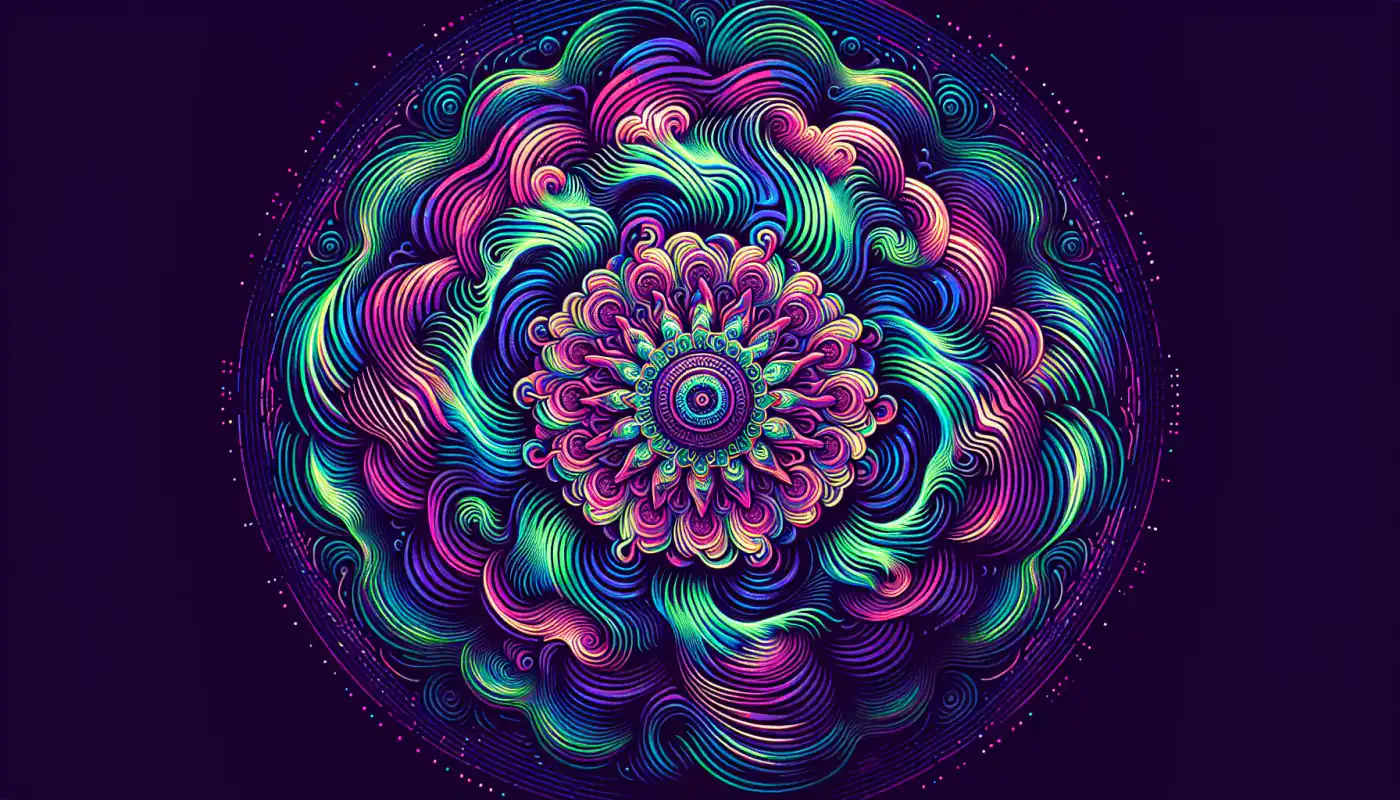
The visual aesthetics associated with psytrance play a major role in enhancing this cultural experience. Vivid mandalas, fractal designs, and psychedelic art are common sights at events, contributing to the sensory immersion of the audience. Visual projections during performances draw heavily on themes of spirituality, nature, and consciousness, enrichening the experience and providing a deeper connection to the music. Artists often collaborate with visual creators to create stunning visual displays that mirror the intricacies found in the soundscapes, further deepening audience engagement.
Moreover, the community aspect of psytrance is fortified by active participation in local scenes and online platforms. Many communities organize local parties and gatherings, offering spaces for new and seasoned producers to share their work. Online forums, social media groups, and streaming platforms provide platforms for discussing sound design, production techniques, and subgenre innovations. This exchange of ideas fosters a supportive environment where upcoming artists can thrive and continue the cycle of creativity within the psytrance community.
Additionally, the ethos of DIY (Do It Yourself) permeates the psytrance culture, encouraging individuals to take control of their creative journeys. Many producers are self-taught, utilizing accessible production software and tools to craft their sounds. This democratization of music production has led to an explosion of new talent and diversity across subgenres, ensuring a vibrant and continuously evolving landscape. As more artists experiment with their distinct styles, it enables a richer tapestry of sounds and ideas to flourish.
The influence of psytrance reaches beyond just music and festivals; it resonates with broader cultural, social, and even political movements. Themes of environmentalism and consciousness expansion are often highlighted in the music and associated events, creating a dialogue around important topics affecting society today. This connection to larger issues demonstrates how psytrance is not just a genre but a cultural movement that inspires individuals to contemplate their role within the world.
By blending creativity, connection, and consciousness, the psytrance community remains a powerful force that transcends geographical and cultural barriers. It invites individuals to explore not only the depths of sound but also the richness of communal and shared human experiences, establishing an impact that is culturally profound and enduring.