- Psytrance production techniques through the years
- Key components of psytrance music
- Advancements in software and hardware
- Influence of culture on production styles
- Future trends in psytrance production
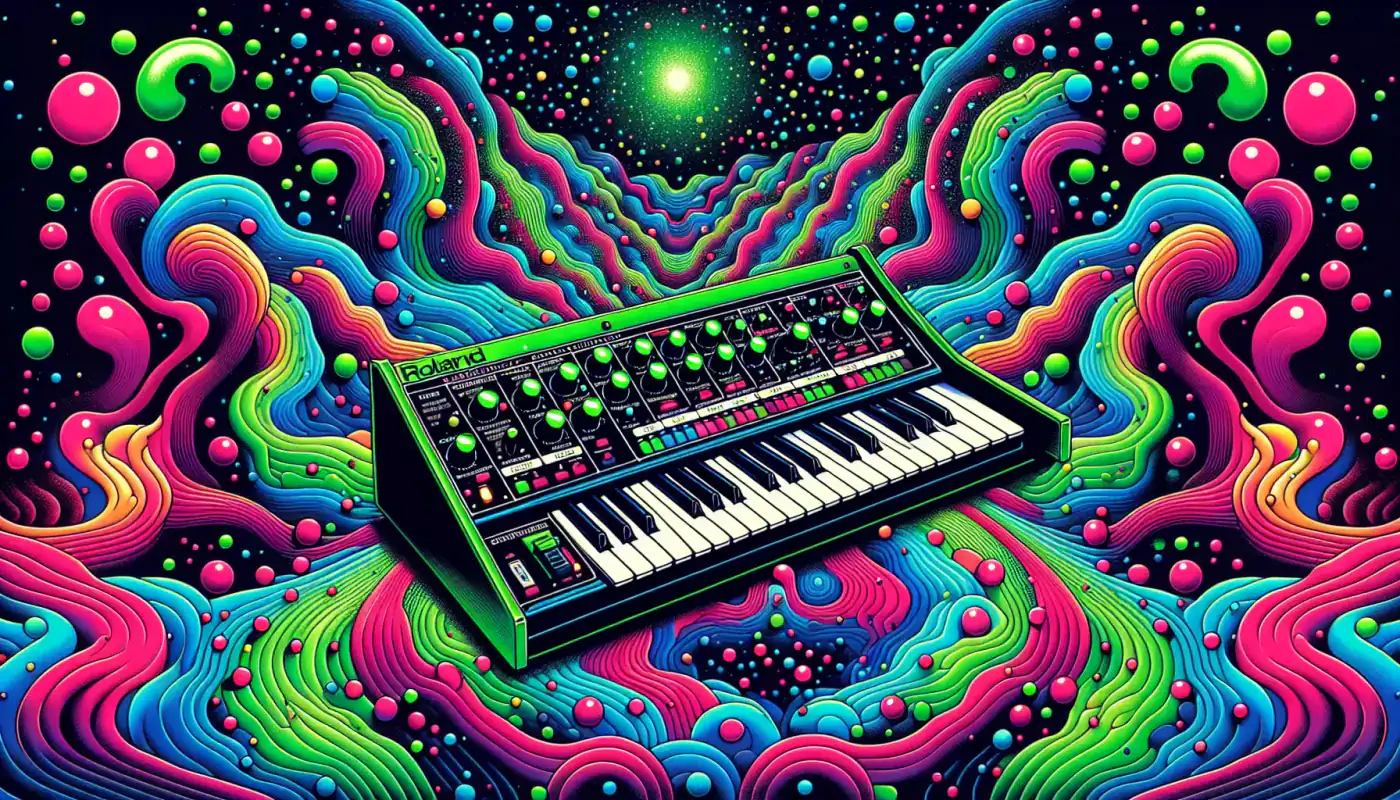
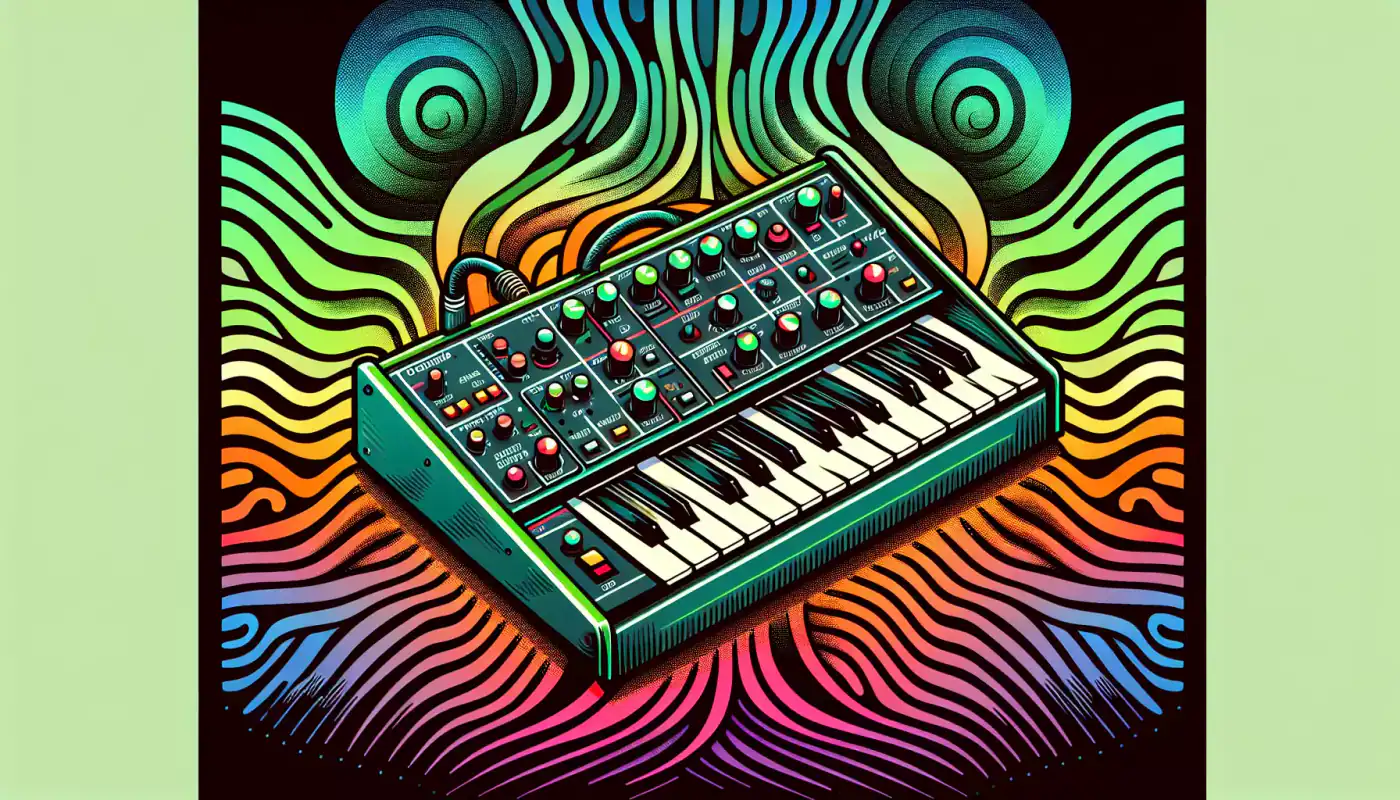
The journey of psytrance production techniques has undergone a fascinating evolution, shaped by both technological advancements and the creative impulses of its producers. In the early days, during the 1990s, producers relied heavily on hardware synthesizers and drum machines, which were often used in combination with audio samplers to create the signature, multi-layered sounds of psytrance. The quest for a distinct sound led many artists to experiment with analog synthesizers, such as the Roland TB-303 and the Korg MS-20, crafting the squelchy bass lines that became a hallmark of the genre.
As the years progressed, the introduction of Digital Audio Workstations (DAWs) revolutionized the production landscape. Software such as Fruity Loops and Ableton Live allowed producers not only to arrange but also to manipulate sound with unprecedented precision. The incorporation of plugins made it easier to emulate complex sounds produced by hardware, while also enabling the use of unique effects, such as reverb and echo, that contribute to the immersive experience of a psytrance track.
Simultaneously, the concept of layering became more sophisticated. Producers began to use multiple synth tracks, each creating a distinct element within the soundscape. The combination of intricate percussion patterns, melodic leads, and deep basslines contributed to the evolving rhythm that characterizes modern psytrance. This layering technique not only enhances the depth and complexity of tracks but also allows for dynamic builds and drops that captivate listeners across festival stages worldwide.
Another significant development in psytrance production techniques has been the emphasis on psybient and chill-out influences, which led to new sub-genres emerging. Artists started incorporating organic sounds, ethnic instruments, and nature samples to create rich, engaging atmospheres that diverged from the main dance-floor oriented tracks. This diversification enriched the genre and encouraged the experimentation of sound palettes.
The rise of online tutorials and community sharing platforms has also greatly contributed to the evolution of production techniques. Aspiring producers can now access a wealth of resources—from sample packs to comprehensive tutorials—allowing them to learn and adopt techniques used by seasoned professionals. This democratization of knowledge has fostered a wave of creative innovation, pushing the boundaries of what is possible within psytrance.
These cumulative developments demonstrate the vibrant evolution of psytrance production techniques. From analog roots to the adoption of sophisticated digital tools, producers continue to shape the sound of this genre, ensuring its relevance and resonance within the electronic music landscape.
Key components of psytrance music
When dissecting the key components of psytrance music, it is essential to recognize the genre’s signature elements that contribute to its unique identity. At the forefront, the kick drum serves as the rhythmic backbone of any psytrance track. Typically, the kick drum operates at a tempo of 140 to 150 beats per minute, providing a driving pulse that invites movement and dance. Proper tailoring of the kick is crucial; it usually requires careful layering and EQing to ensure it cuts through the mix while maintaining a deep, thumping presence that resonates on dance floors.
Complementing the kick is the bassline, which is fundamental in establishing the track’s groove. The psytrance bassline generally employs a rolling approach, characterized by a consistent pattern that creates a hypnotic effect. Producers often utilize synthesizers like the Reese Bass or the Saw Wave to craft this element, applying techniques such as sidechain compression to achieve a pumping feel—a common technique that helps the bass interact harmoniously with the kick drum. A well-designed bassline can add both weight and rhythm, propelling the track forward.
Melodic elements in psytrance are typically expressed through lead synths and atmospheric pads. The combination of arpeggios and intricate melodies adds a psychedelic texture that captivates listeners. Utilizing synthesizers such as Sylenth1 or Serum, producers often create evolving, filtered sounds that change over time, enhancing both tension and release within the track. A key aspect of this process involves the careful crafting of automation parameters, where filter cutoffs, reverb sends, and effects are gradually adjusted to produce emotional dynamics throughout the composition.
Another critical element in psytrance production is the percussion. Unlike traditional electronic music, psytrance features a complex array of percussive sounds, including shakers, hi-hats, and snappy claps that contribute to the genre’s hypnotic and driving rhythms. These elements are often processed through various effects, such as reverb or delay, to add depth and space to the mix. Crafting percussive patterns is about achieving a balance—ensuring that the percussion supports the driving energy without overshadowing the melodic components.
To elevate the overall production, sound design plays a pivotal role in shaping the atmosphere of a psytrance track. This can involve layering environmental samples, voice snippets, or psychedelic effects, which envelop the listener in a rich auditory space. Producers may pull from their diverse sound libraries or record their own samples to add a distinct personal touch to their tracks. Furthermore, effects such as distortion, phasing, and flanging can enhance the psychedelic aspect, making the listening experience more immersive and engaging.
Lastly, arrangement is essential to maintaining energy throughout the track. A typical psytrance arrangement features a gradual build-up to climactic moments, employing techniques like breakdowns and drop sections to create peaks in energy. Successful arrangements often adhere to a formula that keeps the listener engaged; however, innovative arrangements that surprise the audience can further distinguish a producer’s work within the genre.
Advancements in software and hardware
The landscape of psytrance production has changed dramatically with the advent of advanced software and hardware that has democratized music creation. One of the most profound advancements has been the development of powerful Digital Audio Workstations (DAWs) that allow for an unmatched level of creativity and experimentation. In addition to traditional DAWs like Ableton Live and Logic Pro, producers now have access to an array of specialized plugins that can emulate classic analog gear while introducing new effects and sound sculpting capabilities.
For example, plugins such as Serum and Massive provide intuitive interfaces that facilitate intricate sound design. The ability to generate complex waveforms and modulate them in real-time opens up a world of possibility for psytrance production techniques. By using envelope generators and LFOs (low-frequency oscillators), producers can craft dynamic sounds that evolve throughout a track. The integration of sampling tools has also transformed production, allowing artists to incorporate a vast array of real-world sounds that enhance the psychedelic experience without straying from the genre’s core ethos.
Moreover, the rise of virtual instruments has made it easier for producers to experiment with different sounds and styles without the need for expensive hardware. This is particularly important in psytrance, where the depths of sound design are critical. Synthesizers like the Korg Minilogue and Arturia MicroBrute combine digital versatility with analog warmth, providing textures that were once only accessible through budget-intensive studio setups. The addition of MIDI controllers further streamlines the production process, enabling producers to manipulate sounds with tactile control, making it easier to perform live or develop intricate arrangements.
Furthermore, the capabilities of hardware synthesizers and effects units continue to thrive. High-end devices from manufacturers like Moog and Roland are still revered, and new iterations of classic models retain their analog charm while integrating modern connectivity. The tactile feedback and hands-on experience provided by such hardware play an important role in the creative process, allowing producers to experiment directly with sound in ways that purely software-based production cannot match.
The integration of VST (Virtual Studio Technology) plugins has made it possible for countless third-party developers to create unique sounds and effects tailored specifically for the needs of psytrance. As a result, producers can now customize their sonic palette, enabling the distinct layering and manipulation of sounds critical to the genre. Techniques such as resampling and granular synthesis are now more accessible, allowing for endless sonic experimentation that can lead to groundbreaking productions.
Additionally, the availability of collaboration platforms and online communities has further accelerated the advancement of psytrance production techniques. Producers can now share project files, collaborate remotely, and utilize versioning tools to streamline their workflow. This interconnectedness encourages mutual learning and fosters a spirit of innovation, as individuals across the globe share tips and techniques that push the boundaries of what is possible in psytrance.
In summary, the ongoing evolution in software and hardware has fundamentally transformed the production landscape. Aspiring artists have unprecedented access to tools that not only enhance creativity but also enrich the overall sound of psytrance. With each advancement, producers are equipped to develop more intricate, emotive tracks that resonate with audiences around the world, continuing to evolve the genre into the future.
Influence of culture on production styles
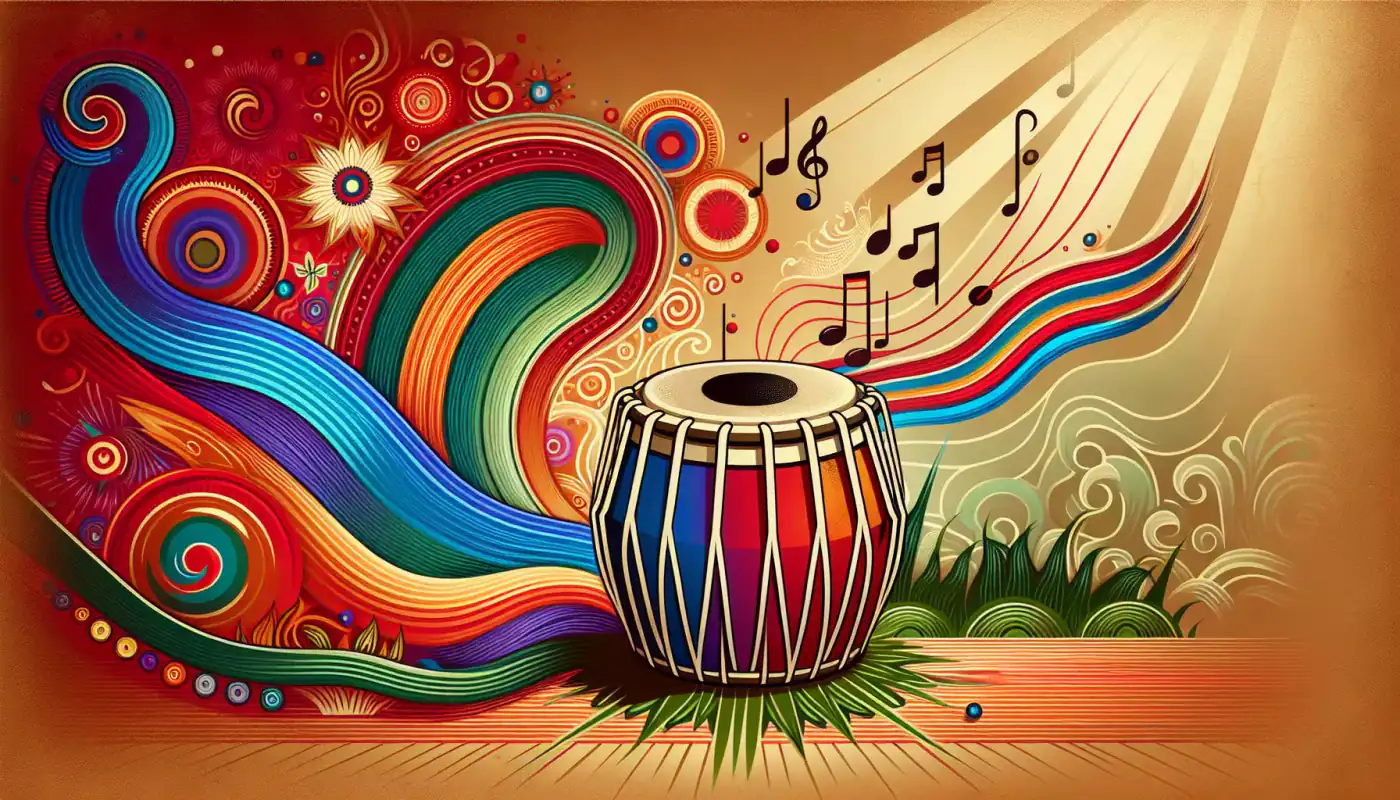
The influence of culture on psytrance production styles is profound and multifaceted, reflecting the genre’s global reach and the diversity of its practitioners. As psytrance originated in the late 1980s and early 1990s, it became a melting pot for various cultural influences, drawing from traditional sounds, spiritual beliefs, and regional musical practices. This rich tapestry of backgrounds is evident in how producers incorporate unique elements into their tracks, adapting traditional instrumentation and themes to fit the electronic music framework.
One prominent example of cultural influence is the incorporation of Indian musical elements, particularly the use of the tabla and traditional drones. As the genre gained popularity among the European festival scene, producers began to weave in these rhythmic and melodic components, bridging Eastern spirituality with Western electronic sensibilities. The global psytrance community often embraces psychedelic themes drawn from Indian philosophy, evident through the use of samples of mantras and spiritual chants. Producers like Infected Mushroom and Shpongle have taken this further, blending authentic cultural sounds with their own unique production styles, helping to create a sound that feels both ancient and futuristic.
Another cultural aspect shaping the genre is the impact of rave culture. The rise of raves in the 1990s established a unique subculture characterized by a quest for transcendence, unity, and euphoria. In response, producers have developed tracks that emphasize the feeling of community and shared experience. This is often achieved through their dynamic arrangements and climactic builds that encourage collective dancing and engagement on the dance floor. The fervent energy is meticulously crafted through techniques such as breakdowns and build-ups, harnessing the audience’s energy to create a profound, shared journey through sound.
Moreover, the visual aesthetics commonly associated with psytrance culture play an important role in how music is produced. Colorful, psychedelic artwork and immersive stage designs are not just consumables; they influence what sounds are considered appropriate or resonant. Producers often aspire to create soundscapes that mirror these visual experiences, leading to the development of specific sonic attributes, like swirling synth pads and fractal-like textures. This aligns with the goal of creating an all-encompassing experience that stimulates the senses beyond mere auditory perception.
The cultural significance of psytrance extends to its grassroots nature as well. Many producers are influenced not just by their immediate surroundings but also by the ethos of sharing and collaboration that characterizes underground movements. Sample swapping and community feedback loops provide a rich environment for experimentation, reflecting local traditions yet pushing the boundaries of traditional music-making. This democratic approach is key to the genre’s evolution, allowing artists from diverse backgrounds to contribute unique perspectives and techniques that enrich the global psytrance scene.
As artists draw inspiration from cultural practices and merge them with modern production techniques, the genre continues to evolve. From the incorporation of distinct styles to embracing the communal aspects of music-making, culture undeniably shapes the contours of psytrance. The result is a sonically diverse palette that reflects the connectedness of global communities united through the love of this vibrant musical form.
Future trends in psytrance production
Looking ahead, the future trends in psytrance production are likely to be shaped by a convergence of emerging technologies, evolving musical tastes, and cultural influences. One notable trend is the increasing reliance on artificial intelligence (AI) in music production. As AI tools become more sophisticated, producers may find themselves equipped with intelligent systems that can assist in everything from composing melodies to automating mixing tasks. This could lead to new creative possibilities, allowing artists to experiment with sound design in ways that were previously unimaginable, while also speeding up the production process.
An additional evolution in the field is the integration of virtual reality (VR) and augmented reality (AR) in live performances and studio environments. With the growing interest in immersive experiences, psytrance festivals may see visual and auditory elements that interact dynamically, creating a multi-sensory journey for the audience. This shift could influence production techniques as artists begin to compose soundscapes designed specifically for these interactive platforms, fostering a deeper connection between the performer and the audience.
Moreover, the trend towards synthesizing organic and electronic sounds is expected to gain traction. As producers increasingly draw inspiration from various world music traditions, there will likely be a greater focus on blending traditional instruments with electronic elements. This fusion can lead to rich, textured soundscapes that reflect the diverse cultural influences inherent in the global psytrance scene. Artists may utilize apps and DAWs that support live sampling and manipulation of real-world sounds, allowing them to create unique audio experiences that resonate with listeners both emotionally and spiritually.
Community-driven platforms will continue to play a vital role in shaping the trajectory of psytrance production techniques. With the rise of social media and content sharing, producers can interact, collaborate, and support one another easily. This interconnectedness fosters an environment of innovation, where new techniques and ideas can spread rapidly throughout the community. Open-source software and collaborative projects may lead to a renaissance in sound design, pushing the envelope of creativity and inviting new voices into the genre.
Another emerging trend will likely be the focus on sustainability within the music industry. As environmental awareness increases, producers and festival organizers may adopt more eco-friendly practices, from using renewable energy at events to minimizing waste in their production processes. This movement toward sustainability could extend into the music itself, inspiring artists to create sounds that reflect their commitment to the planet, possibly incorporating natural sounds recorded in pristine environments into their tracks.
Finally, as psytrance continues to gain traction in various geographical parts of the world, we can expect a diversification in sub-genres. Local traditions and musical styles may blend into the fabric of psytrance, creating hybrids that draw on indigenous sounds and practices. This globalization of the genre will allow for an even more eclectic range of influences, encouraging innovation and the potential for brand new styles that retain the essential spirit of psytrance while expanding its sonic horizons.