- Historical origins of psytrance
- Key characteristics of the genre
- Cultural influences on psytrance
- Psychological effects of listening
- The future of psytrance music
In the late 1980s and early 1990s, the origins of psytrance can be traced back to a convergence of various musical styles and cultural movements. Emerging from the burgeoning acid house scene in the UK and the broader electronic music landscape, artists began to experiment with synth sounds, drum machines, and samples that departed from traditional song structures. Pioneering producers like Goa Gil and Raja Ram were instrumental in developing what came to be known as Goa trance, a precursor to psytrance which drew heavily from both Indian music and Western electronic influences.
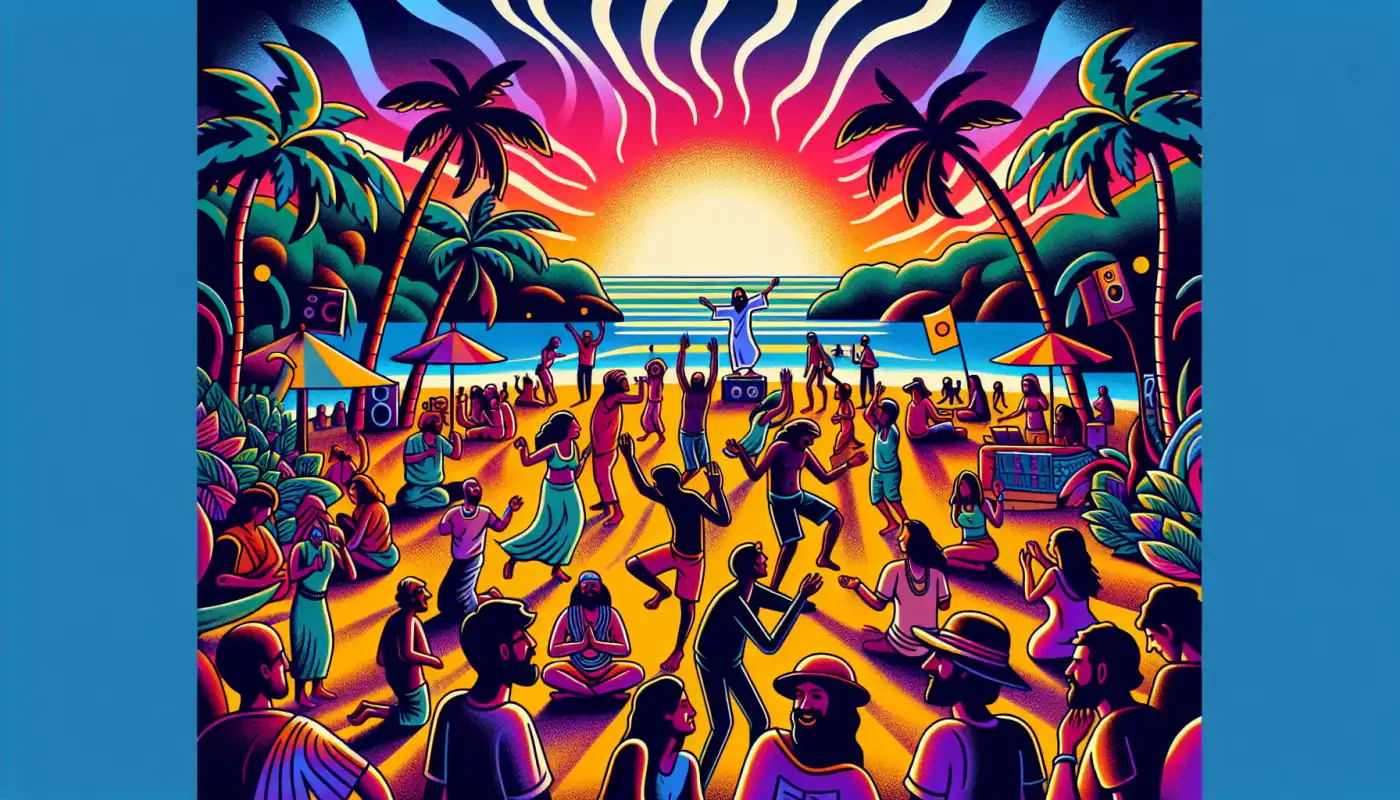
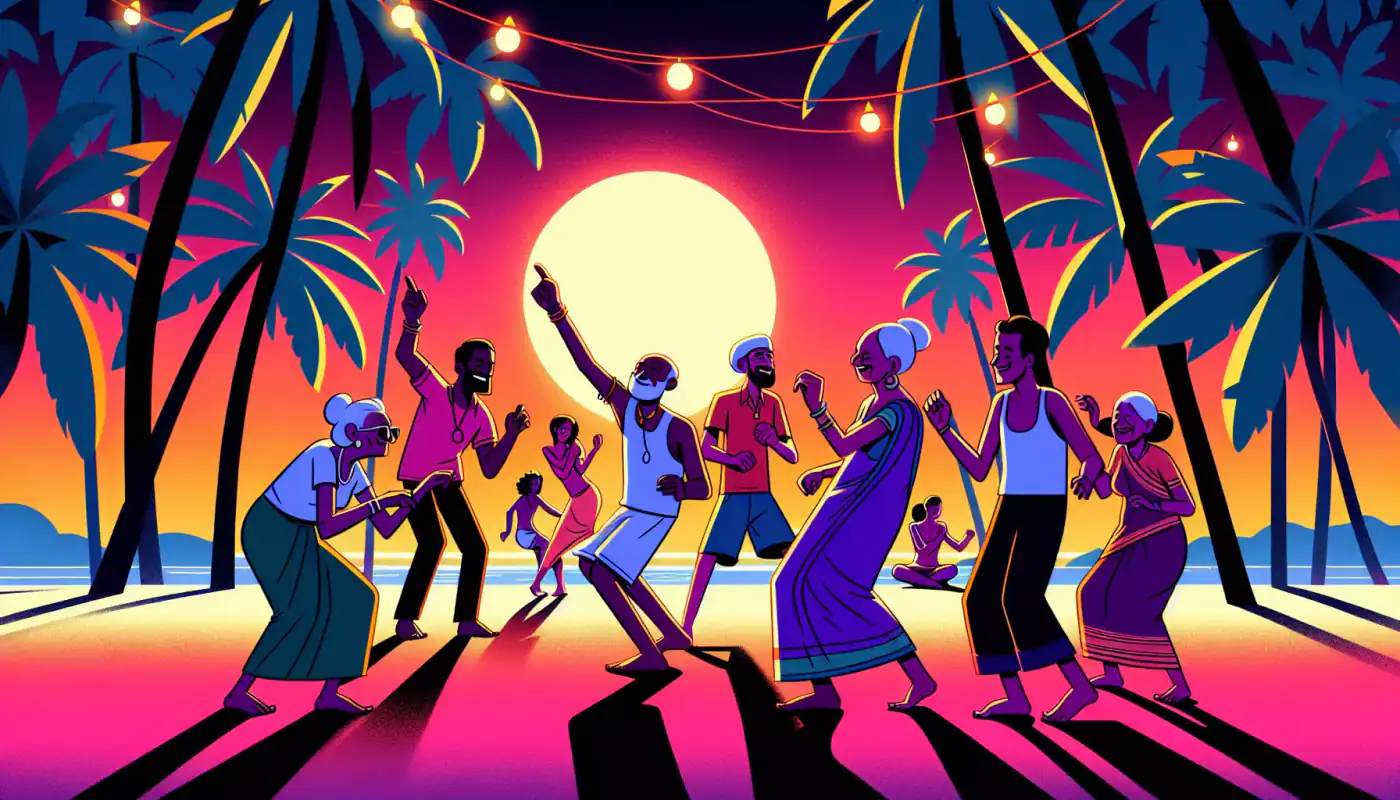
The vibrant party culture of Goa, India, became a sanctuary for travelers and artists seeking a spiritual connection through music and dance. This environment fostered innovation, leading to the blending of Eastern melodies, hypnotic basslines, and the use of psychedelic visuals. The use of effects like looping and layering became characteristic of the genre, creating immersive soundscapes that encouraged listeners to explore altered states of consciousness. With the advent of digital audio workstations (DAWs) in the mid-90s, producers were able to manipulate sound in ways that had previously been unimaginable. Programs like Cubase and later, FL Studio and Ableton Live, made it easier for artists to create complex arrangements that featured rapid tempo changes and intricate sound design.
As the genre evolved, it absorbed influences from various styles such as techno, ambient, and even rock, leading to the development of multiple subgenres within psytrance. Names like Infected Mushroom, Shpongle, and Astrix contributed to its proliferation, showcasing the genre’s capacity for creativity and experimentation. Record labels such as TIP Records and Helicon, along with festivals like Ozora and Boom, played crucial roles in promoting the genre, allowing it to reach a global audience and solidifying its presence in the mainstream electronic music scene.
The roots of psytrance are deep, connecting cultural strands from around the world while also expressing the journey of self-discovery and communal experience. The genre’s extensive reliance on building atmosphere through sound and rhythm reflects a holistic approach to music production that prioritizes not just the auditory experience but also the emotional and psychological effects it has on the listener. This connection continues to thrive as new artists expand the sound palette, experimenting with elements that resonate with both the genre’s heritage and futuristic inclinations.
Key characteristics of the genre
One of the most defining characteristics of psytrance music is its fast-paced tempo, typically ranging from 130 to 150 beats per minute. This rapid rhythm serves to energize listeners, facilitating a heightened state of awareness and engagement on the dance floor. The use of driving basslines is crucial here; the bass serves as the heartbeat of the track, allowing for a pulsating foundation upon which intricate melodies and layers can be built. Producers often employ a technique known as sidechain compression, where the bass is momentarily reduced in volume when the kick drum hits, creating a ‘pumping’ effect that enhances the energy of the track.
Sound design plays an essential role in the sonic landscape of psytrance. Producers utilize a variety of software synthesizers—such as Serum, Massive, and Sylenth1—to craft ethereal pads, sharp leads, and evolving textures that define the genre. The use of arpeggiators can help in creating complex, repetitive sequences that transport the listener into a trance-like state. Techniques such as filtering, modulation, and reverb add depth and space, essential for creating immersive auditory environments.
A hallmark of psytrance is its emphasis on progressive arrangements. Rather than adhering to conventional verse-chorus structures, tracks often evolve dynamically over time, gradually introducing new elements and variations. This progressive build-up culminates in moments of peak energy, often referred to as ‘drops,’ where the culmination of sounds creates a euphoric release. Transition techniques, including risers and downlifters, are employed to signal these crucial moments while maintaining the listener’s anticipation.
Another notable feature is the incorporation of samples and vocal snippets from various sources, including nature sounds, movie quotes, and speeches. These samples often carry thematic weight, aligning with the spiritual and psychedelic ethos of the genre. When layered thoughtfully, they contribute to an astral dimension, encouraging listeners to connect with the deeper motifs inherent in the music.
Moreover, the visual aspects accompanying psytrance events are instrumental in enhancing the auditory experience. The use of psychedelic visuals, often projected in tandem with the music, complements the sound and serves to create a holistic multisensory journey. This synergy between sound and visuals amplifies the psychological effects of the music, encouraging deeper emotional and spiritual connections among the audience.
Studying psytrance production reveals that the genre is as much about the technical skills involved as it is about artistic expression. Aspiring producers are encouraged to master their technical abilities while also exploring their unique stylistic influences. Through experimentation, artists can establish their sonic identities, drawing inspiration from the genre’s rich roots while crafting innovative soundscapes that push boundaries and expand listeners’ experiences.
Cultural influences on psytrance
The cultural tapestry that weaves through psytrance music is a complex amalgamation of various influences that shape its identity and sound. Central to this genre is the deeply rooted connection to spirituality and communal experiences, which is prominently reflected in the music itself. The use of traditional instruments from diverse cultures, such as sitars, flutes, and drumming patterns, not only enriches the sonic palette but also pays homage to the ancestral sounds that have influenced the genre over decades. This method allows producers to create an auditory bridge that connects listeners with ancient traditions and modern electronic soundscapes.
Another significant cultural influence on psytrance is the crossover with Eastern philosophies, particularly those found in practices like meditation and yoga. This influence encourages the incorporation of meditative soundscapes, bringing a sense of tranquility and introspection amidst the energetic beats. Tracks often use mantras and chants, layered within the music, crafting a ritualistic vibe that promotes a shared sense of consciousness among those participating in the experience. The philosophy surrounding the music extends to its rhythm, which often reflects the cyclical nature of life, inviting listeners to journey through emotional peaks and troughs, mirroring the ebbs and flows of existence.
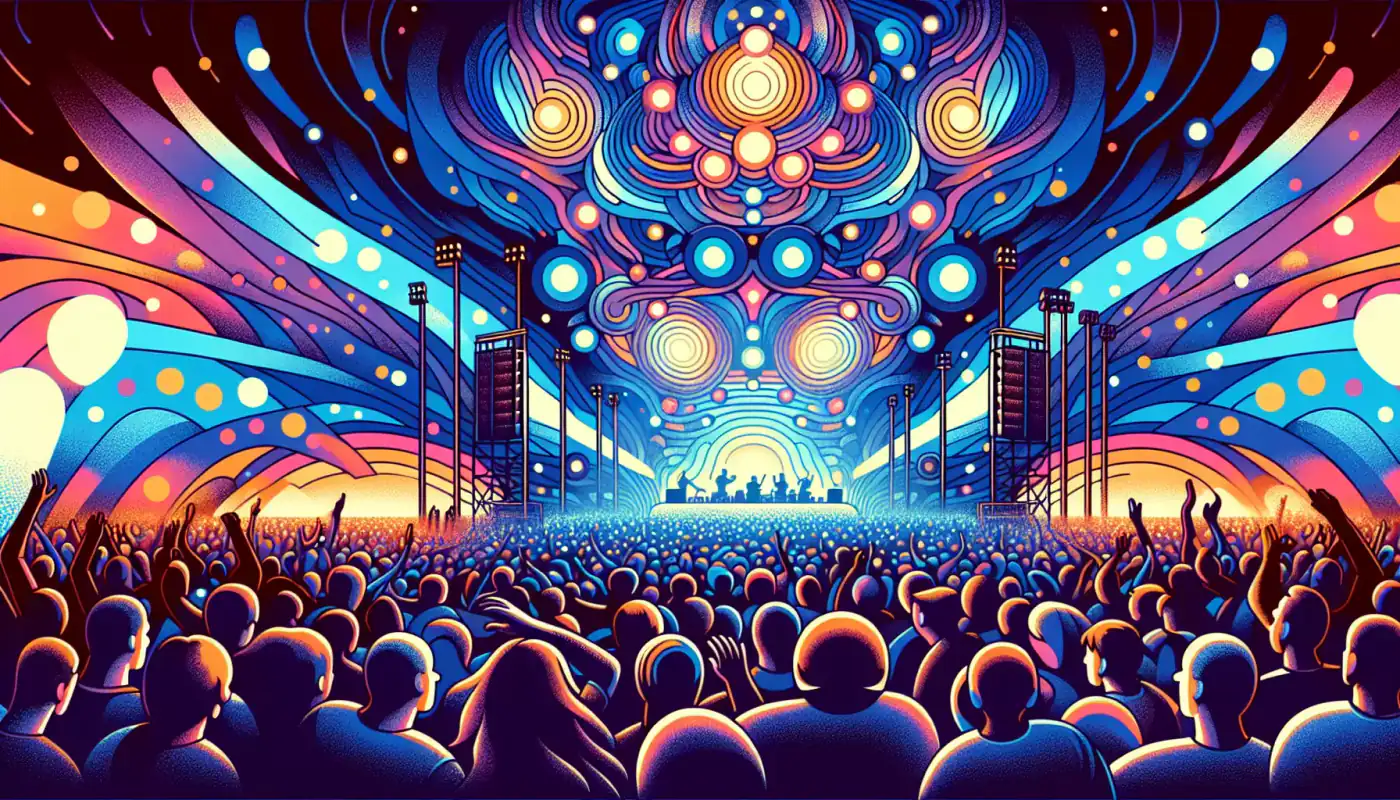
The festival culture surrounding psytrance further amplifies these cultural influences. Events such as Boom Festival, Ozora, and Rainbow Serpent are not merely music festivals; they are gatherings that embody a sense of community and collective consciousness. The immersive ambiance created by art installations, workshops, and cultural exchanges enhances the overall experience, allowing participants to engage with the music at a more profound level. The vibrant visuals and intricate lighting design often synchronize with the music, creating a multi-sensory environment that deepens the emotional impact and promotes connection among attendees.
Moreover, the global nature of psytrance has led to a fusion of styles, as artists from different backgrounds incorporate their cultural elements into their tracks. For instance, African percussion rhythms, Indigenous chants, and even Western classical motifs play a role in shaping new sounds within this genre. Each contribution acts as a thread in the rich tapestry of psytrance, showcasing the genre as a living document of cultural exchange and innovation. This synthesis of sounds not only enhances the music’s depth but also ensures its evolution in step with global musical trends.
The aesthetic choices in psytrance visual art also echo these cultural influences, often drawing upon psychedelic imagery and themes located in the mystical aspects of various traditions. Visual artists create stunning installations meant to reflect the music’s psychedelic ethos, inviting the audience to journey through kaleidoscopic spaces while engaging with the sound. This dialogue between audio and visual art is crucial, as it accentuates the psychological effects of the music, fostering a deeper sense of belonging and shared experience among listeners.
Ultimately, the cultural influences on psytrance establish a rich background that informs its development and shapes the emotional landscapes experienced by its audience. Whether through spiritual connections, community bonding, or the collective celebration of diversity, these influences create a unique environment where music transcends mere entertainment, becoming an integral part of a shared cultural experience. The resonance of these layers deepens the impact of the music, ensuring that it remains not only a form of expression but also a channel for connectivity across borders and cultures.
Psychological effects of listening
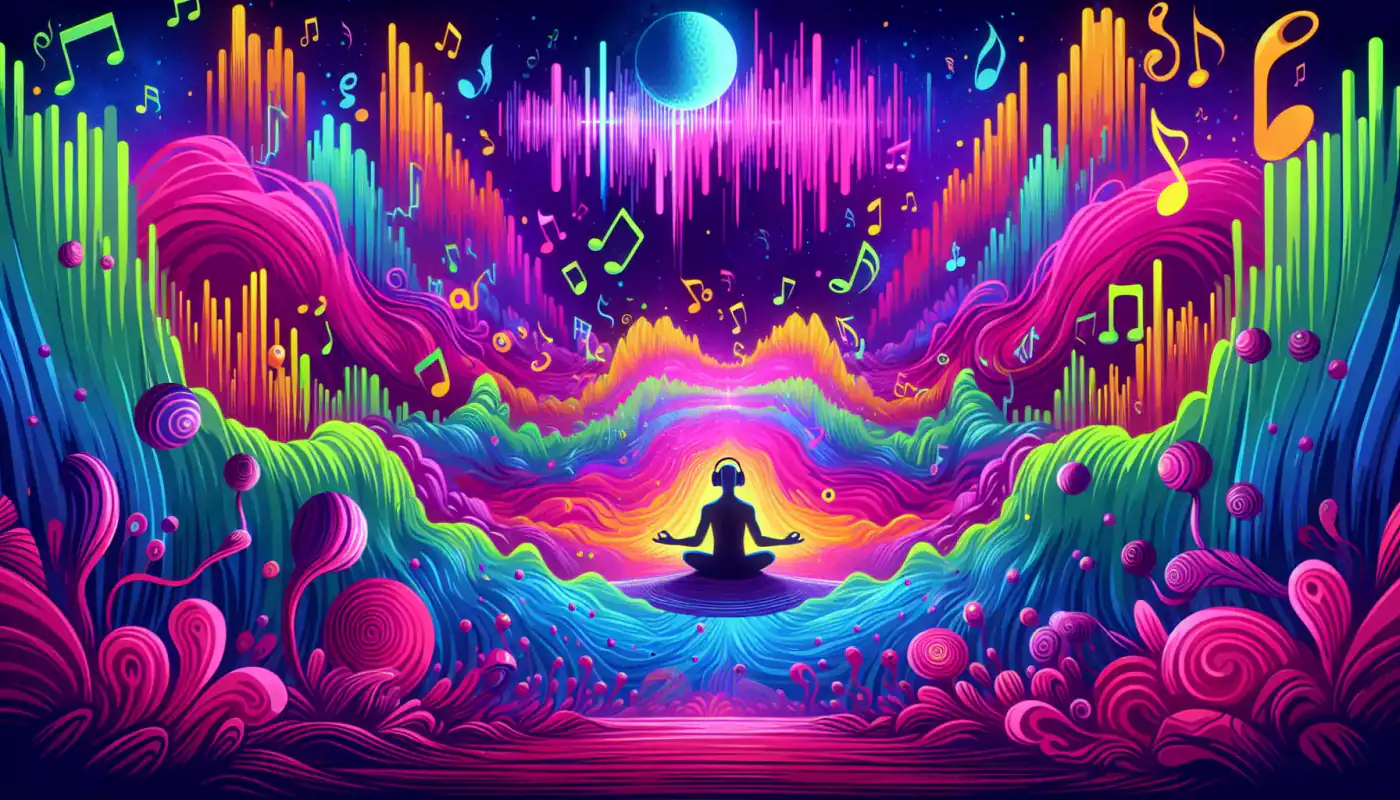
The psychological effects of listening to psytrance music are profound and multi-layered, often extending beyond the auditory experience to influence the listener’s mental state and emotional well-being. One of the most notable characteristics of psytrance is its ability to induce a trance-like state, which can result in altered perceptions of reality. This is largely due to the genre’s fast tempo—typically ranging from 130 to 150 beats per minute—which, combined with rhythmic basslines, fosters a feeling of euphoria and energy. The relentless flow and cyclical nature of the music can lead listeners into a deep state of focus, akin to meditation, enhancing their ability to connect with themselves and their surroundings.
Moreover, the intricate layering of sound, with its rich textures and evolving patterns, plays a crucial role in shaping the listening experience. Producers often employ techniques like polyrhythms and syncopation, inviting listeners to engage with the music on different cognitive levels. This complexity can stimulate the brain’s reward system, releasing neurotransmitters such as dopamine, which are associated with pleasure and satisfaction. As a result, listeners can experience heightened states of emotional release during peak moments in a track, often referred to as ‘drops.’ These moments allow for a cathartic experience, evoking strong feelings of joy, unity, and sometimes even transcendence.
Furthermore, the use of samples—ranging from nature sounds to vocal snippets—enhances the psychological effects of psytrance. These samples often evoke nostalgic memories or provoke introspective thoughts, which can lead to personal revelations. The emotional resonance of certain sounds or phrases can prompt listeners to reflect on their lives, relationships, and place within the universe. For instance, the inclusion of mantras or spiritual chants not only serves a sonic purpose but also imbues the music with deeper meaning, inviting listeners to engage in a form of collective consciousness that transcends individual experience.
The communal aspect of psytrance events also significantly influences its psychological effects. Dancing among others who share a similar passion for the music fosters a sense of belonging and acceptance. The shared experience of movement in sync with the music and the visually stimulating environment created by light shows can lead to intense feelings of connection and unity among participants. This sensation is often referred to as the “collective float,” where individual identities dissolve and participants feel part of a larger whole, enhancing their emotional well-being.
Moreover, research on the psychological effects of rhythmic music has shown that engaging with consistent beats and repetitive melodies can have therapeutic benefits. For many, psytrance becomes a tool for managing stress, anxiety, and even depression. The genre can act as an auditory escape, where listeners find solace in the immersive soundscapes that allow them to leave behind everyday worries. The intensely uplifting nature of the music, often steeped in themes of love and harmony, can significantly contribute to mood elevation and a positive outlook.
As psytrance continues to evolve, its roots in psychedelic culture remain integral to its identity. This music is not merely entertainment; it serves as a powerful means of self-exploration and personal growth. By harnessing the psychological effects of sound, duration, and communal participation, psytrance nurtures an engagement that goes beyond the superficial. For many fans and producers alike, the music becomes a vehicle for emotional expression and a catalyst for deeper understanding of themselves and others.
The future of psytrance music
The journey of psytrance music production is poised at an exciting crossroads, reflecting the genre’s deep roots while embracing new technology and innovative approaches. As artists continue to experiment with sound, the future of psytrance is not just about preserving its essence but also transcending its traditional frameworks. Emerging technologies such as artificial intelligence and machine learning are beginning to influence how music is created, allowing producers to push the boundaries of creativity even further. For instance, AI-driven software can generate unique sounds and even entire tracks, providing an infinite source of inspiration and sparking new ideas. This opens avenues for collaboration between human artistry and technological advancements, leading to unexpected and groundbreaking results.
Moreover, the integration of virtual reality (VR) and augmented reality (AR) into psytrance experiences is on the rise. Festivals and events are increasingly incorporating these technologies, bringing immersive experiences to attendees. Imagine dancing amidst a 3D landscape where visual elements respond to the rhythm and intensity of the music, creating an unparalleled fusion of sight and sound. This evolution enhances the psychological effects of the music, elevating the experience to new heights and fostering a deeper sense of connection among participants.
The collaboration between various genres is also set to flourish, as psytrance artists draw inspiration from styles like future bass, techno, and even hip-hop. This blending of genres could lead to the emergence of new subgenres within psytrance, as elements from multiple traditions combine in novel ways. The cross-pollination of sounds encourages a continuous evolution of the genre, allowing it to stay relevant and resonate with a broader audience while retaining the hypnotic essence that defines its core.
Looking ahead, mental health awareness within the music community is likely to grow as well. Many artists are becoming conscious of the psychological effects their music can have on listeners. As a result, more producers are focusing on creating tracks that not only ignite the dance floor but also promote healing and introspection. The inclusion of calming soundscapes, binaural beats, and themes centered around mindfulness could create a new wave of psytrance tracks that cater to listeners seeking not just an energetic experience, but also a tool for emotional exploration and well-being.
The evolution of social platforms and streaming services will reshape how psytrance music is shared and consumed. Artists may establish direct connections with their audiences, fostering community building even outside of traditional festival settings. Crowdfunding and independent music distribution could empower more artists to release their music and connect with fans on their own terms, further democratizing the creation process in this vibrant genre.
With an ever-changing landscape, the future of psytrance music production stands on the foundations of its rich heritage while simultaneously leaning towards innovation and experimentation. Embracing new technologies, drawing from diverse musical influences, and prioritizing emotional well-being will ensure that the genre continues to thrive and evolve. As new trends emerge and artists carve out their unique niches, the magical essence of psytrance will remain, inviting listeners to explore both the inner and outer realms of existence through its captivating sounds.