- The impact of cultural elements on psytrance
- The roots of psytrance in cultural traditions
- Cross-cultural influences in psytrance music
- The role of festivals in shaping cultural identity
- Future trends in psytrance and cultural evolution
The impact of cultural elements on psytrance music production is profound and multifaceted, shaping not only the sounds but also the overall experience of the genre. At its core, psytrance is characterized by its hypnotic rhythms and elaborate soundscapes, which often draw from various cultural influences. Understanding these influences can enhance a producer’s ability to create tracks that resonate with listeners on a deeper level.
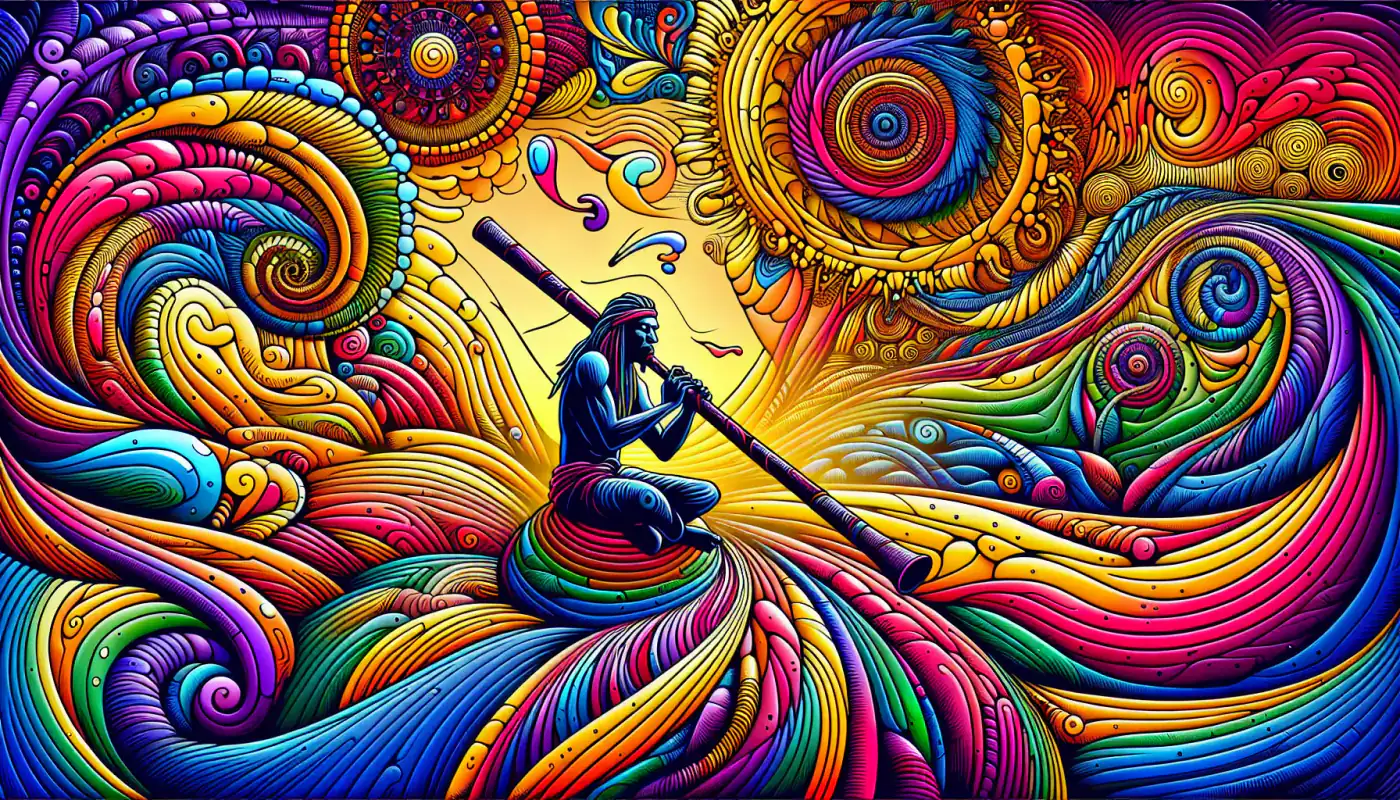
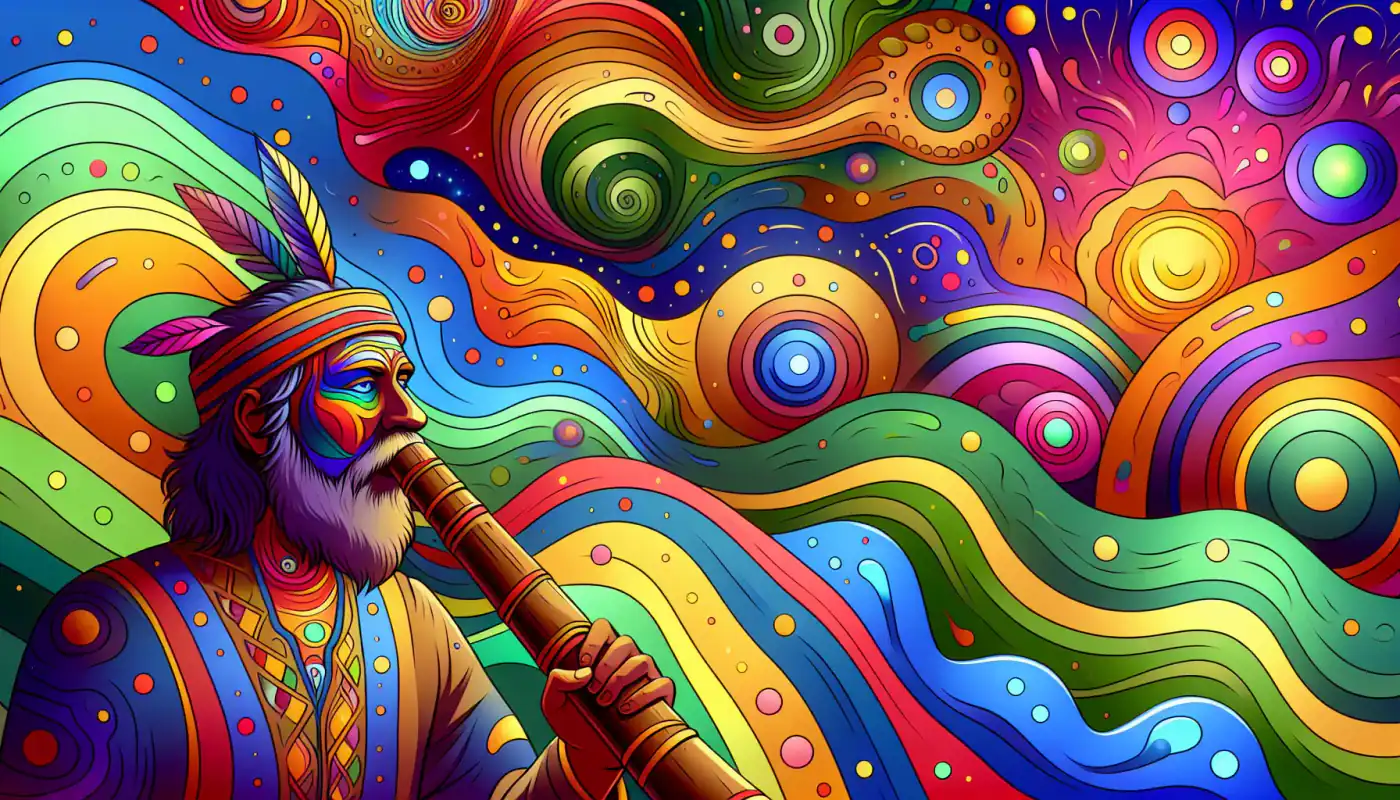
One significant aspect of psytrance music production is the incorporation of traditional instruments and sounds from various cultures. For instance, many producers integrate instruments like the didgeridoo, djembe, or flutes into their tracks. This creates a unique fusion that not only honors these traditional sounds but also infuses the music with a sense of authenticity. When layering these instruments, it is crucial for producers to focus on how they interweave with the electronic elements, maintaining a balance that highlights both the cultural significance of the instruments and the modernity of the psytrance sound.
The choice of samples and loops can also reflect cultural narratives. Utilizing vocal samples from indigenous languages or traditional chants can evoke a specific atmosphere and connect listeners to the cultural backdrop of the sounds. When selecting these samples, producers should consider the context and meaning behind them—ensuring they respect the source culture and accurately represent its nuances within their work.
Another vital component in the impact of culture on psytrance is the themes and motifs that emerge in the lyrics and artwork associated with the genre. Many psytrance tracks and events openly explore themes drawn from spirituality, nature, and transcendental experiences, elements that are deeply rooted in various cultures. For example, the concept of shamanism and its connection to music and healing is often represented in the imagery and narrative structures within psytrance tracks. By exploring these themes, producers not only pay homage to their roots but also provide an experiential layer that enhances the listener’s journey.
Sound design within psytrance takes a unique approach reflecting its cultural influences. Producers often experiment with various synthesis techniques, mirroring the complexity of traditional music structures while employing cutting-edge technology. Using software synthesizers, artists can recreate organic sounds or manipulate digital textures to mimic acoustic instruments reminiscent of diverse musical traditions. This fusion is a testament to the genre’s adaptability, allowing for a spectrum of interpretations that can resonate on both an emotional and cultural level.
Furthermore, live performances play a crucial role in the cultural influence of psytrance. DJ sets and live acts often serve as platforms for cultural exchange, where artists can showcase their musical influences, invite collaboration, and encourage participation from the audience. This communal aspect reflects how psytrance acts as a cultural melting pot, bringing together varied influences and creating a shared space for celebration and unity.
Ultimately, the impact of cultural elements on psytrance music is an intricate tapestry woven through sound, theme, and performance. By embracing these cultural influences, producers can craft music that not only entertains but also educates and connects listeners to a global narrative that transcends borders and celebrates diversity.
The roots of psytrance in cultural traditions
The roots of psytrance are deeply embedded in various cultural traditions, which resonate through its sounds and structures. To comprehend the genesis of this musical genre, one must reflect on its relationship with ancient rituals and communal gatherings, where music served as a medium for transcendence and connection. Traditionally, cultures worldwide have utilized music to facilitate altered states of consciousness, a practice that parallels the experiences sought by many within the psytrance community today.
In many indigenous cultures, the use of repetitive rhythms and trance-inducing melodies forms the backbone of ceremonial music. This technique not only promotes a collective experience but also serves as a conduit for spiritual exploration. For instance, the African and Native American traditions often incorporate drumming in their rituals, which have helped inform the beat-centric nature of psytrance. Producers in the psytrance scene frequently draw upon these percussive elements, utilizing synthesized drum sounds crafted to mimic the complexity and feel of traditional rhythms, thereby creating a bridge between the past and the present.
Furthermore, the incorporation of vocal chants—found in various cultural practices such as the sacred chants of the Tibetan monks—adds another layer of authenticity. When integrated into a psytrance track, these vocal elements not only enrich the sound but also invoke a sense of ancient human experience. Producers must approach this integration with care, ensuring that they respect the roots of the sounds they use. Importantly, understanding the context of these chants can influence their placement and effectiveness in a track, as the emotional resonance they carry can enhance listener engagement.
A significant contributor to the foundational ethos of psytrance is the influence of the Eastern spiritual philosophies, particularly those surrounding meditation and mindfulness practices. These philosophies emphasize a deep connection to sound, which can alter consciousness and perception. Producers often harness this potential by crafting immersive soundscapes characterized by lengthy build-ups and breakdowns that mirror the journey of self-discovery attributed to spiritual practices. The use of nature sounds—such as flowing water or rustling leaves—further enhances this introspective atmosphere, aligning with traditional practices that promote harmony with the environment.
The cultural roots of psytrance are also evident in its visual aesthetic, which often features motifs inspired by various cultural art forms, from Hindu mandalas to mayan glyphs. This visual representation supports the auditory experience, creating an all-encompassing environment that invites participants to engage fully in the psychedelic journey. When designing their events, producers and organizers pay close attention to how these visuals reflect the sounds of the music, ensuring a cohesive and transformative experience for the audience.
Moreover, the global evolution of psytrance can be traced through its adaptation and incorporation of diverse musical styles and techniques, which echo its rich cultural lineage. The dialogue between traditional music and modern production is a dynamic one, where sounds from South America, the Middle East, and Europe intertwine within the psytrance framework. This fusion serves to honor the traditions while pushing the boundaries of innovation in electronic music, ultimately leading to the creation of unique subgenres and regional flavors within the larger psytrance community.
The exploration of these cultural roots not only enriches the music but also fosters a sense of identity and connection among producers and listeners. By tapping into the symbols, sounds, and structures that have existed for centuries, psytrance music production becomes an act of cultural homage, celebrating the interconnectedness of humanity through sound.
Cross-cultural influences in psytrance music
Cross-cultural influences have shaped the landscape of psytrance music in a myriad of ways, enriching its sound and broadening its appeal. By embracing elements from various cultures, producers have created a genre that resonates not only with its original audience but also with listeners around the globe.Musical influence from different regions is apparent in the diverse sonic palettes used in psytrance production. For instance, many producers draw inspiration from traditional African, Indian, and Middle Eastern musical forms, each contributing unique rhythmic structures and melodic styles to the genre. Incorporating traditional drum patterns from these cultures can elevate a track, infusing it with layers of complexity and driving energy. Producers often experiment with layering these traditional rhythms with synthetic beats, creating a fusion that honors the source material while pushing the genre into new territories.
Sampling is another way in which psytrance captures cross-cultural influences. Using samples from traditional songs, chants, or instruments allows producers to connect deeply with cultural narratives. When done respectfully, these samples can create a powerful emotional impact, reflecting the essence of the culture they originate from. For example, integrating vocal snippets from folk traditions or regional chants can evoke specific feelings that resonate with listeners’ experiences. It is crucial, however, that artists approach this practice with an understanding of the cultural significance of the material being used, ensuring that the incorporation is authentic and respectful.
The production techniques used in psytrance also highlight the blend of different cultural sounds. For instance, the use of modular synthesizers to replicate the quirks of traditional instruments, such as the sitar or the oud, showcases how producers bridge the gap between ancient and contemporary musical styles. Synthesis offers tools for artists to experiment, creating innovative sounds that reflect their cultural influences while contributing to the evolving psytrance soundscape. The manipulation of frequency and texture allows for a vast array of colors and tones, mimicking the diverse auditory experiences found in world music.
A notable phenomenon within the psytrance community is the emergence of global collaborations. Artists from different backgrounds come together, bringing their unique perspectives and sounds into the mix. This collaboration fosters a rich exchange of ideas, driving creativity and innovation within the genre. Producers often take part in collaborative tracks, where they blend their individual sonic signatures, resulting in a hybrid sound that captures the spirit of multiple cultures. These partnerships not only result in exciting musical projects but also emphasize the importance of unity and shared experiences within the international psytrance family.
Festivals play a prominent role in cultivating cross-cultural exchanges in psytrance. Events such as Boom Festival, Ozora, and Rainbow Serpent serve as melting pots where artists and fans from diverse backgrounds converge. These gatherings provide platforms for cultural exchange and learning, with attendees exposed to various musical influences that they may not encounter in their day-to-day lives. The environment encourages an appreciation for different cultures through workshops, art installations, and themed stages that reflect a multifaceted approach to creativity. This exposure helps broaden the creative horizons of both artists and fans, fostering a deeper understanding of the cultural richness embedded within the psytrance movement.
In summary, the cross-cultural influences present in psytrance music production are vital to the genre’s identity and evolution. By encompassing sounds, techniques, and narratives from around the world, producers not only expand their musical palettes but also create a more inclusive and reflective sonic experience. This dynamic interplay of musical influence continues to shape the future of psytrance, ensuring that it remains a global phenomenon rooted in cultural diversity.
The role of festivals in shaping cultural identity
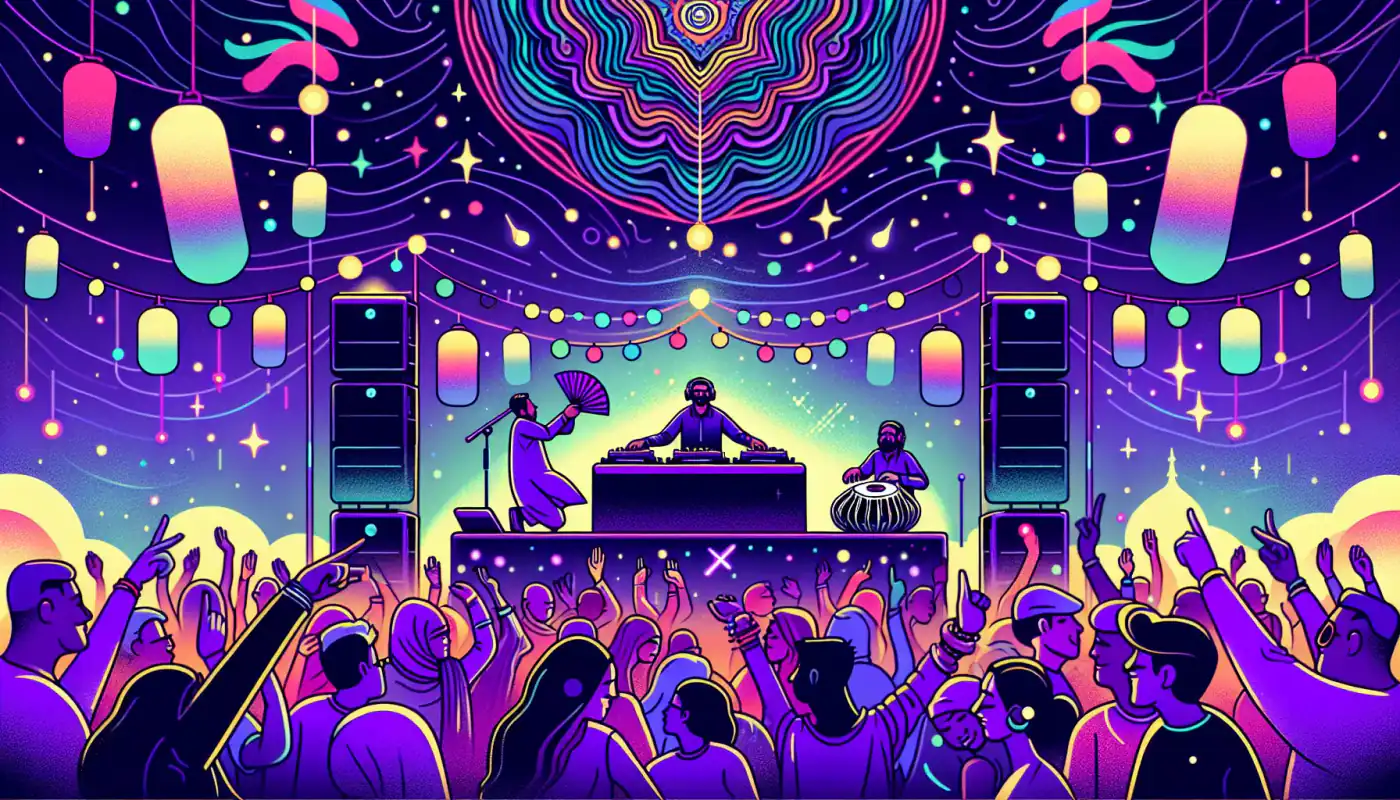
Festivals serve as a crucial nexus in the psytrance scene, significantly shaping cultural identity and reinforcing communal ties through music. These gatherings are much more than mere celebrations; they act as immersive environments where diverse cultural elements converge, creating a unique space for expression and connection. The atmosphere at these festivals is often charged with an energy that transcends individual experiences, fostering a sense of belonging among attendees from various backgrounds.
At the heart of these events is the profound influence of musical diversity. Psytrance music played at festivals draws from a wide array of cultural influences, showcasing not only the traditional sounds but also innovative blends of the genre. DJs and live performers curate their sets to reflect this richness, often weaving in cultural samples and rhythms that resonate with global themes. Each performance becomes a transformative experience, where attendees can engage with psytrance in a communal setting, absorbed in the sounds that reflect their shared discourse.
During these gatherings, the cultural exchange is palpable. Artists often collaborate across various genres, experimenting with sound designs and techniques that fuse their unique backgrounds into a cohesive experience. For instance, a set may feature an Indian tabla player alongside a Western electronic artist crafting ambient soundscapes, creating a sonic tapestry that honors cultural traditions while pushing the boundaries of modern music. This collaboration fosters an atmosphere of creativity and respect, breaking down barriers and promoting a shared understanding of musical influence.
Moreover, festivals provide an opportunity for workshops and educational sessions, allowing attendees to learn more about the cultural contexts of the music they enjoy. Topics may range from traditional dance forms to discussions about the significance of various instruments in their native cultures. This educational aspect enriches the festival experience, fostering awareness and appreciation for the diverse cultural heritage that underpins psytrance. By encouraging dialogue and interaction, festivals help to cultivate a deeper connection to the roots of the music and its associated practices.
Another vital component of festivals is their visual artistry, which blends seamlessly with the music to enhance the overall experience. Elaborate decorations, light shows, and artistic installations often draw inspiration from various cultural motifs, creating a visually stunning landscape that complements the psychedelic auditory journey. Each visual element serves to transport attendees further into the mystical world of psytrance, reinforcing the cultural narratives explored through sound. This holistic integration of music and art creates a more immersive experience, where the boundaries between the audience and the performance blur, uniting everyone in a shared celebration of life and culture.
As a result, festivals become pivotal in shaping not only the cultural identity of the psytrance community but also the global perception of this genre. They empower individuals to embrace their own identities while celebrating the diversity of others, fostering a sense of global solidarity amidst a background of rich cultural tapestries. This process of cultural fusion and acceptance is essential for the ongoing evolution of psytrance, ensuring that it remains a dynamic and impactful force within the wider musical landscape.
Future trends in psytrance and cultural evolution
As we look to the future of psytrance, it is essential to recognize the remarkable innovations that arise from the ongoing interplay of technology and cultural influences. Producers are constantly pushing the boundaries of sound design, seeking new ways to integrate emerging technologies that can transform the production landscape. One notable trend is the increased use of artificial intelligence in music creation. AI-powered tools can analyze existing tracks, suggest improvements, or generate new melodies based on various cultural motifs. This could allow producers to explore even more complex soundscapes that blend traditional sounds with modern electronic elements in ways previously unimagined.
Moreover, the rise of virtual reality (VR) and augmented reality (AR) technologies presents exciting opportunities for psytrance events. Imagine immersive festivals where attendees can don VR headsets to experience live DJ sets that transport them into colorful digital realms shaped by the music’s cultural narratives. These advanced technologies not only enhance the auditory experience but also create multisensory environments where visual art and interactive elements draw from diverse cultural influences. Such environments can elevate the way people engage with psytrance, making each event a unique cultural journey that deepens the listener’s connection to the music.
Social media platforms and streaming services continue to facilitate the dissemination of psytrance. These platforms allow artists from different regions to showcase their work to a global audience, transcending geographical and cultural boundaries. As new producers emerge from various backgrounds, we can anticipate a richer tapestry of sound that reflects their cultural heritage and personal experiences while simultaneously contributing to the global narrative of psytrance. This democratization of music creation means that the genre can evolve in real-time, shaped by a multitude of voices and perspectives.
Moreover, the growing awareness around sustainability and social activism is likely to influence the future of psytrance. Many festivals are beginning to emphasize eco-friendly practices, creating an atmosphere of collective responsibility. This trend aligns with a broader cultural movement towards sustainability and may lead to more conscious production methods, where every aspect of an event is carefully considered. The integration of local artists and themes that honor the land and communities in which festivals take place can foster a deeper connection to both the music and the cultural identity of the event.
Furthermore, as global connectivity becomes increasingly prevalent, it opens up dialogues on cultural appropriation versus appreciation within psytrance. Producers must navigate this landscape with respect, ensuring that the elements they incorporate into their music and performances honor the source cultures. This awareness encourages collaboration and learning rather than simply borrowing sound, paving the way for authentic cultural exchanges that enrich the psytrance experience.
As we look ahead, the evolution of psytrance will undoubtedly continue to be shaped by these diverse influences. By remaining adaptable and responsive to the changes in technology, culture, and community, producers have the opportunity to create music that resonates with both the past and the future, bridging generations and cultures through the universal language of sound.